

SEO is how websites earn a place in search results without paying for it. This guide explains what SEO is, how it works, why it still matters now that AI answers sit at the top of Google, and how to get started, with a worked example you can follow.
What Is SEO?
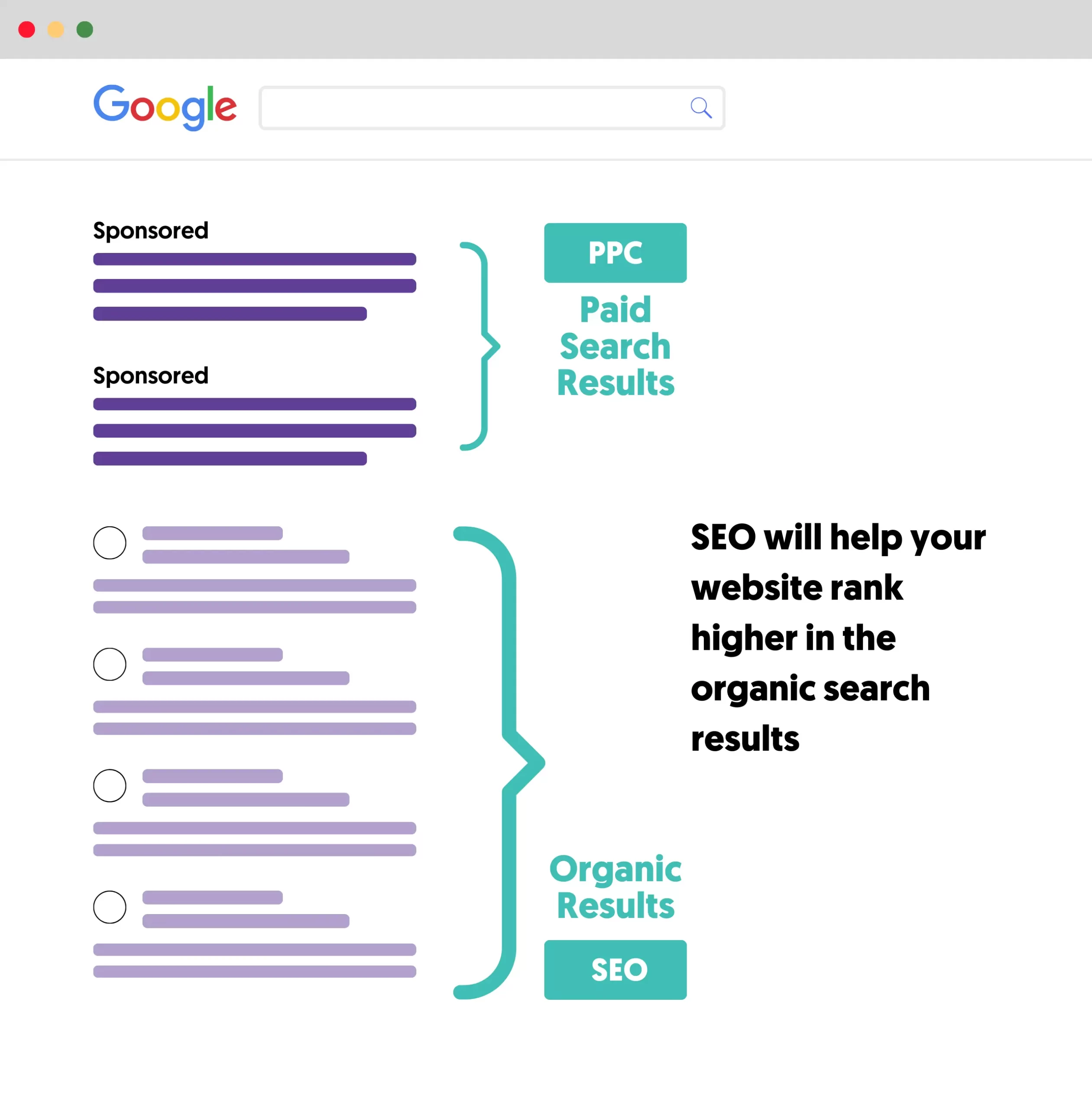
SEO (search engine optimization) is the practice of improving a website so that search engines understand it, trust it, and show it in their organic, unpaid results for searches related to its content. The same work now also decides whether your pages are used as sources in AI-generated answers, such as Google's AI Overviews.
In practice, SEO comes down to three things: publishing content that answers what people are searching for, earning the trust of other websites and users, and making your site easy for search engines to crawl and for people to use.
Why Is SEO Important?
SEO is important because search is still where most people start when they need something, and the traffic it brings is free for every visit once you rank. Paid ads stop the moment you stop paying. A page that ranks keeps bringing visitors for months or years.
Search engines handle billions of searches every day. To get a share of that traffic, your pages need to appear near the top for the searches that matter to your business, because very few people scroll past the first page.
Besides more traffic, SEO is important because:
It Brings Visitors Who Are Already Looking - People who find you through search have typed a question or a need into Google. That makes organic traffic some of the most qualified traffic a website can get.
It Builds Credibility With Users - Users trust search engines, and appearing in the top positions for the searches they make carries some of that trust over to your website.
It Improves the User Experience - Good SEO practices, like fast pages, clear structure and helpful content, make a website better for people, not just for search engines.
It Decides Whether AI Answers Mention You - AI Overviews, AI Mode and AI assistants build their answers from pages that search engines have already crawled, indexed and judged trustworthy. If your site is invisible in search, it is usually invisible in AI answers too.
It Gives Teams a Shared Framework - Websites with more than one author benefit from having common rules and checklists to follow before anything is published.
It Can Put You Ahead of the Competition - If two websites sell the same thing, the one that ranks higher is more likely to get the customers and the sales.
The 3 Core Components of SEO
Every SEO task supports one of three goals. Search engines want to show results that are relevant to the search, that come from a source they can trust, and that they can access and use without problems.
- Relevance - Content that matches what the searcher wants, using the words and phrases they use. This is the job of on-page SEO.
- Authority - Signals that other people trust your site, mainly links from other websites and mentions of your brand. This is the job of off-page SEO.
- Technical structure - A site that loads fast, works on mobile, and can be crawled and indexed without errors. This is the job of technical SEO.
These three components map directly onto the three main types of SEO.
Technical SEO
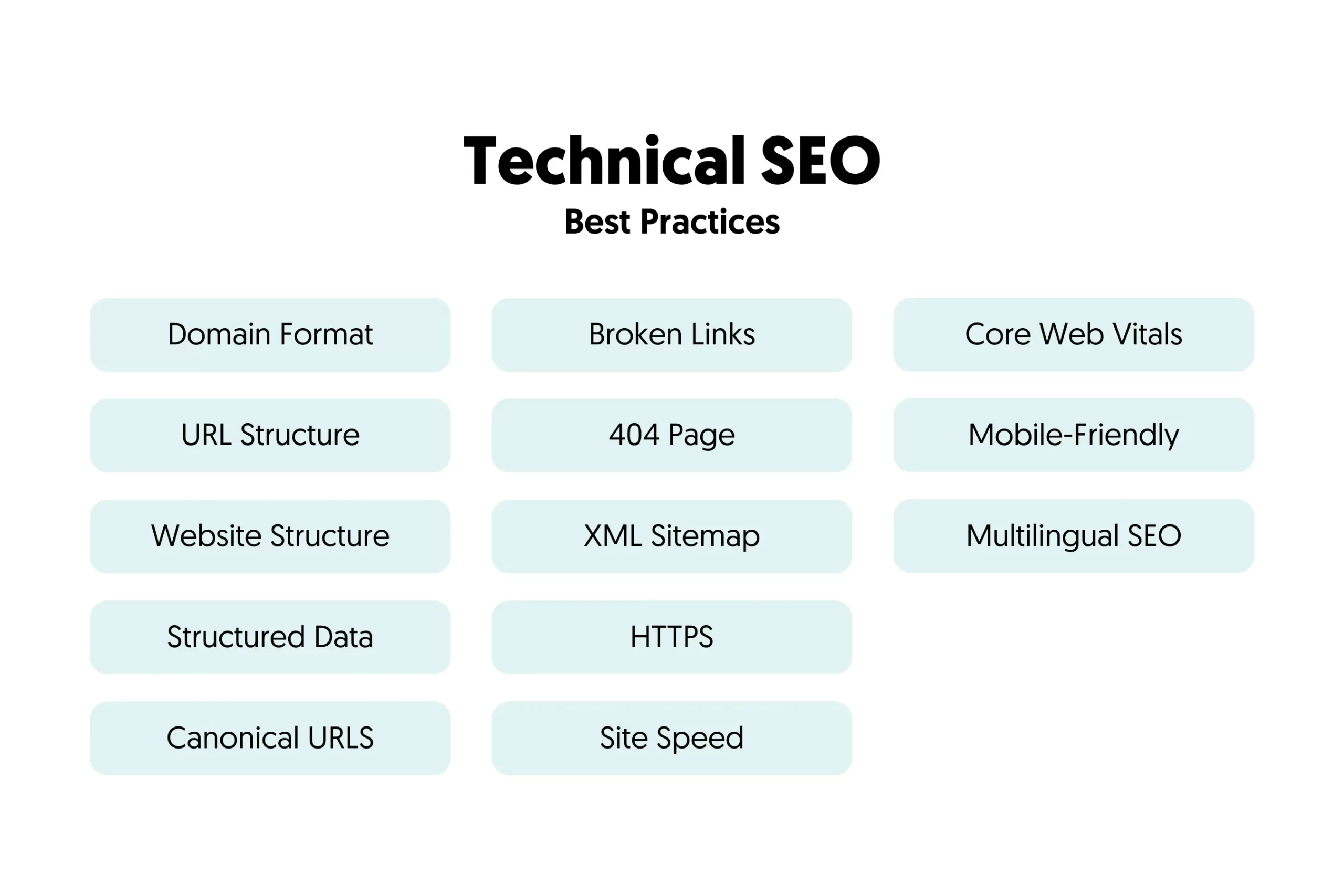
Technical SEO covers the settings that make the job of search engine crawlers easier. If search engines cannot crawl or index a page, nothing else you do to that page matters. Once your technical setup is right, it usually needs maintenance rather than constant work.
The most common technical SEO tasks are:
- Building fast websites that work well on mobile and desktop.
- Organizing your website structure and navigation.
- Using canonical tags to tell search engines which version of a page you prefer.
- Using robots.txt and noindex tags to keep specific pages out of the index.
- Creating and submitting XML sitemaps.
- Using structured data to help search engines understand your content.
- Using Google Search Console to find and fix crawling and indexing errors.
To learn more, consider a technical SEO course (there are free and paid options).
On-Page SEO
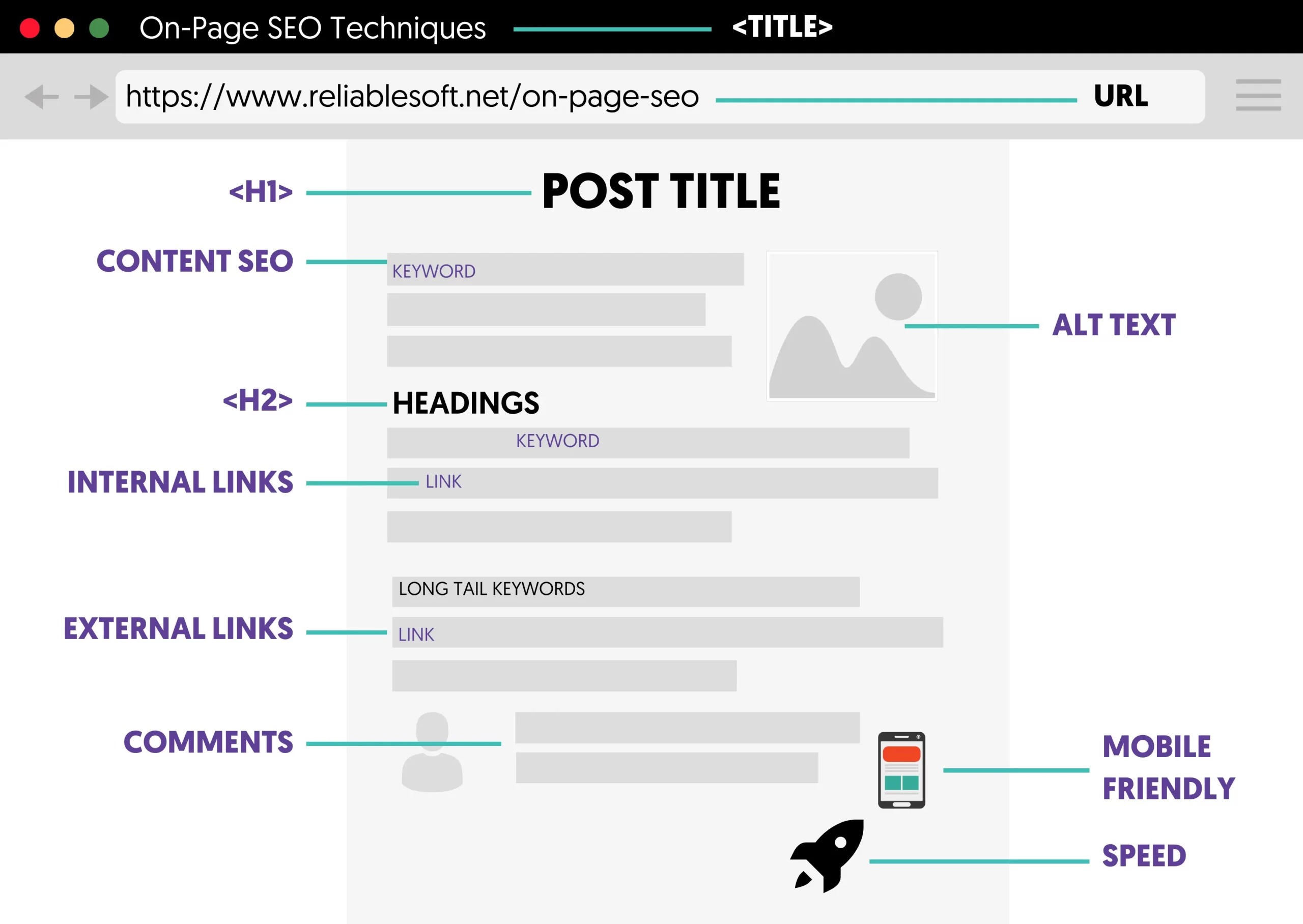
On-page SEO covers the content and the elements on your own pages. Its purpose is to give search engines clear signals about the meaning and context of each page, because search engines do not read a page the way a person does.
The most important on-page SEO factors are:
- Publishing helpful content written for people, not for search engines.
- Optimizing URLs, page titles, meta descriptions and headings.
- Using the words your audience searches for, naturally, throughout the content.
- Optimizing images and other media.
- Adding internal links to related pages and external links to useful sources.
There are many SEO certifications that teach on-page SEO in depth, including The Complete SEO Course by Reliablesoft Academy.
Off-Page SEO
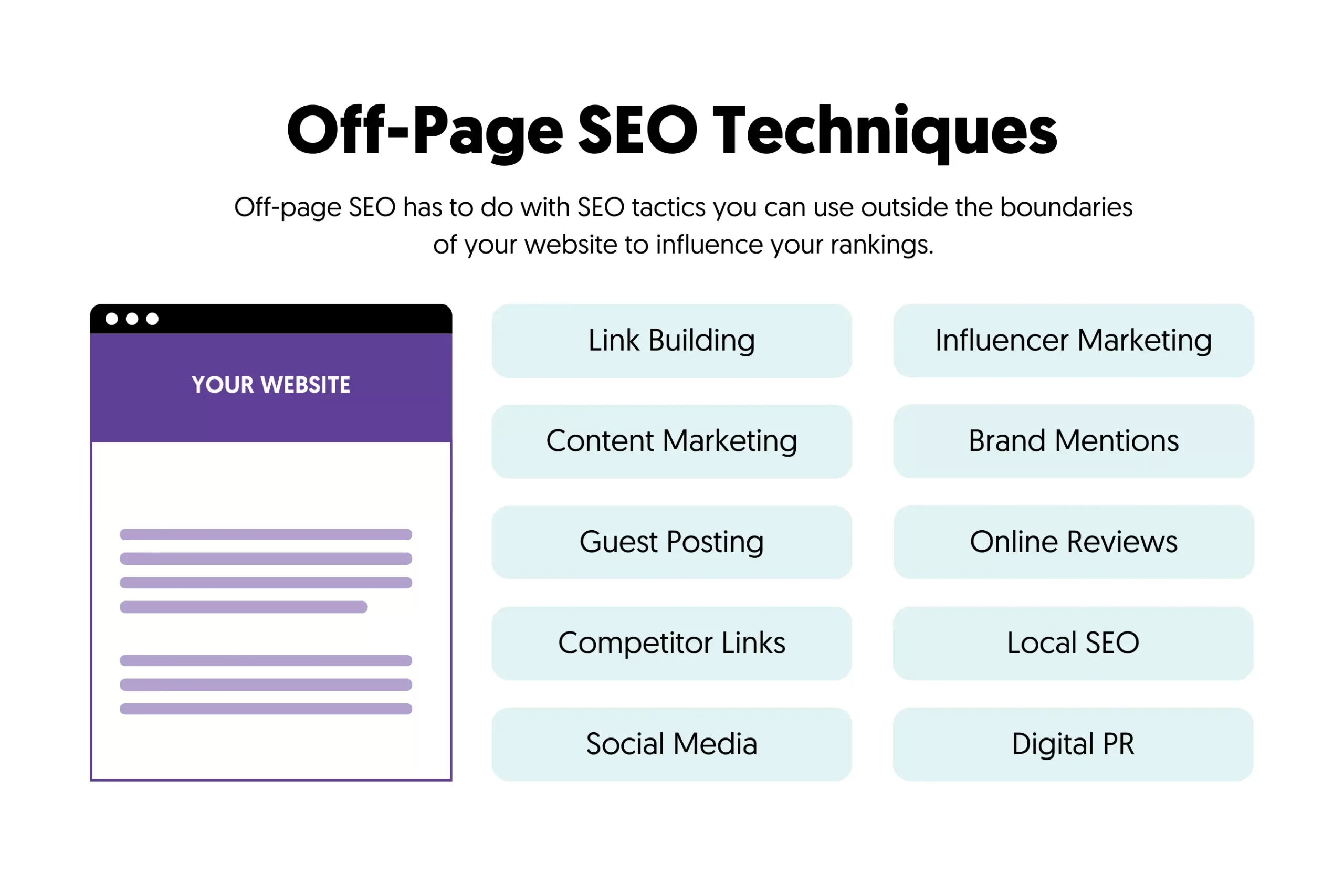
Off-page SEO covers everything that happens outside your website but still affects how search engines judge it. The most effective off-page SEO techniques are:
- Earning high-quality backlinks from relevant, trusted websites.
- Creating content that people want to reference and link to.
- Building brand awareness through social media, PR and partnerships.
Besides the three main types, there are subsets of SEO for specific kinds of websites:
- eCommerce SEO - SEO for online stores, focused on product and category pages.
- Local SEO - SEO for businesses that serve customers in a specific area, including Google Business Profile and map results.
How Does SEO Work?
To understand how SEO works, you first need to understand how search engines work, because SEO is simply the work of making each of their steps go well for your pages.
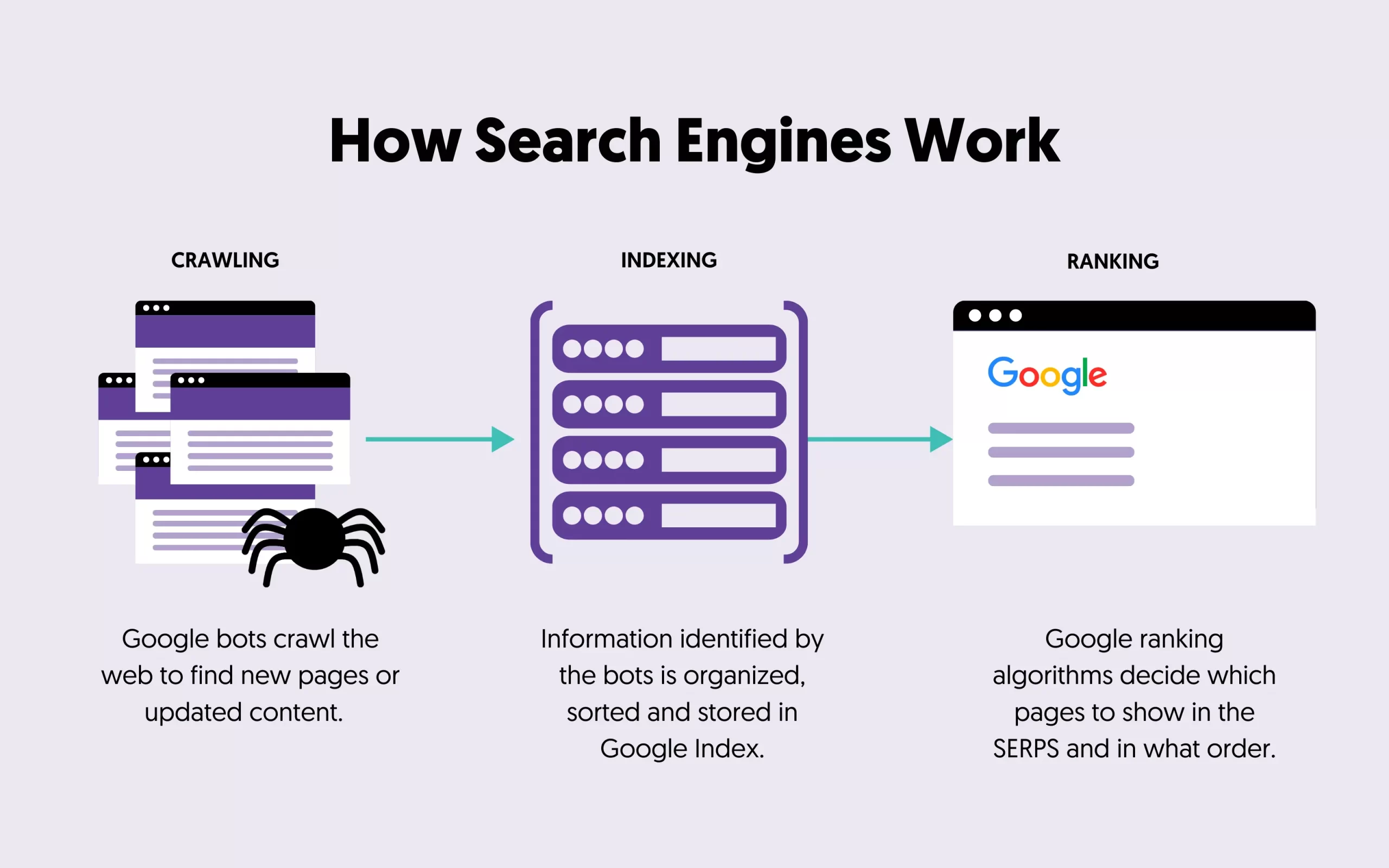
Search engines follow a three-step process:
- Crawling - Automated programs (crawlers or bots) follow links to discover new and updated pages.
- Indexing - The search engine analyzes each page and stores what it learned in its index.
- Ranking - When someone searches, ranking systems sort the indexed pages and show the ones most likely to be helpful for that search.
Technical SEO makes sure your pages get through the first two steps. On-page and off-page SEO decide how well they do in the third.
Google does not publish its full list of ranking factors, but it has documented enough for the most important ones to be clear.
Relevance and Search Intent
The most important factor is how well a page matches what the searcher actually wants, known as search intent. By studying how millions of people search, Google knows what type of content satisfies a particular query.
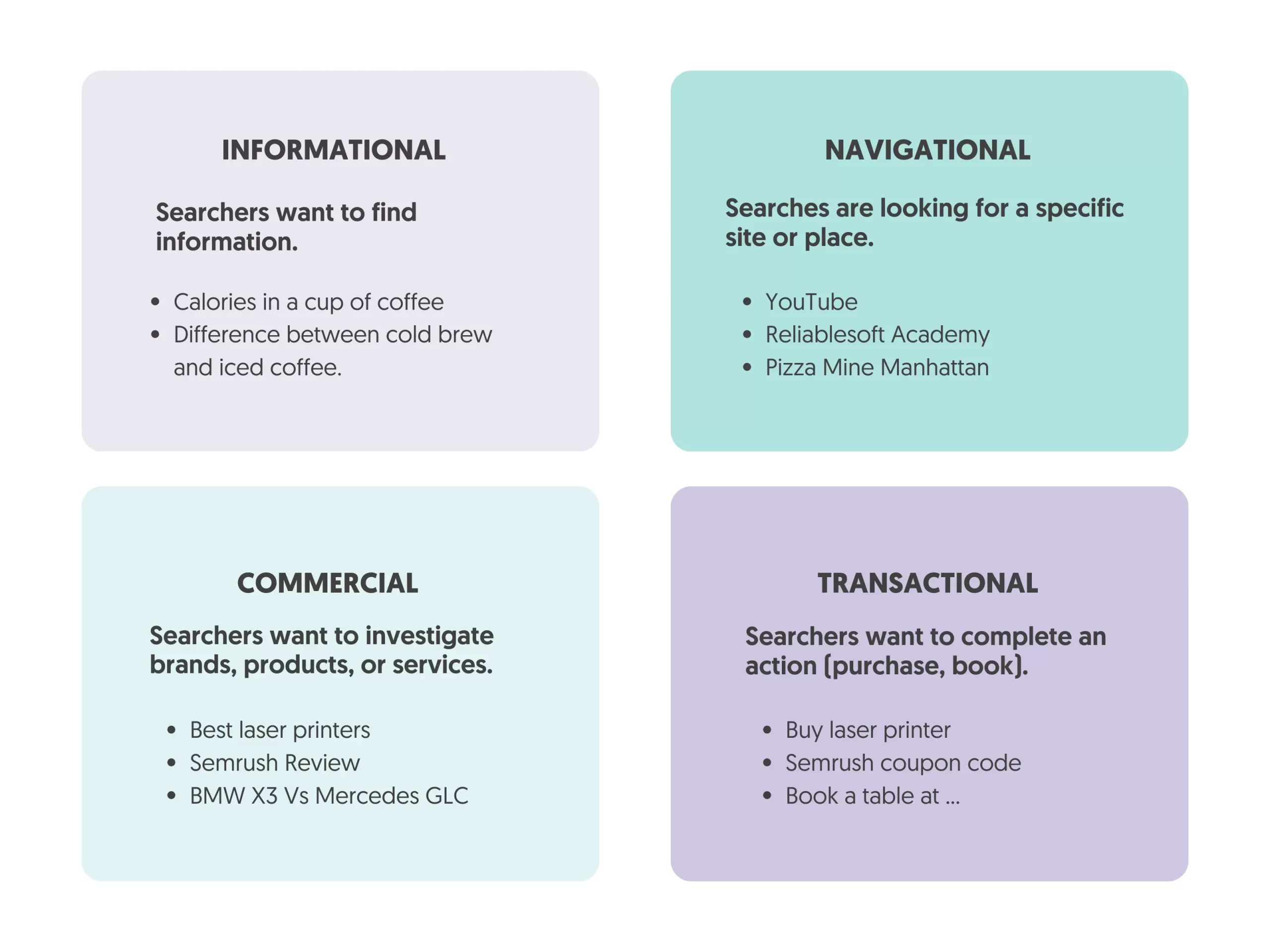
Searches generally fall into four groups:
- Navigational (e.g., “YouTube”)
- Informational (e.g., “calories in black coffee”)
- Commercial (e.g., “best laser printers”)
- Transactional (e.g., “book a table”)
For example, someone searching for "best laser printers" wants to compare printers before buying. A page explaining how laser printers work will not rank for that search, however well it is written.
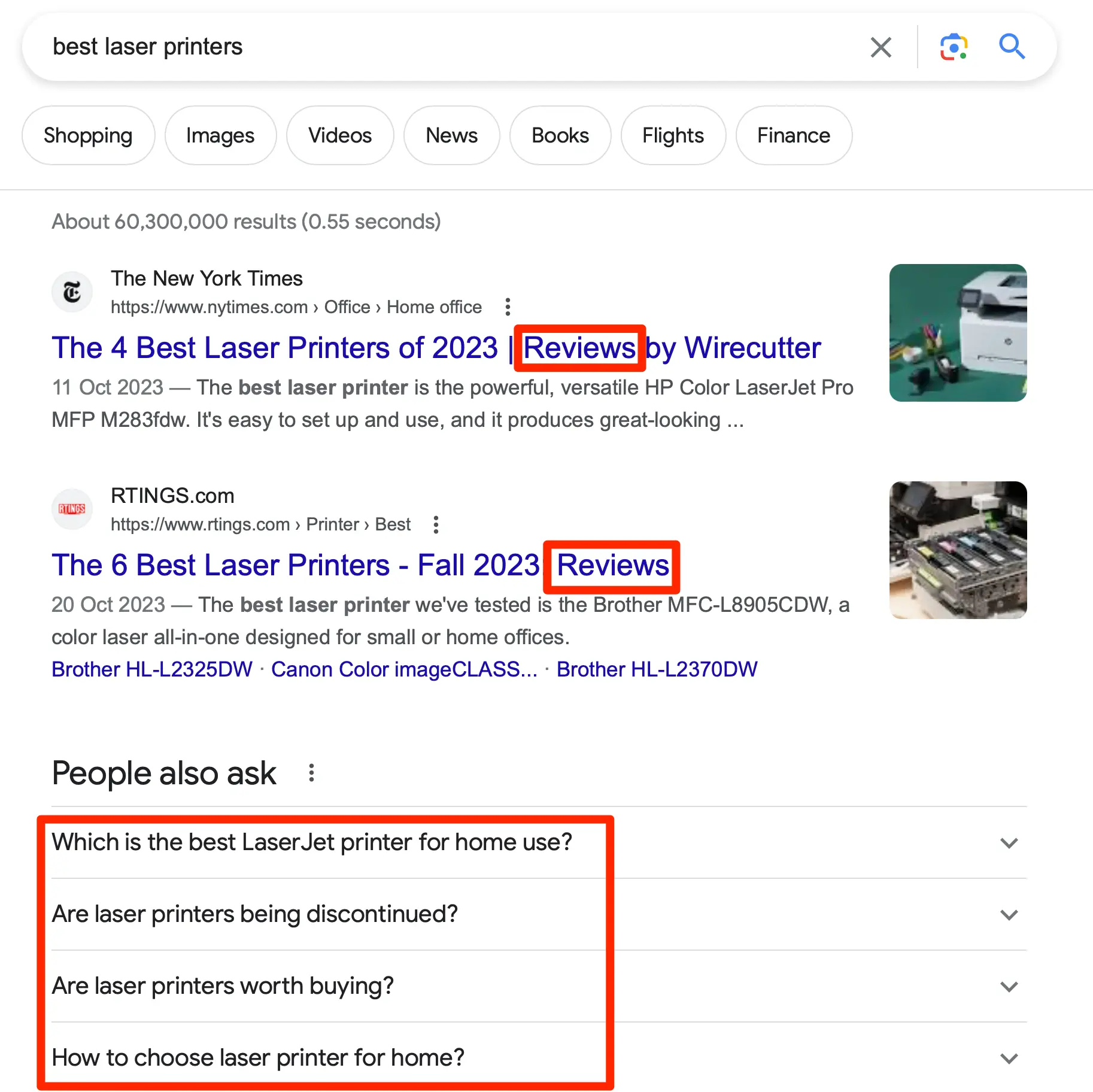
To make your content relevant:
Do keyword research: Keyword research shows you the words and questions people use for a topic, which tells you what to write and how to phrase it.
Look at what already ranks: The pages in the top positions show you what type of content Google has decided fits the search. Match the type, then do a better job of answering the question.
Listen to your readers: Comments, emails and support questions show you exactly what people still need to know. Use them to update your content.
Content Quality and E-E-A-T

Google's systems are designed to reward helpful, reliable content written for people. In SEO terms, high-quality content is:
- Original - written for your site, not copied or lightly rewritten from other pages.
- Accurate - the facts and figures are correct and come from reliable sources.
- Complete - it answers the question fully, so the reader does not have to go back to the search results.
- Better than what already ranks - it does not have to be perfect, but it has to add something the existing results do not.
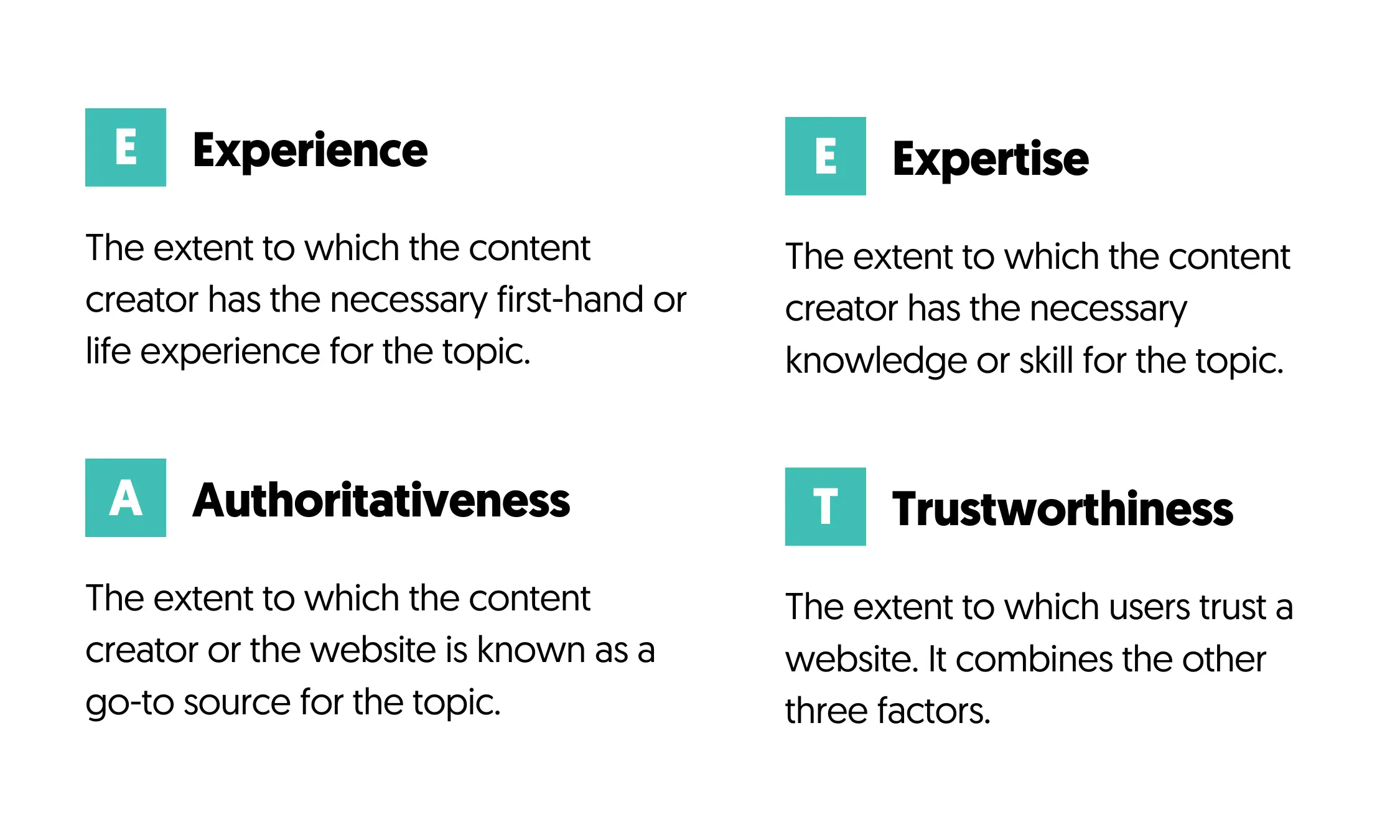
Google also uses the idea of E-E-A-T, which stands for Experience, Expertise, Authoritativeness and Trustworthiness, to describe the kind of content it wants to show:
- Experience - Show first-hand experience with the topic. If you review a product, include your own photos, tests and results.
- Expertise - Show who wrote the content and why they are qualified, with author bios and credentials.
- Authoritativeness - Be a recognized source on the topic, which is mostly earned through links and mentions from other sites.
- Trustworthiness - The most important of the four. Be accurate, transparent about who you are, and secure.
Backlinks and Authority
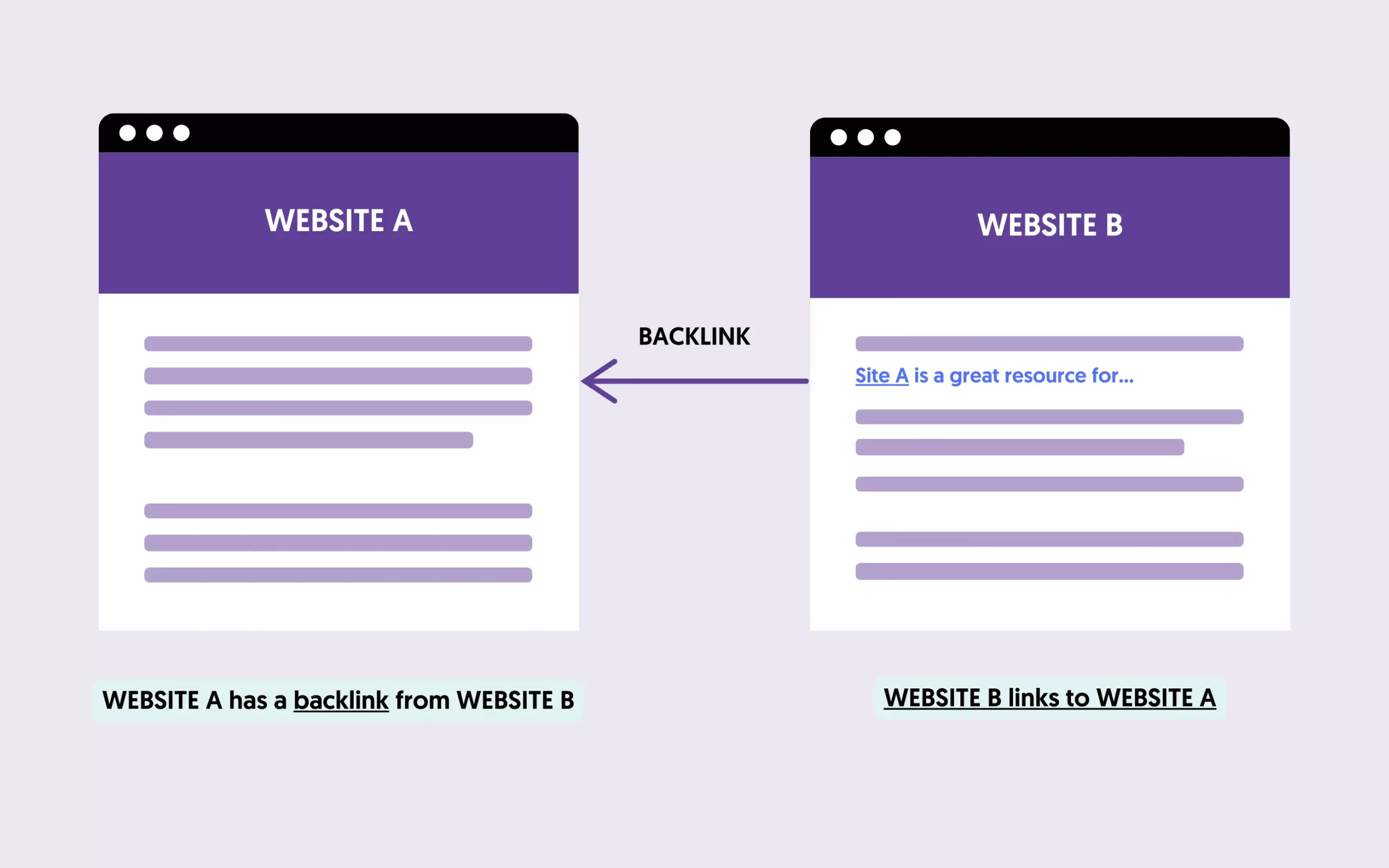
A backlink is a link from another website to yours. Search engines treat links from relevant, trusted sites as a vote of confidence, and they remain one of the strongest ranking signals.
You may see tools report a "domain authority" score. That is a third-party metric that estimates link strength. Google does not use it, but the thing it measures, the quality of the links pointing to your site, does matter.
Links from well-known sites in your field help. Paid links, link exchanges and links from spam sites do not, and they can get a site penalized. The most reliable ways to earn good links are:
- Publishing content worth citing, such as original research, data and case studies.
- Writing for other respected websites in your industry.
- Finding where your competitors get links and earning the same ones with better content.
Page Experience

Google says there is no single page experience signal. Its ranking systems look at a range of signals that together reflect how good a page is to use:
- Core Web Vitals - how fast the main content loads, how quickly the page responds when someone interacts with it, and how stable the layout is while it loads. These are used by Google's ranking systems.
- Mobile-friendly - the page works well on phones.
- HTTPS - the page is served securely.
- Ads - ads do not get in the way of the main content.
- No intrusive interstitials - pop-ups do not cover the content, especially on mobile.
Good page experience will not make a weak page rank, but a poor experience can hold a good page back.
User Interaction Signals
How people interact with search results also matters. Google confirmed during the 2023 US antitrust trial that it uses interaction data, such as which results people click and whether they come back to search again, to improve its rankings.
You cannot control these signals directly, but you can influence them:
- Earn the click - Write titles and meta descriptions that clearly promise what the page delivers.
- Deliver on the promise - Answer the question quickly, near the top of the page, so the visitor does not go back to search.
- Give a next step - Link to related content and include clear calls to action.
SEO and AI Search
Search has changed more in the last two years than in the ten before. Google now shows AI Overviews above the regular results for many searches, AI Mode answers questions in a conversational way, and many people ask tools like ChatGPT instead of searching at all.
This does not replace SEO. It raises the stakes of it:
AI answers are built on the search index. Google states that there are no additional requirements to appear in AI Overviews or AI Mode, and that a page only needs to be indexed and eligible to show in Google Search with a snippet. Its guidance is that all existing SEO fundamentals continue to be worthwhile. The pages cited in AI answers are, for the most part, pages that already do well in search.
Clicks are harder to earn on simple questions. When a search can be answered in two sentences, the AI Overview often answers it, and fewer people click through. Definitions and quick facts lose the most traffic. Comparisons, detailed guides, tools and local services lose the least.
Being cited is a new goal. A mention or link in an AI answer puts your brand in front of the searcher even when they do not click. Content that is clear, specific, well-structured and backed by evidence is easier for AI systems to quote.
What this means in practice:
- Answer the main question clearly in the first lines of the relevant section, then go deeper.
- Use descriptive headings, so each section can stand on its own.
- Add what AI summaries cannot: first-hand experience, original data, worked examples and clear opinions.
- Build your brand beyond your own site, because AI tools draw on what others say about you.
- Measure visibility, not just clicks. You can check your brand's visibility in AI platforms and compare the main AI search engines to see where you appear.
An Example of SEO
Here is how the three components come together for a simple, hypothetical case: a bakery in Austin that wants more orders for custom birthday cakes.
1. Research what customers search for. Keyword research shows people search for "custom birthday cakes Austin", "birthday cake delivery Austin" and "how far in advance to order a birthday cake". The first two are commercial searches. The third is a question.
2. Match the page to the intent. The bakery creates a dedicated custom birthday cakes page with photos of real cakes it has made, prices, sizes, how to order and delivery areas. It answers the lead-time question on the same page and in a short blog post.
3. Optimize the page. The title is "Custom Birthday Cakes in Austin | Order Online", the headings follow the questions customers ask, the images are compressed and have descriptive alt text, and the homepage links to the new page.
4. Fix the technical basics. The site loads quickly on mobile, uses HTTPS, and the new page is in the XML sitemap and indexed in Google Search Console.
5. Build authority. The bakery completes its Google Business Profile, asks happy customers for reviews, and gets listed by a local food blog and a wedding planner it works with.
6. Measure and improve. After a few months, Search Console shows the page ranking in the top 10 for several cake-related searches. The bakery adds a section on dietary options, because people are searching for gluten-free birthday cakes too.
None of these steps is complicated on its own. SEO works when all of them are done, and kept up over time.
SEO vs. PPC
Search engine marketing (SEM) covers both ways of getting traffic from search engines: SEO for unpaid organic results, and PPC (pay-per-click) advertising for the paid results marked "Sponsored". PPC delivers traffic immediately but stops when you stop paying. SEO takes longer but keeps working. Our guide on the difference between SEO and PPC covers when to use each.
How To Get Started With SEO
Can you do SEO yourself? Yes. The basics are learnable by anyone who runs a website, and many small businesses handle their own SEO. What it needs is time and consistency more than technical skill. Hiring help makes sense when the site is large, the market is very competitive, or you do not have the hours to put in.
The best way to learn SEO is to practice it on a real website and watch what happens to your rankings and traffic. A simple plan to start with:
- Set Clear Goals - Decide what you want from SEO, who your audience is, and which searches you want to appear for.
- Start With Keyword Research - Find the words and questions your audience uses.
- Check the Technical Basics - Set up Google Search Console, submit a sitemap and fix any indexing errors.
- Study the Competition - Look at what ranks for your target searches and work out how to do better.
- Create Helpful Content - Publish original content that answers your audience's questions.
- Measure and Adjust - Track your results in Google Search Console and Google Analytics, and update what is not working.
Resources to learn more
- The Complete SEO Course - A complete SEO course covering all aspects of SEO with step-by-step examples and case studies.
- SEO Checklist - A handy checklist to make sure you have optimized every element.
- How to Become an SEO Expert - A guide with resources to stay informed about new developments in SEO.
- SEO Certifications - A list of the best SEO courses to learn SEO and get certified.
- Google SEO Courses - A list of courses specifically on Google SEO.
Introduction to SEO: Video Tutorial
Watch our video tutorial for a quick introduction to SEO, how it works, and why it's an important digital marketing process.
SEO And Digital Marketing
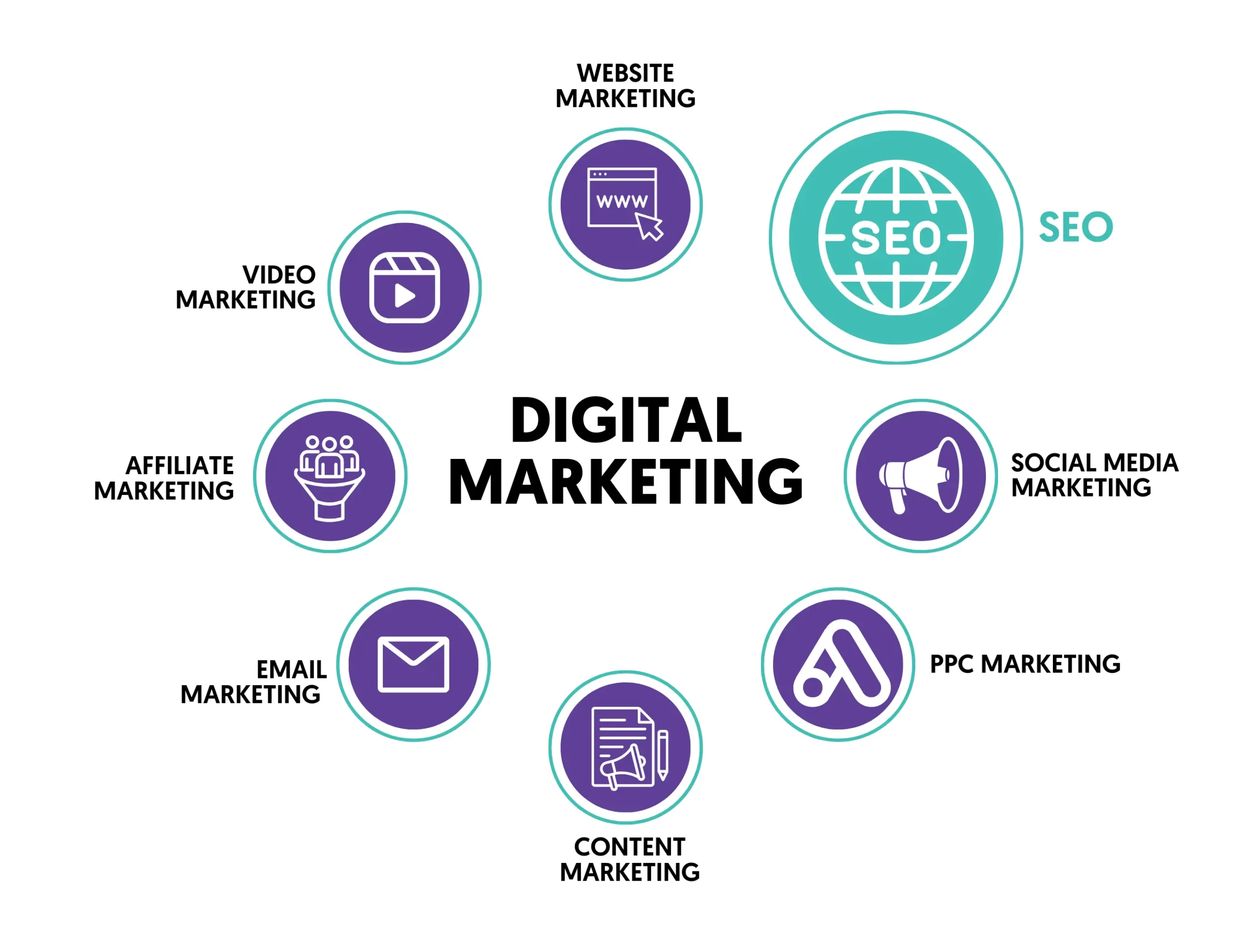
SEO is one channel within digital marketing, alongside social media, PPC, content marketing and email marketing. The channels work best together: content marketing gives SEO something to rank, and SEO gives that content a steady audience.
Conclusion
SEO is the practice of making your website relevant, trusted and technically sound, so that search engines show it to people looking for what you offer. It takes time to work, but the traffic it brings keeps coming without a cost per click.
AI search has changed where answers appear, not what earns a place in them. The same fundamentals decide both: create helpful content (on-page SEO), earn the trust of other sites (off-page SEO), and keep your site easy to crawl and use (technical SEO).