
- What Is Email Marketing?
- How Does Email Marketing Work?
- Email Marketing Types And Examples
- Email Marketing Vs. Digital Marketing
- Email Marketing Advantages
- Email Marketing Disadvantages
- Email Deliverability and Compliance
- How to Set Up Email Marketing (Getting Started)
- Email Marketing FAQ
- Learn More About Email Marketing

Despite the rise of social networks, email marketing is still one of the most effective ways of communicating with your audience. When done correctly, email marketing can help a business increase sales and maximize profits.
In this guide, you’ll learn what email marketing is, how it works, and why it’s a critical digital marketing channel.
What Is Email Marketing?
Email marketing is the digital marketing process of communicating with an audience via electronic mail messages (email). The email messages usually have a commercial intent, but they are also used to educate and inform the recipient on topics of interest. Email marketing is mainly used as a digital sales channel.
Email marketing is not a complicated process, but it requires following the right strategy to communicate with your subscribers in a way that is beneficial for them and for your business goals.
The most important benefits of email marketing are:
- It’s a great way to create a community around your brand.
- It's the best way to build a relationship with your audience.
- It can help you get more leads and make more sales.
- It’s one of the ways to get recurring traffic.
- It's an effective retargeting tool.
- It can be used to increase the ROI from SEO, PPC, and social media marketing campaigns.
How Does Email Marketing Work?
Email marketing works by utilizing the features of an email marketing tool to send targeted, personalized, and relevant messages to an email list. The goal of an email marketing campaign is to increase engagement and drive more sales.
To get good results from email marketing, you must have an email list of people who voluntarily signed up to receive your messages.
This automatically excludes buying email lists or sending emails to people without their permission.
Here is an overview of the steps involved in email marketing:
- Develop an Email Marketing Strategy
- Choose an Email Marketing Software
- Build and Grow an Email List
- Segment Your List
- Setup Email Automation Tasks
- Test And Optimize Campaigns
- Perform Maintenance Tasks
1. Develop an Email Marketing Strategy
The first step of email marketing is to create a strategy. A well-designed strategy will help you use email marketing effectively without spending time and money on tasks not aligned with your overall business goals.
In your strategy, you should include the following:
- Objectives: Define exactly what you want to accomplish with your email marketing campaigns. Typical goals include increasing sales and getting more leads.
- Email Marketing Types: Choose which email marketing types you'll use in your campaigns. The most common types are newsletters, sales emails, and transactional emails.
- Schedule: Determine the frequency (daily, weekly, monthly) and the best time to send your emails.
- Email List: Decide which strategies to use to grow your email list.
- Automation: Decide when to use email automation and what campaigns to automate.
- Costs: Email marketing software can be costly, and it's good to calculate your monthly costs in advance.
- Monitoring and Reporting: Select key performance indicators (KPIs) to track the success of your campaigns. Typical examples include email open rates, click-through rates, and conversion rates.
Check out these email marketing courses for more tips on designing an email marketing strategy.
2. Choose an Email Marketing Software
The second step is to sign up for an email marketing tool. An email marketing platform will help you execute your strategy by leveraging segmentation, targeting, automation, and analytics.
If you try to use your personal account to email hundreds of people and manually keep track of the results, it won’t work, so your first step is to select which platform to use.
An email marketing platform will help you:
- Create an email list.
- Add users to your list using several methods.
- Send emails to your audience.
- Provide reports on how many people open your emails and interact with them (click a link in the email).
- Provide you with different options to segment your audience based on specified criteria.
- Create retargeting audiences on Facebook based on your email list.
- Automate various email marketing tasks, such as sending a welcome email to your subscribers or different emails based on their actions.
- Make sales directly from an email message.
- Create email funnels to redirect users to pages/products/actions you want them to take.
The most popular email marketing tools to consider are:
- Mailchimp: an all-round platform with a free plan for small lists.
- Kit (formerly ConvertKit): built for creators, bloggers, and course sellers.
- Brevo: email plus SMS, priced by emails sent rather than contacts.
- MailerLite: simple and affordable, with a free plan.
- Klaviyo: built for ecommerce stores, with deep Shopify integration.
Most platforms offer a free plan or trial, so you can test one before you commit.
3. Build and Grow an Email List
Email marketing success depends mainly on the quality of your email list. Adding random people who did not register for your emails is the wrong way to build your list.
Growing an email list is tricky, but it can become a valuable asset for your business with the right approach and tools.
The best ways to increase your email subscribers are:
- Publish helpful content on your site: if your content is not what users want, whatever technique you use, it won’t help you get more subscribers. If, on the other hand, your content provides value to users, your email list will grow faster.
- Give them incentives: Free eBooks, trial offers, and other ‘gifts’ are great incentives to deliver to users in return for their email addresses.
- Make it easy to subscribe: Having the position of your signup buttons in places that users can easily spot (on both desktop and mobile) will make a difference to the number of people who can sign up for your emails.
- Don't ask for too much information: The name and email of a person are enough for building an email list.
- Send a welcome email: As soon as somebody registers, it's good to send a welcome email and briefly explain what to expect from your emails.
4. Segment Your List
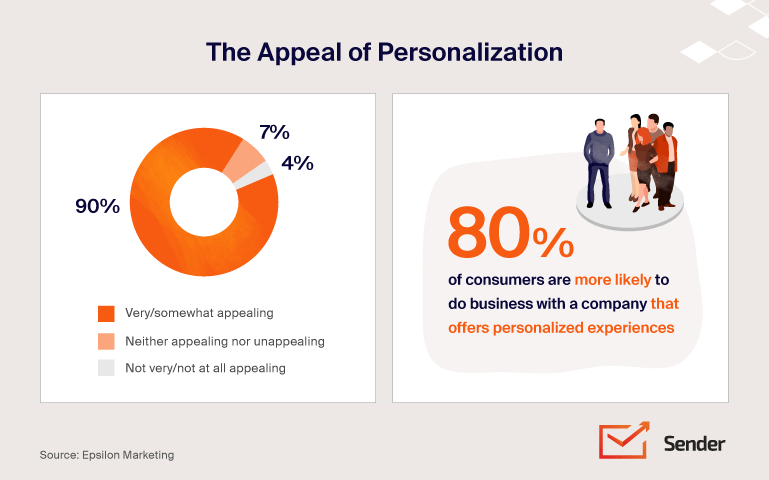
The next step is to segment your email list so that you can send relevant and customized messages to subscribers. This involves dividing your subscribers into smaller groups based on specific criteria. Segmentation is a technique that will lead to better engagement and higher conversion rates.
The most reliable way to segment your list is based on subscriber activity. For example, you can create different segments like:
- Active subscribers: people who regularly open and engage with your emails.
- Buyers: people who have purchased one or more products from your store.
- Inactive subscribers: people who don't engage with your emails (do not open them).
- Interests: group subscribers based on their interests indicated through surveys or interactions with your content.
Don't worry if this is confusing. Your email marketing software will help you segment your list based on several factors, including AI features that analyze subscriber behavior in detail.
5. Setup Email Automation Tasks

One of the biggest benefits of email marketing is that it’s a process that can be fully automated.
When we refer to email marketing automation, we mean sending targeted emails to subscribers based on their actions. Actions are how they interact with your emails or your website.
For example, when a subscriber clicks a link in an email, this can trigger a new customized email.
The most common email automation tasks are:
- Welcome emails: Send a welcome email to users when they subscribe to your list.
- Sales campaigns: Sending them a series of emails (replicating a sales funnel).
- Abandon cart emails: Sending emails to website visitors who added a product to their shopping cart but did not checkout.
- Cross-selling/Upselling: Suggest products to customers based on their purchase history.
- Review/Feedback forms: requesting feedback/reviews from customers X days after they made a purchase.
Email automation is something to configure in your email marketing software. Most modern platforms have visual editors to help you create one or more customer journeys and make the most out of your email list.
6. Test And Optimize Campaigns
Besides having the right type of people subscribed to your list, you need to do a lot of A/B testing to optimize your email marketing campaigns.
A/B testing will help you determine what kind of email messages can generate higher engagement and more conversions. Most platforms now include AI tools that suggest subject lines, pick the best send time for each subscriber, and build segments automatically, but always test their suggestions against your own results.
Things to test with A/B testing include:
- The length of the email subject titles
- The format of the emails (HTML, text, with or without images)
- The length of the email body
- The frequency of sending emails
- The level of promotional messages within the email
- Placement of your signup forms
- The message used in your signup forms
- The ‘offers’ used as incentives for email signup
- The authentication method used to verify the validity of emails (no authentication, double-opt-in)
To perform any kind of A/B testing (not just emails), you need to monitor the right metrics and eliminate any factors that can influence your testing results.
For email marketing, you need to monitor the following metrics:
- Number of new email subscribers per day.
- The exact method they have used to subscribe to your list (if you have multiple placements like sidebar, exit popups, etc.), you need to know which one they used to register.
- Click-through rates (how many people clicked a link in a specific email campaign). Treat open rates with caution: since Apple Mail Privacy Protection launched in 2021, many opens are recorded automatically, so open rates look higher than they really are.
- How many people visited your website from a link in an email?
- How many conversions were generated from email (and from which campaign)?
7. Perform Maintenance Tasks

As a beginner in email marketing, you need to understand three things:
A large percentage of your email subscribers will be inactive: It is normal to have a lot of inactive subscribers on your list. Most people on your list will not read every message you send.
Having a big list is not always the best approach: When most recipients ignore your emails, or some mark them as spam, mailbox providers like Gmail start sending your messages to the spam folder. This means your reach will gradually decrease. On the other hand, emails that most recipients open help the overall campaign performance.
Bigger lists will cost you a lot of money to maintain: As your email list grows, so does the monthly expense, because most platforms charge by the number of contacts or emails sent. Check the pricing page of your platform to see what each list size will cost you.
One of the ways to minimize your costs and increase the healthiness of your list is to occasionally perform a list cleanup and remove inactive subscribers from your list.
Email Marketing Types And Examples
Email marketing has several types. When sending out a campaign, your email message is usually one of the following types:
Newsletters: Subscribers register to receive updates from your website or blog. Example: A weekly newsletter providing blog post updates.
Promotional emails: Emails for the promotion of products or services. Example: An email promoting a company's Black Friday offers.
Sales emails: a series of emails replicating the steps of an email sales funnel. Emails are automated based on the actions performed by the user. Example: An email promoting a specific product. Users who open the email and do not purchase will receive a second email with an offer.
Welcome emails: Send to subscribers as soon as they register. It sets the expectations on what to expect in terms of content, email frequency, etc. Example: A welcome email sent to new blog subscribers.
Transactional emails: Triggered by an action the user performs on your website. Examples: Order confirmation emails, shipping updates, and payment receipts.
Seasonal campaign emails: Emails promoting specific events or holidays. Example: An email promoting products for Valentine's Day.
Abandoned cart emails: Sent to customers who added items to their shopping cart but did not complete checkout. Example: An email with the contents of a cart together with a coupon code for a discount.
Feedback emails: Used to get customer feedback through surveys or reviews. Example: An email asking customers to rate their checkout experience.
To provide an excellent experience to users and increase engagement with your emails, ensure that all types of emails share the same template. Test and optimize your email templates for different devices and email clients.
Email Marketing Vs. Digital Marketing
Email marketing is a type of digital marketing. Other types include SEO, PPC, social media marketing, content marketing, and more.
Email marketing must be part of a digital marketing strategy and not a standalone channel to be used effectively.
For example, you can use SEO and PPC to get traffic to your website and get people to submit a lead form. Then, you can use email marketing to nurture them and turn leads into customers.
Email is proven to be a great selling tool because unlike other channels, it can be personalized.
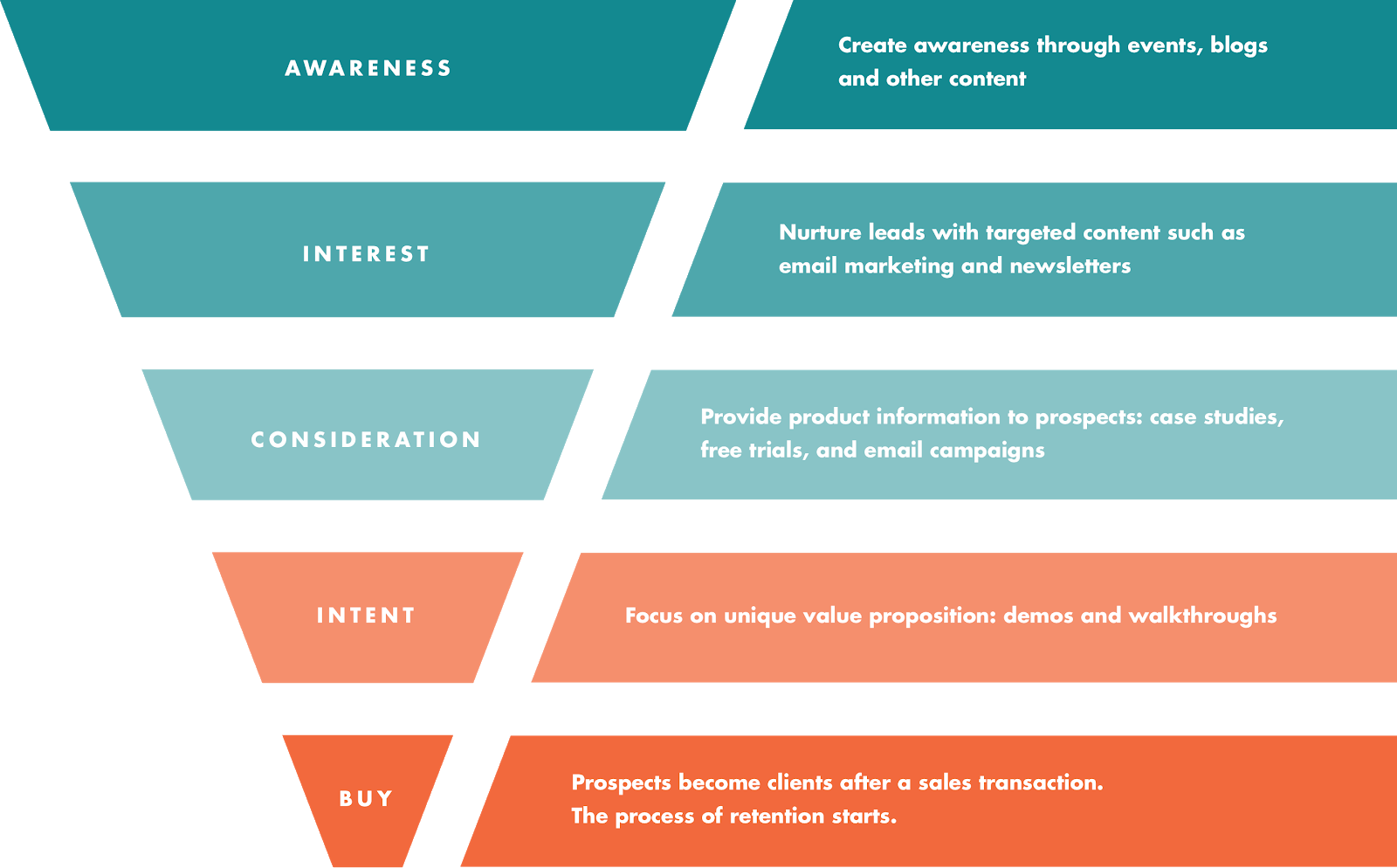
An email sales funnel has different stages and as you travel through the funnel, emails can be customized according to user actions. This level of personalization is one of the reasons email often delivers a better return than paid ads.
Email Marketing Advantages
I’ve mentioned many times above that email marketing is important for your business. Let’s see below the reasons why.
Email is one of the most widely used communication tools: According to the Radicati Group, there were over 4.4 billion email users worldwide in 2024, a number expected to pass 4.9 billion by 2028.
You ‘own’ your audience: Your email list is an asset for your company, and you don’t have to share this with anyone, you own it. Unlike your Facebook or X followers, who are owned by those platforms.
You can communicate directly with your subscribers: Email marketing offers a direct communication channel between your company and your audience. Emails can be heavily personalized to initiate a one-to-one conversation with potential clients.
Users voluntarily register to receive email messages: When users register to your list, they trust your business and want to receive emails from you. From a business perspective, you can nurture them so they will eventually perform an action that generates value for your business.
Email marketing has a high ROI: According to Litmus, email marketing returns an average of $36 for every $1 spent.
Email marketing can be automated: One of the beautiful aspects of email marketing is that it can be fully automated. The whole process can be fully automated from when a user subscribes to your list to when they purchase from your store.
Performance can be measured quickly and accurately: Another characteristic of email marketing is that everything can be accurately measured. Knowing exactly how much it costs to run a campaign and the revenue made can help you maximize your profit.
It’s a great survey tool: Email marketing can also be used to survey your community and get answers to help you create better content, products, and services. We use this technique to get user feedback to fine-tune our products and services and understand what users want regarding content.
Increases the value of your online business: If you want to increase the value of your online business for resale purposes (or other reasons), having a targeted email list and optimized email campaigns can make a big difference in the amount you can get.
Email Marketing Disadvantages
The main drawbacks of email marketing are:
Cost: as explained above, as your list grows, you'll have to pay more to use email marketing platforms. The cost is calculated based on the number of subscribers and the number of emails sent.
Fake or temporary emails: some people use fake or temporary emails to sign up for a list to access an offer. This is a huge problem because it increases costs and damages your spam score.
Spam: You must use tools to protect your list from spam accounts automated by bots.
Reputation: some people will mark your emails as spam, negatively impacting your sender's reputation. You need to monitor your reputation and adhere to compliance and regulations constantly. This requires expert knowledge, and it can be costly.
Results take time: Your results grow with the size and engagement of your list. People receive many emails daily, and standing out from the crowd is challenging, so expect small numbers at first. A small list of engaged subscribers can still make sales if you send them useful, relevant emails.
Email Deliverability and Compliance
Deliverability is whether your emails reach the inbox or land in spam. Since 2024, Gmail and Yahoo have required bulk senders to follow stricter rules, so getting the basics right matters even for small lists.
Follow these rules to keep your emails out of the spam folder and stay within the law:
- Authenticate your domain: Set up SPF, DKIM, and DMARC records for the domain you send from. Your email platform gives you the exact records to add.
- Make it easy to unsubscribe: Include a one-click unsubscribe link in every marketing email and remove people who unsubscribe right away.
- Keep spam complaints low: Google’s sender guidelines ask senders to keep their spam rate below 0.3%. Only email people who asked to hear from you.
- Get permission: Laws like CAN-SPAM in the US and GDPR in the EU set rules for consent, sender identification, and unsubscribing. Never buy email lists.
- Clean your list: Remove addresses that bounce and subscribers who haven’t engaged in months.
How to Set Up Email Marketing (Getting Started)
Email marketing is essential for all kinds of businesses. If you have a website and don’t have an email list yet, this should be number one on your to-do list.
Email marketing will not help you increase your traffic like SEO or PPC advertising, but it can help you make more sales and grow your revenue.
The whole process may seem complicated if you're a beginner, but it doesn’t have to be this way.
- Start by registering with an email marketing platform and creating your list. Initially, you don’t have to worry about costs because most platforms offer free plans for small lists.
- Authenticate your sending domain (SPF, DKIM, and DMARC) using the instructions your platform gives you.
- Then, add email sign-up forms on your website to start gathering emails. If your traffic is low, you won’t get as many emails, but it’s a start. As your traffic grows, your email list will grow as well.
- Set up a welcome message to thank your subscribers for trusting you with their email addresses and explain what to expect from your emails.
- Once you get more experienced and learn more about email marketing, create a few campaigns and monitor the results.
Don’t be afraid to test your ideas, but try not to spam your users with many messages.
Email Marketing FAQ
Is email marketing still worth it?
Yes. Email lets you reach people who asked to hear from you, without depending on social media algorithms, and it remains one of the highest-return marketing channels.
Is email marketing easy to learn?
The basics are easy: you can set up a platform, a signup form, and a welcome email in an afternoon. Getting good at segmentation, automation, copywriting, and deliverability takes practice.
How do you make money with email marketing?
By selling your own products or services, promoting affiliate products, or running paid newsletters and sponsorships. In every case, the money comes from sending useful emails to an engaged list.
How much does email marketing cost?
You can start for free, since most platforms have free plans for small lists. Costs rise as your list grows, because pricing is usually based on the number of contacts or emails sent.