

- What is Influencer Marketing?
- How Does Influencer Marketing Work?
- What Are The Benefits and Drawbacks of Influencer Marketing?
- What Are The Different Types of Influencers?
- How Do Influencers Get Paid?
- Examples of Successful Influencer Marketing Campaigns
- How to Create an Influencer Marketing Strategy
- Conclusion
- FAQ
- Related Guides

Influencer marketing is when a brand partners with social media creators to promote its products or services to their followers. It works because people trust recommendations from creators they follow more than they trust ads: the brand pays the influencer (with a fee, free products, or a commission on sales), the influencer creates content in their own style, and the brand tracks the results with links, discount codes and engagement.
In this post, you’ll learn what influencer marketing is, how it works, the different types of influencers, how influencers get paid, real campaign examples, and how to develop a successful strategy.
What is Influencer Marketing?
Influencer marketing is a marketing process involving hiring influencers to promote or recommend products to their online audience.
Influencer marketing adapts a relatively old concept for a new generation of buyers. The original roots of influencer marketing were when companies sought the endorsement and support of celebrities to capture new customers.
Influencer marketing today also uses endorsements and product mentions from well-known and popular individuals but focuses primarily on digital channels.
Influencer marketing works because of the high trust specific influencers have developed with their following.
Recommendations from influencers serve as a form of social proof, driving new customers to your products and elevating your brand status.
Importance of Influencer Marketing
Demand for influencer marketing has grown significantly in recent years as consumers have become less trusting of traditional ads.

According to Statista, the global influencer marketing market reached a record of about $33 billion in 2025, more than three times its size in 2020.
Yet many brands still don't use it. In HubSpot's State of Marketing report, only 21.2% of brands said they use influencer marketing, although those that do report particularly strong returns in B2C.
What is an Influencer?
An influencer is anyone who can affect others' purchasing decisions. They have significant authority in their industry and are considered " thought leaders” on a specific topic, such as fashion, beauty, or healthcare.
Influencers use their position in the market, knowledge, and relationship with their audience to enhance the credibility of other brands.
In the past, influencer marketing was dominated by celebrities such as musical artists, athletes, and famous public figures. Today, influencers come in a range of sizes and types and work across social media channels like YouTube and TikTok.
How Does Influencer Marketing Work?
Influencer marketing involves collaborating between businesses and individuals who already have a strong online presence and a connection with a specific target audience.
Brands work with influencers by paying them to produce content that captures consumers' attention and drives leads to a specific store, product, or service.
Influencer content includes everything from sponsored posts mentioning a product to reviews and even videos and images that feature a particular product.

Fundamentally, the steps involved in an influencer collaboration include:
- Identifying an audience: Selecting a specific “ideal customer” to reach with an influencer marketing campaign. Brands need to understand their customers’ goals and pain points, which social platforms they use, and who they follow online.
- Choosing social media platforms: Influencers work across various platforms, from YouTube to Instagram. The right platform for your business will depend on which channels your consumers use most frequently.
- Researching and finding influencers: Determine what type of influencer you want to work with (macro, micro, nano, etc.) and choose someone who can effectively promote your brand’s values to the right target audience.
- Selecting campaign goals: Setting specific goals for influencer campaigns, such as increasing brand awareness, improving traffic to a website, or increasing sales, helps companies determine which metrics to monitor during campaigns.
- Monitoring campaign performance: Assessing everything from website traffic to increased follower counts on social media, engagement metrics, and improvements to your brand reputation.
What Are The Benefits and Drawbacks of Influencer Marketing?
Compared to traditional marketing, influencer campaigns can build trust with your target audience and extend your reach quickly. They also come with risks you need to manage.
Benefits
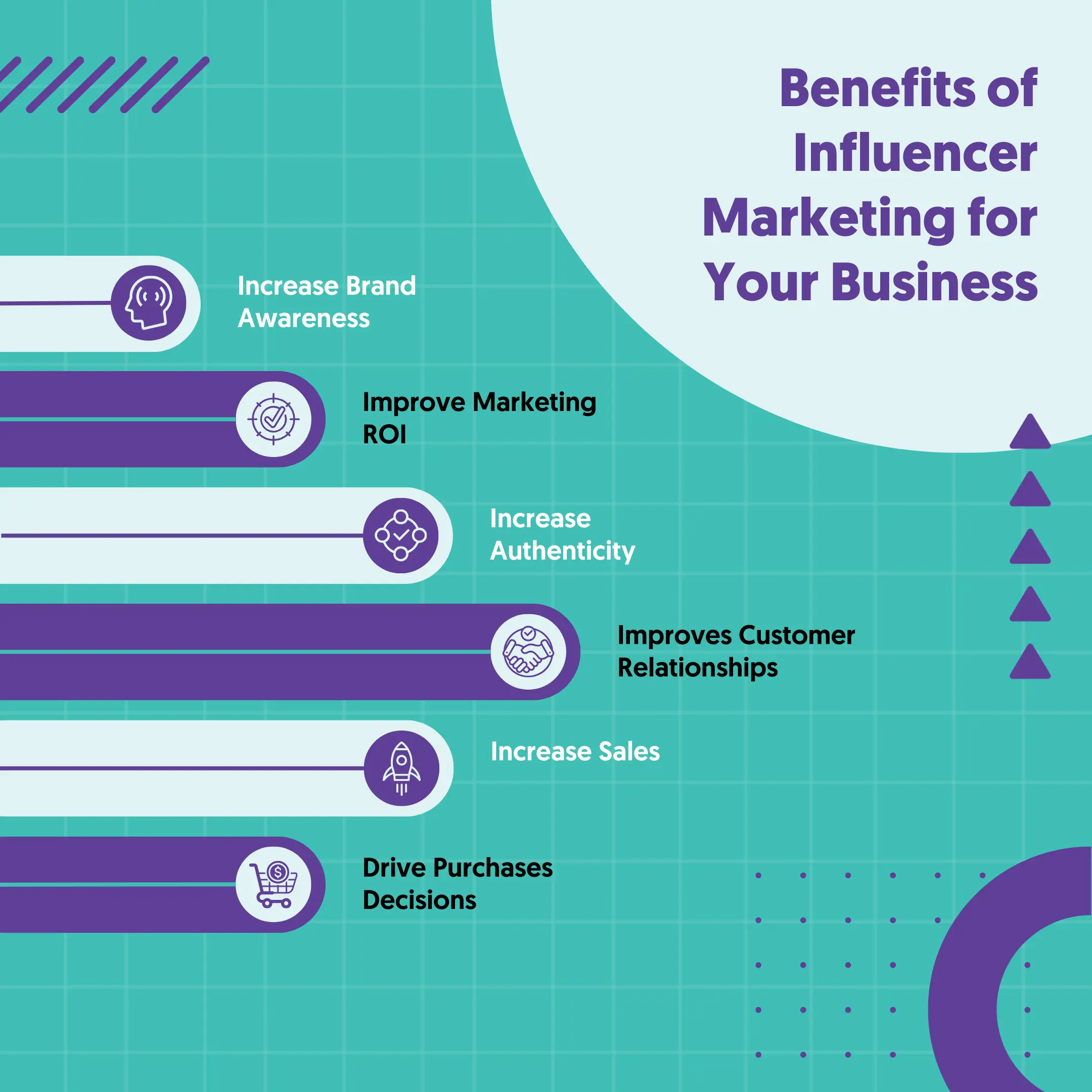
- Increase sales: Recommendations from creators people follow can move them from discovery to purchase, especially with a discount code or a direct link.
- Strong returns in B2C: HubSpot's research found influencer marketing drives particularly strong ROI for business-to-consumer brands.
- Trust and social proof: A recommendation from a trusted creator feels more authentic than a brand's own ad.
- Brand awareness: Influencers put your brand in front of an engaged audience that already matches your ideal customer.
- Content you can reuse: Creator videos and photos can be used in your own ads and social media, with the creator's permission.
Drawbacks
- Cost: Large influencers charge high fees, and costs rise with audience size and demand.
- Fake followers and engagement: Some accounts buy followers or likes, so check engagement quality before you pay.
- Less control: The influencer creates the content in their own style, so it may not say exactly what you'd say.
- Brand safety: An influencer's past or future behavior can reflect on your brand.
- Hard-to-measure awareness: Sales from links and codes are easy to track, but the effect on brand awareness is harder to measure.
What Are The Different Types of Influencers?
Influencers are usually grouped by the number of followers they have. Each tier suits different goals and budgets:
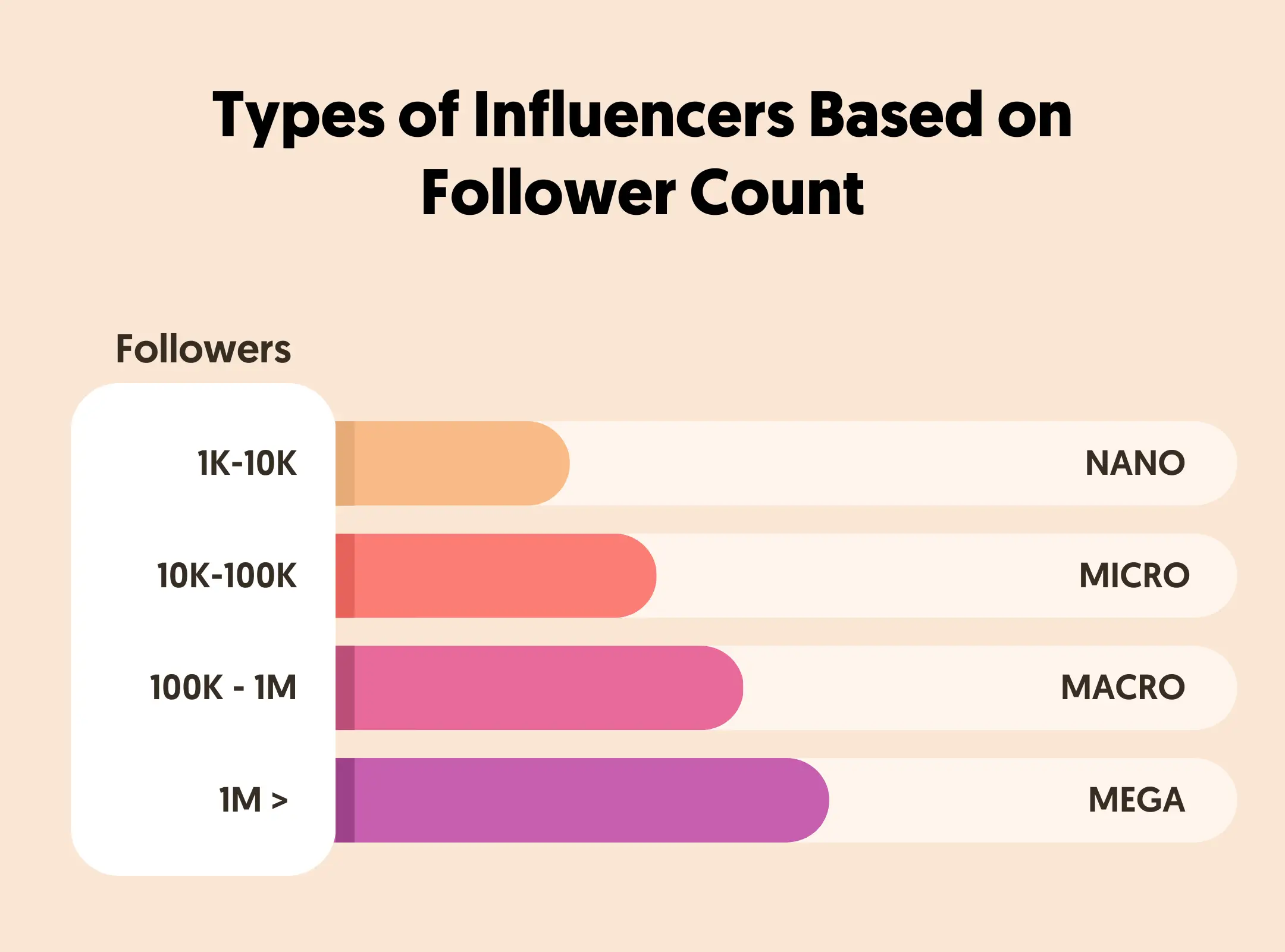
| Type | Followers | Best for | Examples |
|---|---|---|---|
| Nano influencers | Under 10,000 | Local and niche audiences, small budgets, close relationships with followers | Local food bloggers, hobby creators |
| Micro-influencers | 10,000 to 100,000 | Engaged niche audiences at a reasonable cost | Niche fitness, beauty or tech creators |
| Macro influencers | 100,000 to 1 million | Reach with authority in a specific industry | Well-known YouTubers and Instagram creators in a niche |
| Mega or celebrity influencers | More than 1 million | Mass brand awareness | Cristiano Ronaldo, Kim Kardashian, MrBeast |
Mega or celebrity influencers
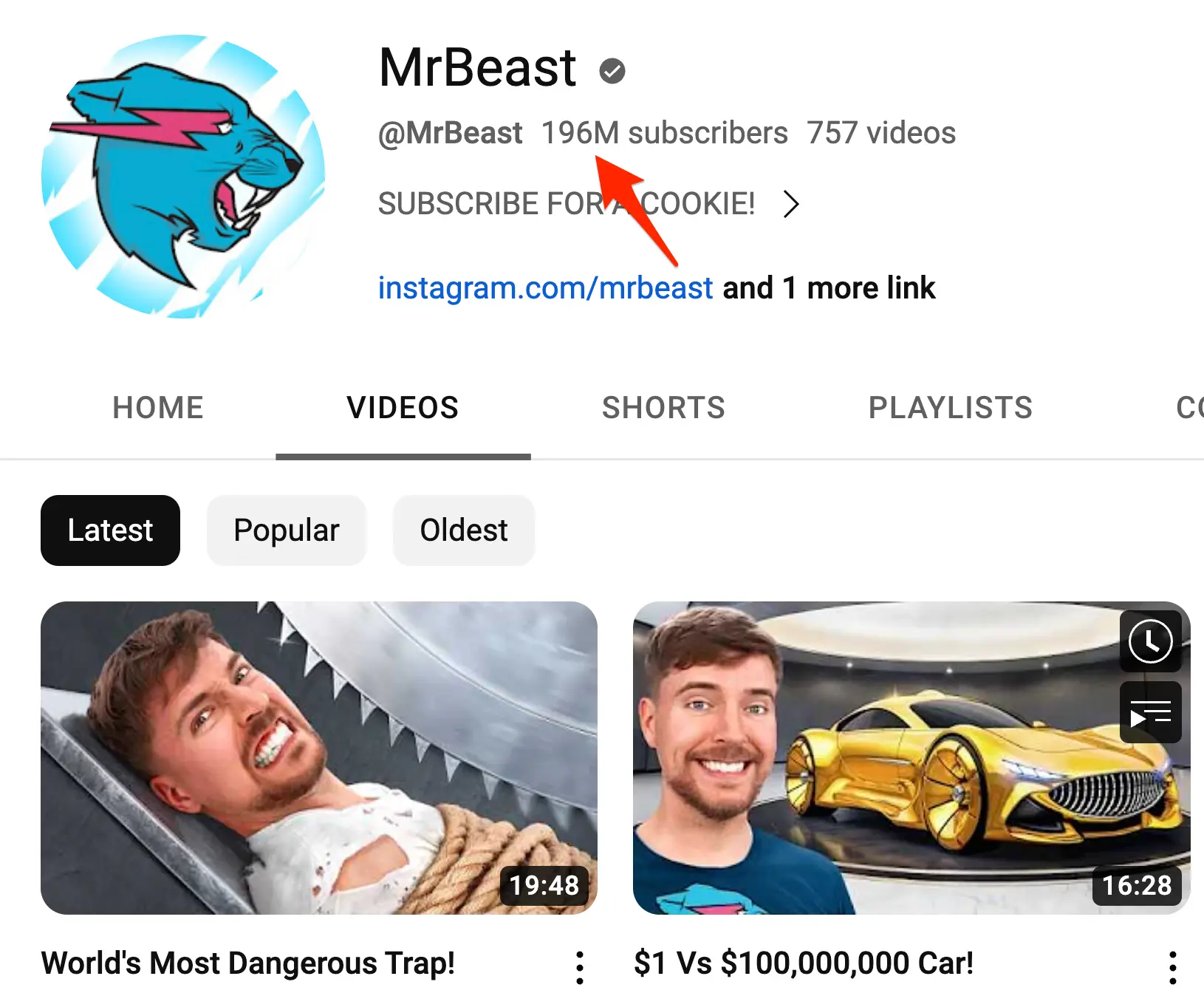
Mega influencers, or celebrities, have more than 1 million followers. Examples include Kim Kardashian, Cristiano Ronaldo, and YouTube stars like MrBeast. Their celebrity status gives them access to a huge audience.
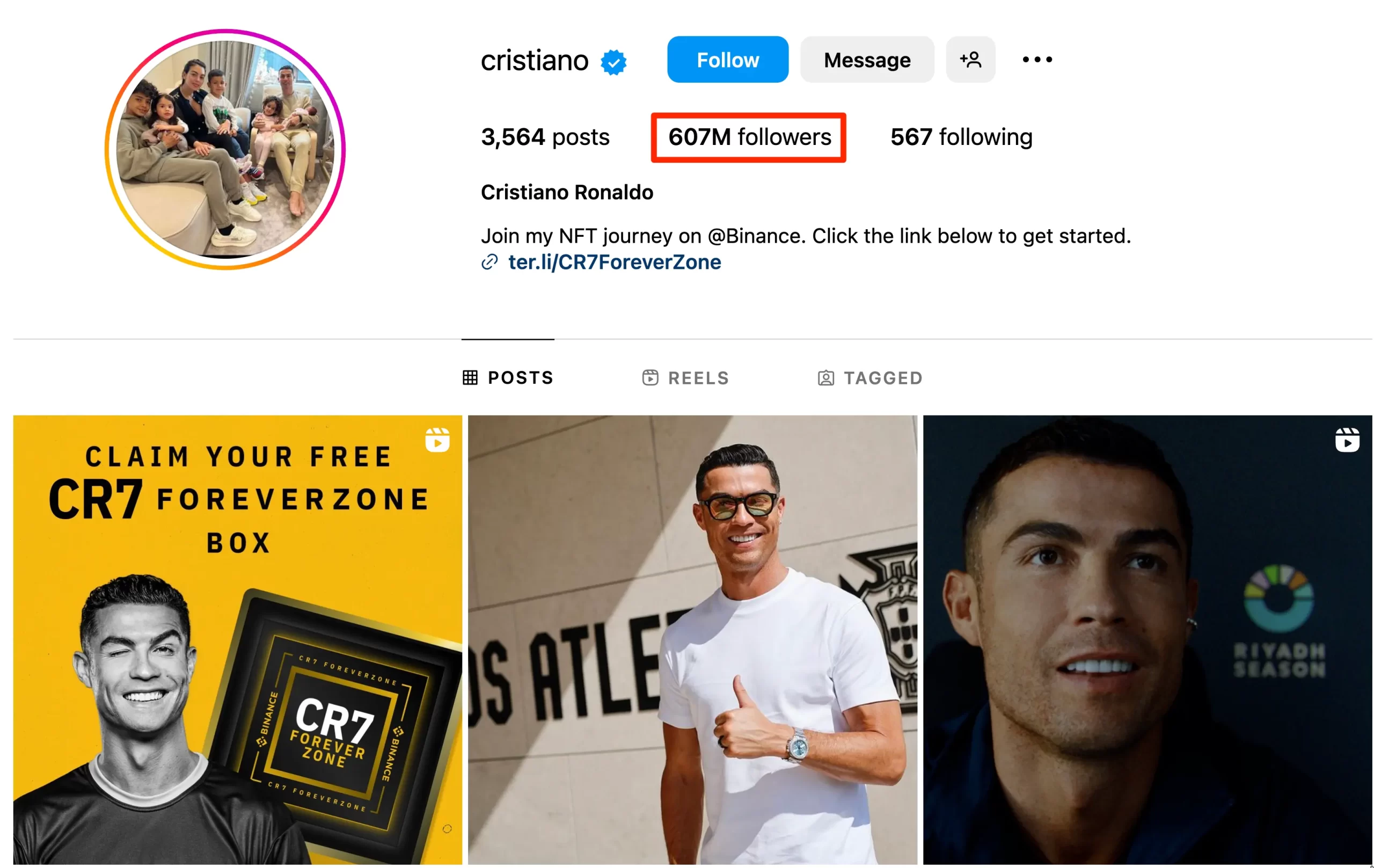
This makes mega influencers excellent for increasing brand exposure and boosting brand awareness. However, partnering with them can be extremely expensive, and their broad following makes it harder to target a specific niche.
Macro influencers
Macro influencers usually have between 100,000 and 1 million followers. Though not traditional celebrities, they are highly authoritative in their industry, create high-quality content for their audience, and are seen as thought leaders in their niche. They offer a more targeted approach than celebrities, but they can still be expensive to work with.
Micro-influencers
Micro-influencers generally have between 10,000 and 100,000 engaged followers and a strong presence on one or two platforms, such as Instagram, TikTok or YouTube. They focus on a specific niche with genuine interactions and creative content, and they are usually cheaper to work with than macro or mega influencers. In HubSpot's research, more brands reported success with micro-influencers (32.4%) than with macro (30.2%) or mega influencers (13.1%).
Nano influencers
Nano influencers have fewer than 10,000 followers. They connect with a very specific, often local audience through personal content, which is why their followers tend to trust their recommendations. They are the most affordable option, and many work in exchange for free products.
How Do Influencers Get Paid?
Influencers are paid in several ways, and many campaigns combine them:
- Flat fee per post or video: The most common model. The fee depends on the influencer's audience size, engagement, platform and the type of content.
- Free products (gifting): Common with nano and micro-influencers, who may promote a product they receive for free.
- Affiliate commission: The influencer earns a percentage of each sale made through their unique link or discount code, so you only pay for results. This works like affiliate marketing.
- Long-term ambassador deals: A monthly or yearly fee for ongoing content, which builds more trust than one-off posts.
- Usage rights: An extra fee to reuse the influencer's content in your own ads.
Rates vary widely. Agree on the payment model, deliverables, deadlines and usage rights in writing before the campaign starts.
Examples of Successful Influencer Marketing Campaigns
Here are three influencer campaigns with published results, all from TikTok for Business case studies.
BMW
To promote its plug-in hybrid BMW eDRIVE in South Korea, BMW worked with K-pop musician and TikTok creator Henry on its “e-ideal Vibe” campaign. Henry remixed the Imagine Dragons song “Thunder” using only sounds from the car, such as tapping the hood and plugging in the charger.
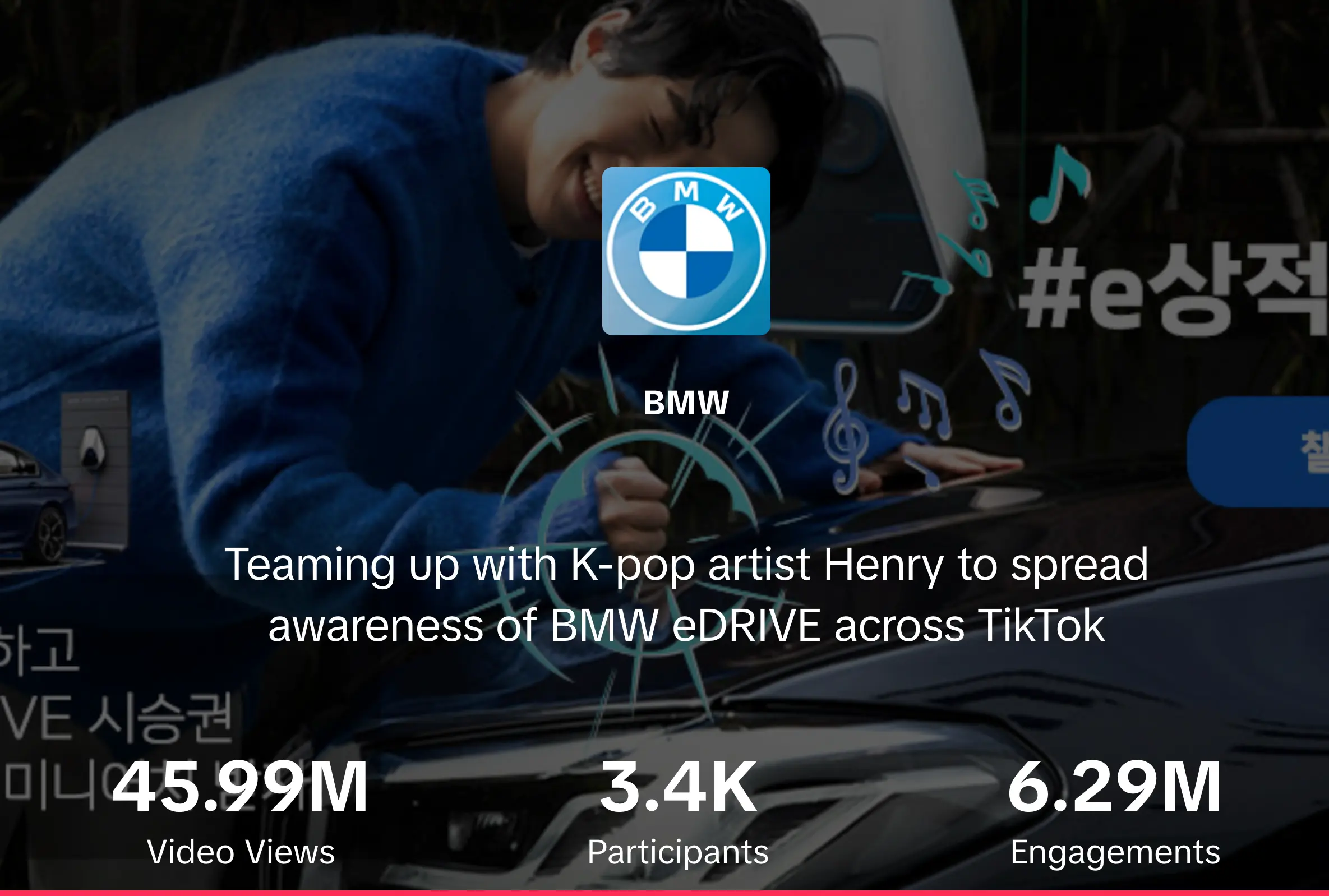
The remix became the basis of the #BMWeDRIVE branded hashtag challenge. Henry and five other TikTok creators invited users to make their own videos with the sound, supported by BMW's paid ads on TikTok. Over six days, the campaign attracted 45.99 million video views from 3,400 participants and drove 6.29 million engagements.
Virgin Voyages
Virgin Voyages invited more than 1,000 nano, micro, macro and VIP creators on a single cruise, its “Creator Voyage”, and asked them to share their experience on TikTok with #SailingWithVirgin and #SailWithVirgin. The brand secured 180 days of usage rights to the creator videos, so it could promote the best-performing ones as ads.
The campaign produced more than 22.7 million video views and over 3,200 TikTok posts about the voyage. It shows how combining many smaller creators with a few larger ones can reach many different audiences at a lower cost.
BARMER
German health insurer BARMER used TikTok creators, many of them Gen Z, to promote a free online mental health first aid course for young adults. Creators explained the topic in native formats such as POV videos, and BARMER promoted the best-performing organic videos with paid ads.
The campaign generated more than 99 million views, 329,167 link clicks and more than 23,262 course registrations, and BARMER recorded a 23% increase in young insured members compared with the previous year.
How to Create an Influencer Marketing Strategy
Now you know what influencer marketing is, how it works, and why it’s so valuable, it’s time to start creating your own campaigns.
Here are the key steps in building an influencer marketing strategy that drives results.
- Set Realistic Campaign Goals
- Identify Your Target Market
- Choose the Right Influencers
- Agree on How Influencers Will Promote Your Products
- Create Dedicated Landing Pages
- Launch The Campaign
- Analyze Campaign Results and Measure ROI
1. Set Realistic Campaign Goals
Establishing clear goals is the first step in developing any successful marketing campaign. It’s important to determine what “success” will look like for your campaign.
For instance, do you want to drive brand awareness, increase website traffic, or boost sales? The goals you choose will form the basis of your strategy.
For example, product placements might be ideal for driving awareness, while promotional campaigns featuring unique coupon codes from influencers might help increase sales.
Crucially, your influencer marketing goals should be realistic and “SMART”.
Defining realistic goals means being reasonable about what you can expect to achieve. Even if your influencer has millions of followers, not every consumer will necessarily be interested in buying your product or service.
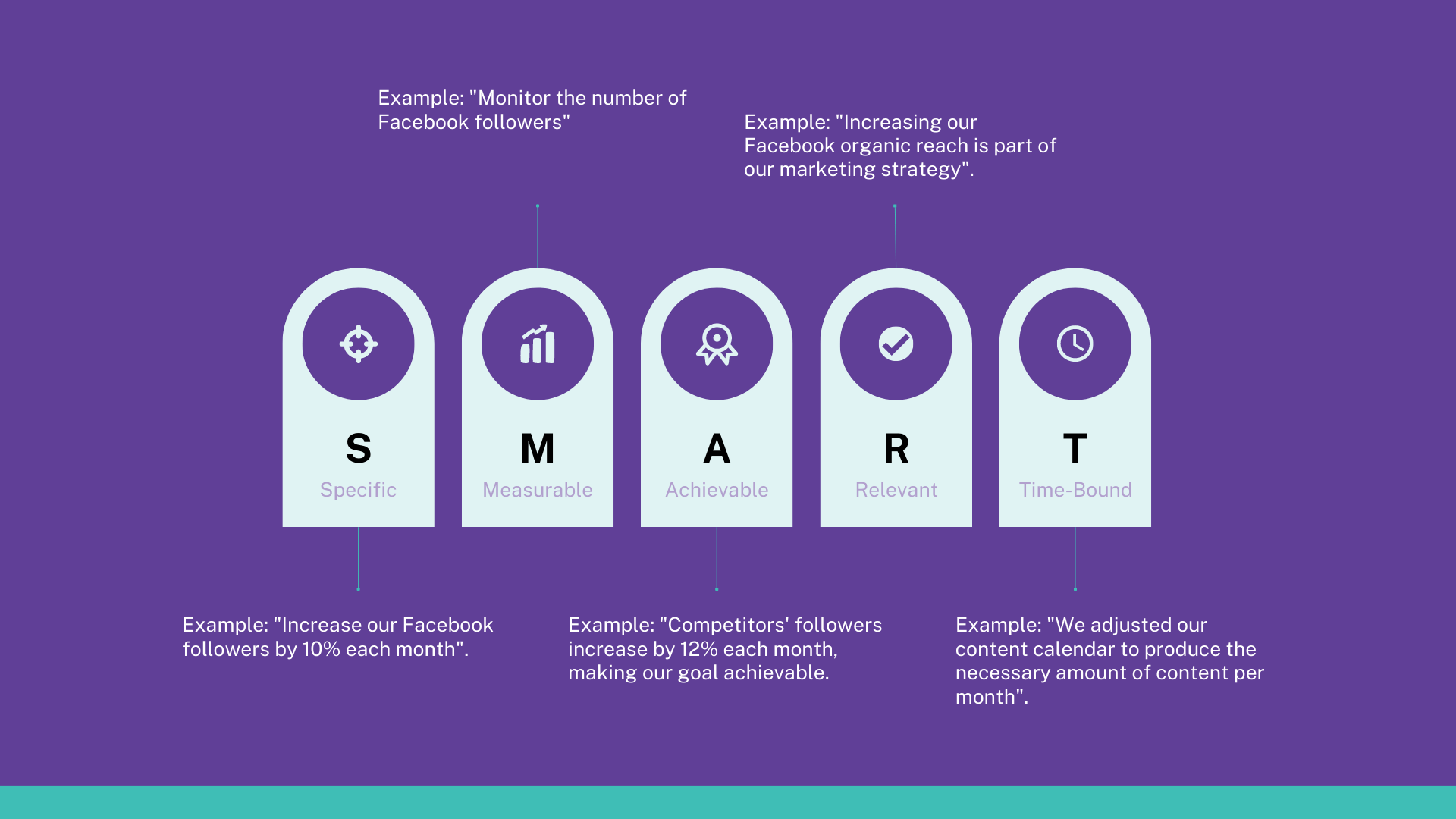
Setting SMART goals means ensuring your targets are Specific, Measurable, Attainable, Relevant, and Time-Bound. In other words, rather than just saying you want to increase traffic, you might set a SMART goal like:
“We want to boost traffic on our [specific product] page by 20% in the next 3 months, using influencer marketing product placements, reviews, and recommendations.”
2. Identify Your Target Market
Next, defining who you want to reach with your marketing campaigns is crucial. Every product or service has a distinct “ideal audience”, comprised of people who have challenges you can solve, or goals you can help them achieve.
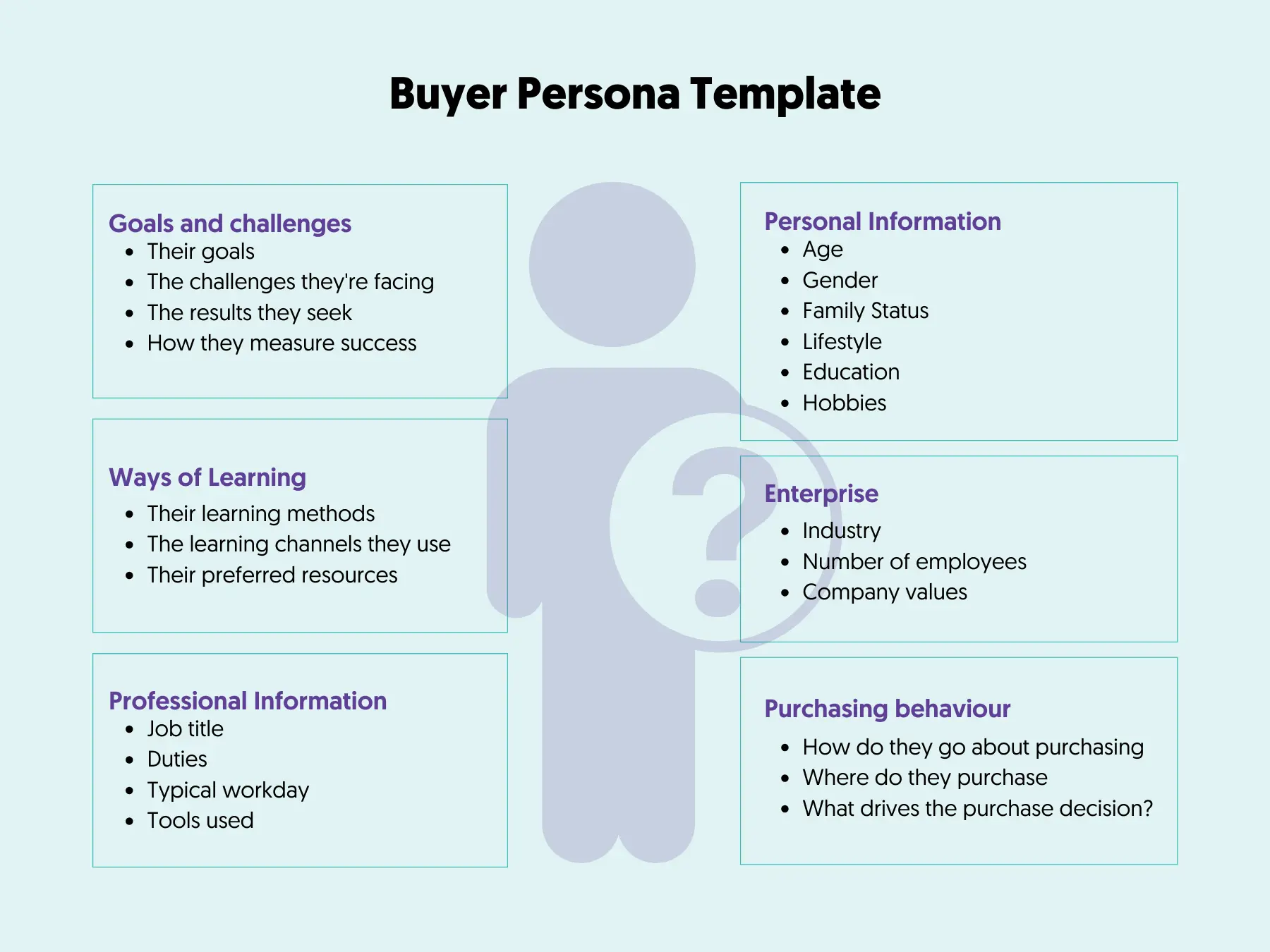
A deep understanding of your target audience will ensure you can craft messages that resonate correctly. It also means you can refine your search for the correct influencers, focusing on creators who already have a strong connection with the right customers.
Conduct extensive market research and examine your competitors to learn as much as possible about your audience. A competitor analysis can give you a deeper insight into the types of customers who can benefit from your products or services.
Using your existing data, such as SEO and social media campaign results, can also show you what types of customers already engage with your business. It can also help to create buyer profiles, outlining key demographic, behavioral, and psychographic data for your ideal customers.
3. Choose the Right Influencers
Choosing the right influencers can be one of the most complex parts of building a strong influencer marketing campaign. Crucially, it’s not enough to simply focus on a potential influencer's number of followers. You need to ensure your partner connects with the right types of consumers and members of your target audience.
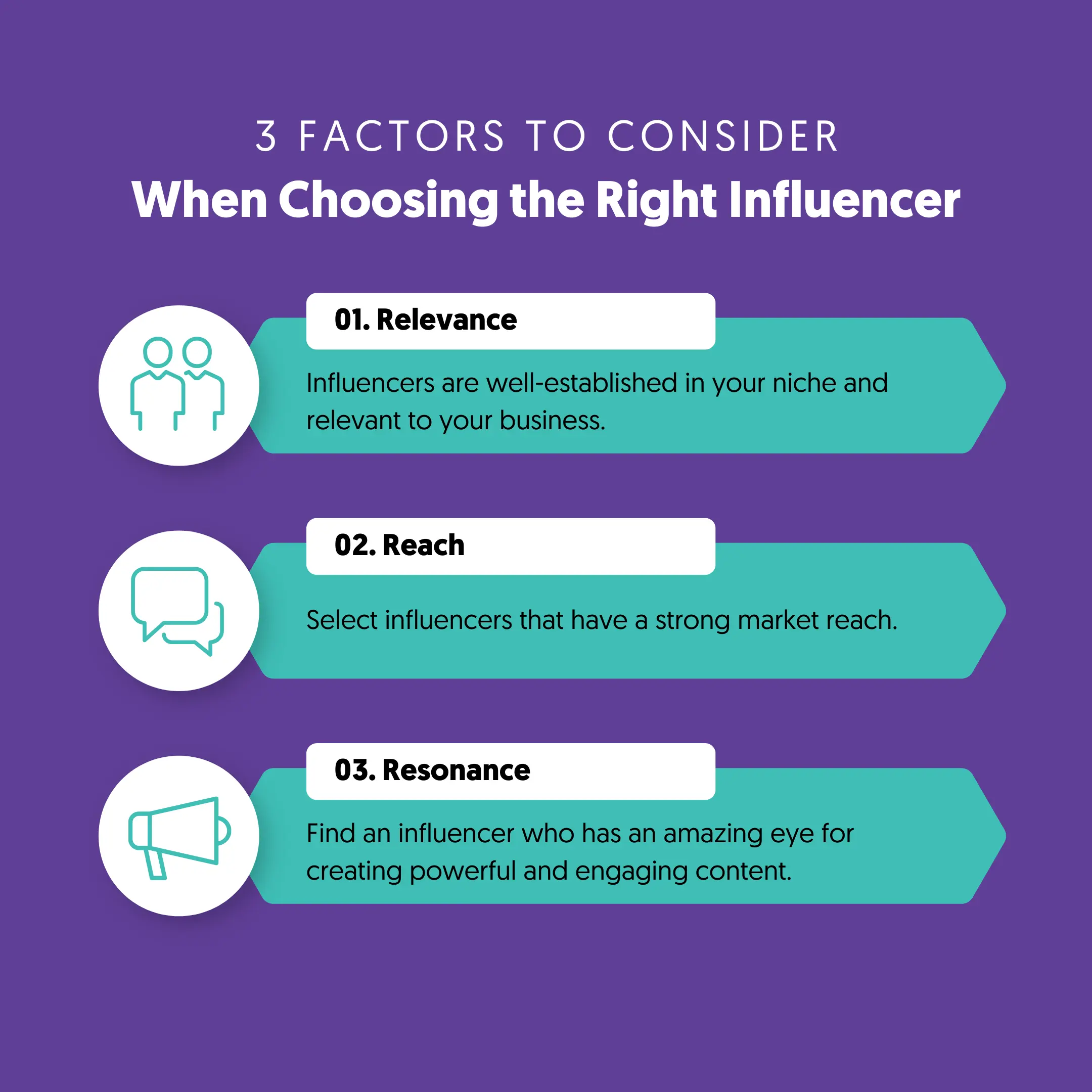
Focus on the three “R’s” when selecting creators to work with: relevance, reach, and resonance.
In other words, make sure your influencers are already well-established in your niche or industry, that they have a strong market reach, and an amazing eye for creating powerful and engaging content.
There are plenty of ways to find influencers, depending on the platform you’re using. For instance, TikTok has its own creator marketplace to help you seek out partners. You can also use influencer directories or reach out to creators directly.
When narrowing down your choices, focus on influencers with a high level of audience engagement, a strong connection with your brand values, and evidence of creating successful campaigns for similar companies.
4. Agree on How Influencers Will Promote Your Products
Next, you’ll need to determine how you’re going to work with your influencer to promote your products. As mentioned above, there are various options to choose from. Some influencers create sponsored content that highlights the unique benefits of your solutions.
Others can simply wear or showcase your products in their videos and visual posts. Influencers can also conduct reviews or comparisons that help to draw attention to your items and their value.
It’s important to outline exactly what you expect from your influencer during the early stages of your collaboration. Share your campaign goals with them, and let them know how you’ll measure results to determine whether each campaign is successful.
You can create a contract to help clarify expectations. This will also help influencers understand how they’ll be paid (see how influencers get paid above) and what usage rights you have to their content. Make sure you also set clear guidelines on content creation, guiding your influencers on what kind of terms they can use and what they should avoid.
Additionally, it’s important to think about how you’re going to manage disclosure. There are guidelines from the FTC that require influencers to be clear about when they’re working with a brand and being paid to promote products.
5. Create Dedicated Landing Pages
Often, the purpose of an influencer is to drive action from consumers, encouraging them to visit your website or connect with your company in some way. Creating landing pages you can send specific customers to when they click on an influencer link is often valuable.
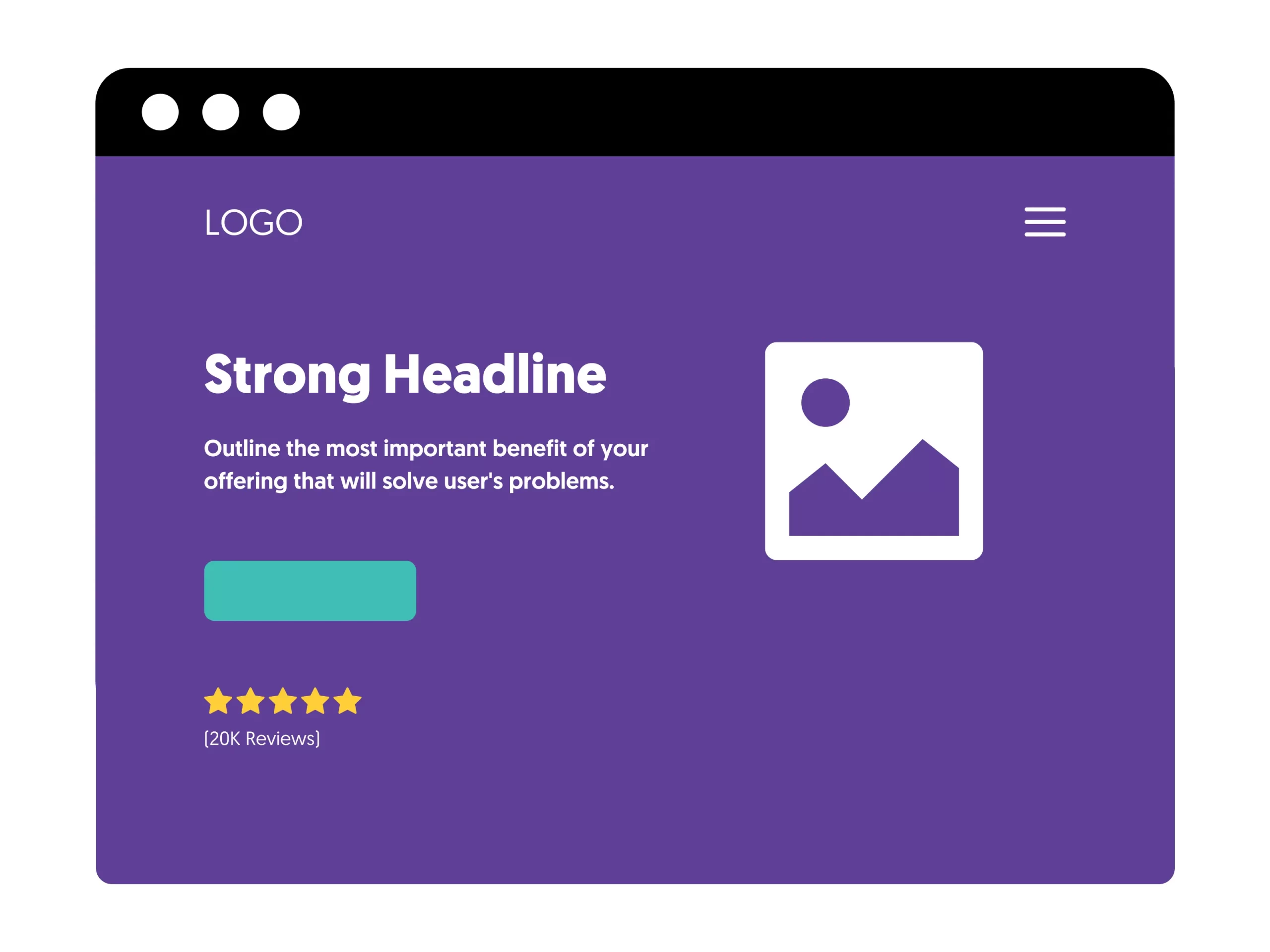
They can help you track the performance of your campaigns thanks to the use of UTM codes on links. Give each influencer a unique link and discount code, so you can see exactly how many visits and sales each one drives. This makes it easier to determine which influencers and marketing strategies are driving the most conversions or business results.
Since most influencers operate on social media channels, it makes sense to ensure your landing pages are optimized for mobile devices. Ensure you’re not overwhelming your audience with too much information at once, and always check that your landing pages are consistent with the messaging and promotions your influencers use.
Remember to add a clear call to action to your landing pages, telling customers what you want them to do next. This could be asking them to download a digital product, purchase an item, or simply contact your business.
6. Launch The Campaign
When you have your landing page established, and your UTM links set up, you can launch your campaign with your influencer. Remember, although your influencer will be responsible for driving positive engagement from your audience, your work isn’t over.
You’ll need to ensure you’re monitoring the impact of each campaign carefully. Keep the lines of communication open with your influencer, so they can inform you about engagement levels, responses to certain content, and other information.
Before the campaign:
- Set clear goals with your influencer and establish KPIs
- Provide access to brand content and editorial guidelines
- Establish which channels the campaign will run on
- Set a date for each post, and determine how long the campaign will run
During the campaign:
- Monitor engagement in the form of likes, comments, and shares
- Collaborate with your influencer to adapt the campaign as necessary
- Gather data about your audience’s behavior
After the campaign launch:
- Pay close attention to your influencer marketing metrics
- Connect with the influencer regularly about campaign opportunities
- Monitor your website traffic, follower count, and conversions
7. Analyze Campaign Results and Measure ROI
Finally, it’s time to determine the ROI of your influencer campaign. Throughout your entire marketing strategy, you should be paying close attention to key metrics, defined by your specific goals. For instance, you might want to monitor brand mentions, follower numbers, and post views if you’re trying to raise awareness.
If you’re focusing on increasing engagement, pay attention to click-through rates on your links, customer likes, comments, and shares, and the use of branded hashtags.
You can use your own analytical tools, such as Google Analytics, to monitor clicks and conversions and insights from your influencer’s social media analytics. The information you gather will help you make data-driven decisions about optimizing and improving future campaigns.
Conclusion
Influencer marketing is a great marketing channel. It's the modern way to get attention to your brand fast, boost brand awareness, increase sales, and build an online audience.
The key to running profitable influencer marketing campaigns is choosing the right influencers. If you can find influencers based on relevance, reach, and resonance, you have more chances of succeeding rather than choosing influencers based on follower count.
FAQ
Does influencer marketing really pay off?
It can, especially for consumer brands. HubSpot's research found influencer marketing drives particularly strong ROI in B2C, and more brands report success with micro-influencers than with any other tier. Results depend on choosing influencers whose audience matches your customers and tracking sales with links and codes.
How many followers do you need to be an influencer?
There's no minimum. Creators with fewer than 10,000 followers are called nano influencers, and brands often work with them because their audiences are engaged and trust their recommendations.
How much does influencer marketing cost?
It ranges from free products for nano influencers to very large fees for celebrities. The price depends on audience size, engagement, platform, content type and usage rights, so agree on the terms before the campaign starts.
Do influencers have to disclose sponsored posts?
Yes. In the US, the FTC requires influencers to clearly disclose when they have a financial or personal relationship with a brand, such as payment or free products.