

When you start learning SEO, one of the words you will often hear is “backlinks” or "incoming links". Why? Because they still play an important role in SEO and rankings, especially regarding Google SEO.
Backlinks are not easy to get, but websites with strong backlinks enjoy a higher level of Google trust, which translates to higher rankings.
In this post, you will learn what backlinks are, why they matter for SEO, and how to get backlinks to your website.
What Are Backlinks?
A backlink is a link that points from one website to the other. For the website that links out, it is called an “outbound link,” and for the website that receives the link, it is called a backlink.
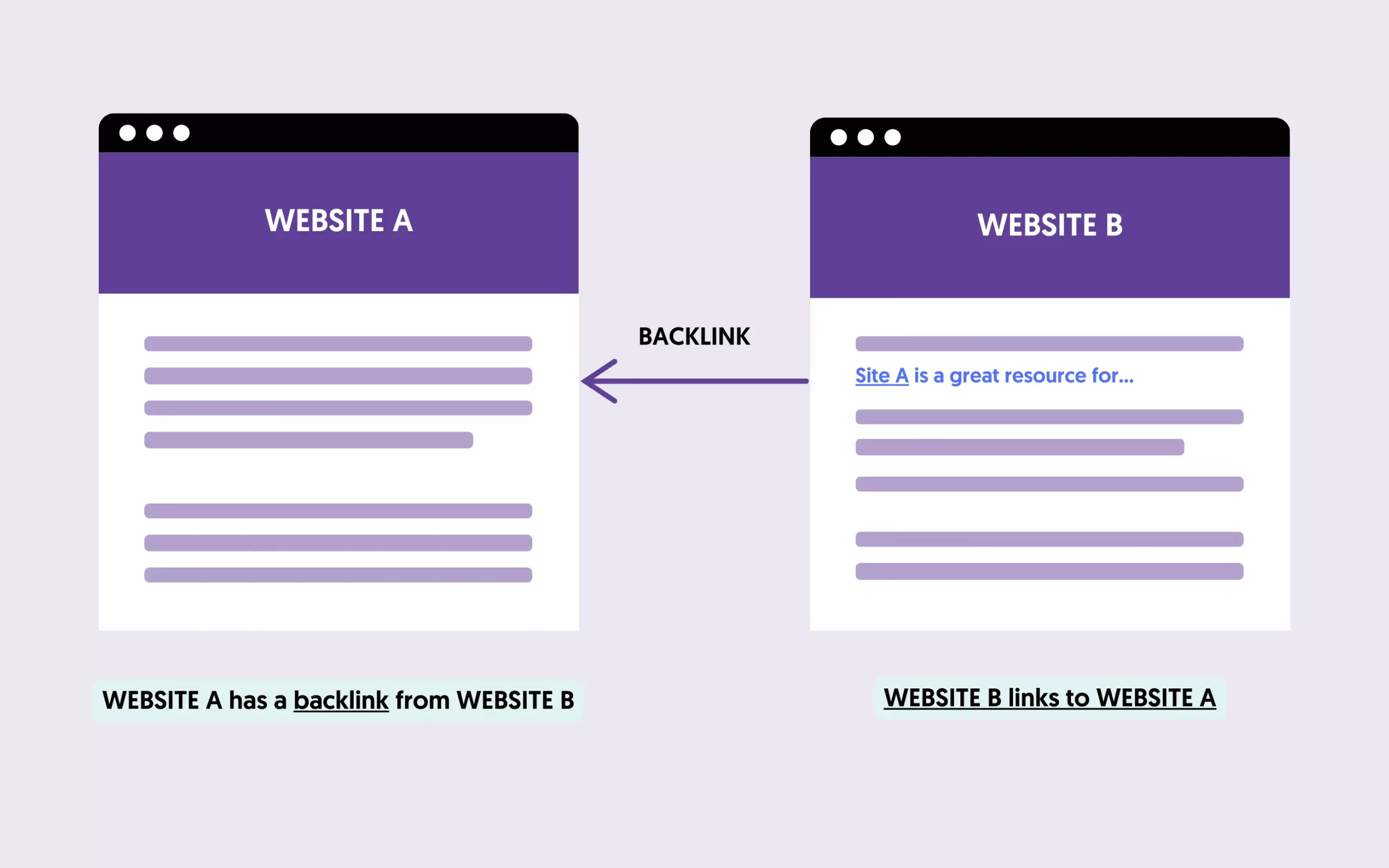
If you think about it, the Internet is a collection of domains, web pages, and links. The term World Wide Web emerged from the fact that the websites published on the Internet are connected via links, formatting a web.
So, a backlink is generated when one website links to another. This is different from having links pointing to pages on the same website. These are called internal links.
Here is an example. A food blog publishes a post about meal planning and links to a free recipe calculator on another website. For the food blog, that is an outbound link. For the recipe calculator’s website, it is a backlink. In the page’s code, the link looks like this:
<a href="https://example.com/recipe-calculator/">free recipe calculator</a>
The clickable text, “free recipe calculator”, is the anchor text. It tells both readers and search engines what the linked page is about.
Why Are Backlinks Important For SEO?
Backlinks act as a vote of trust, and websites with the strongest links appear in Google's top positions. During ranking, the algorithms consider backlinks as one factor indicating a website's popularity. A website with many backlinks is considered more popular than others, so it gets a higher ranking.
The story goes back to 1996 when Larry Page and Sergey Brin (Google Founders) included the number of backlinks pointing to a website as one of the signals used by the Google ranking algorithm.
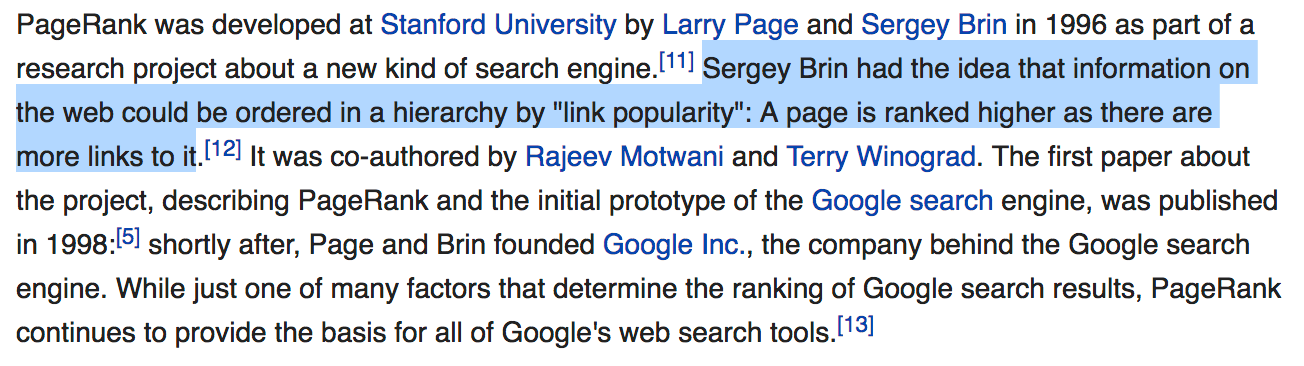
The idea was simple, and it is valid until today. Of course, things have changed since the early 2000s, and other factors impact rankings, but backlinks are still among the most critical elements of the Google ranking algorithm.
Consider the following example to understand the concept better:
Twenty websites are blogging about the same topics. They all publish high-quality content, are fast, easy to use, and provide a great experience to the user.
Which website will be shown on top of the SERPS when a user types in a related query in Google? Other things being equal, the website with links from related websites will be shown in the top positions of the results.
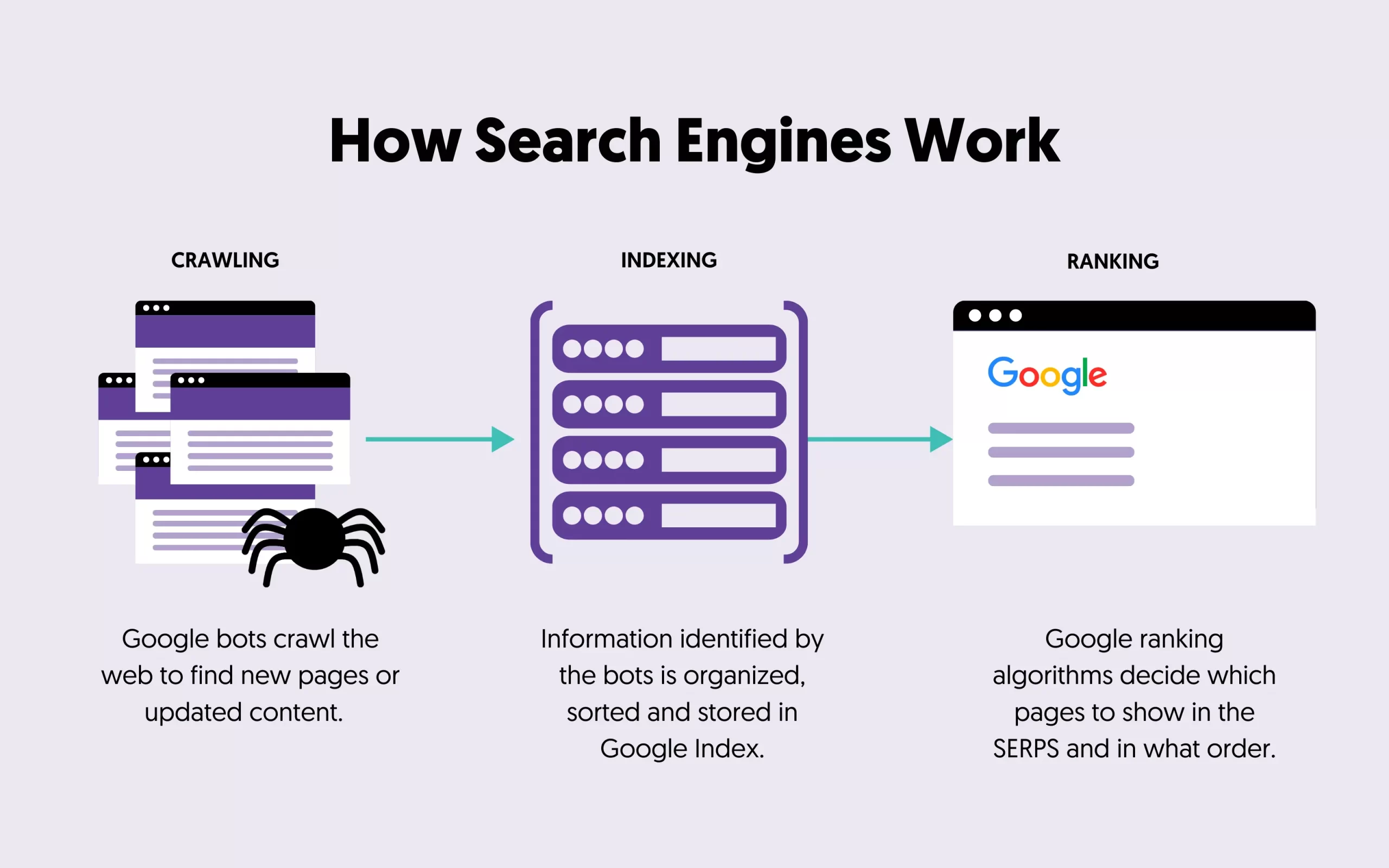
Another reason that backlinks are important for SEO is that they help search engine crawlers discover and rank new pages. During crawling, search engine bots use links to find new pages and add them to their index.
Backlinks also send visitors. People reading the page that links to you can click the link and land on your website. This is called referral traffic, and a link from a popular page in your niche can bring you relevant visitors for years, whatever it does for your rankings.
Different Types of Backlinks And SEO
Follow Vs. NoFollow Links
When it comes to SEO value, not all backlinks are equal. For starters, it has to be a "follow" link. This means that when search engine crawlers find a link pointing to another domain, they will follow it and count it as a vote of trust going from one domain to another.
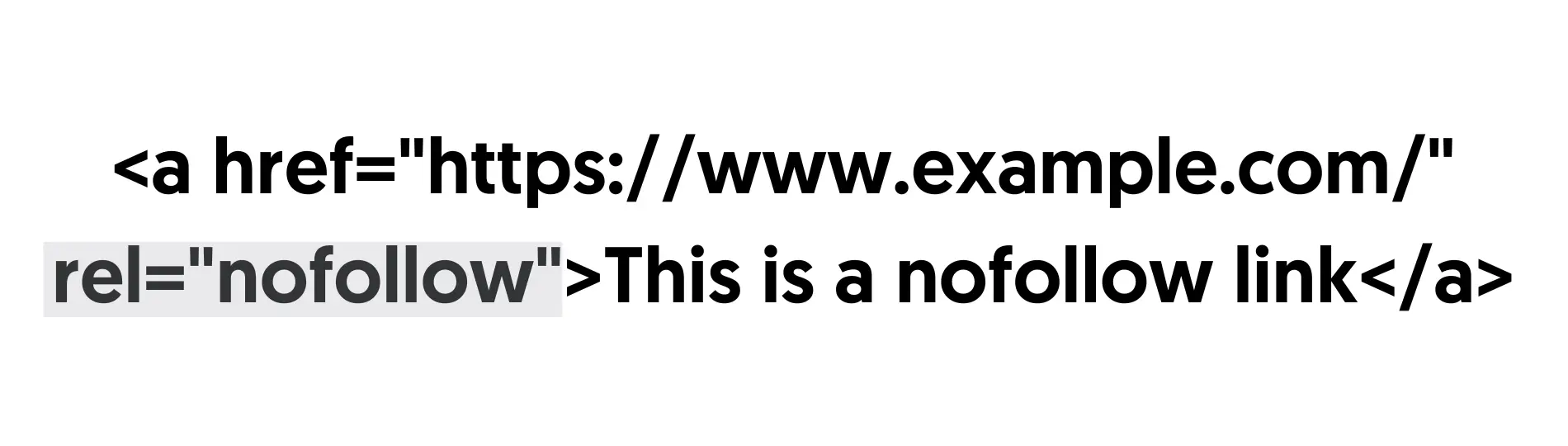
All links, by default, are ‘follow’ links (often called dofollow links) unless they have one of these attributes: nofollow, sponsored, or UGC attached to their code. Nofollow links don’t pass ranking value, but they can still bring you visitors.
- The rel="nofollow" attribute instructs search engines not to consider the link for ranking purposes.
- The rel="sponsored" is used for paid links.
- The rel="ugc" is used for user-generated content like links in a comments section.
Here is an example of a nofollow link:
Good Backlinks
Besides being a follow link, a good backlink that can positively influence your rankings has the following characteristics:
- It comes from a related website.
- It is naturally placed in the text.
- It has a relevant anchor text.
- It comes from an authoritative, trusted website. Third-party metrics such as Moz’s Domain Authority estimate this, but they are not Google metrics.
- It comes from a high-quality website.
Bad Backlinks
A bad backlink has the following characteristics:
- It is paid for but not marked with rel="sponsored" or rel="nofollow", which breaks Google’s spam policies.
- It’s a result of a link exchange.
- It comes from a low-quality website.
- It comes from a website with little authority or trust.
- It comes from a website with little or no original content.
- Its sole purpose is to manipulate Google rankings.
Google says it ignores most spammy links rather than punishing the site they point to. But if a site takes part in link schemes, such as buying links to manipulate rankings, it can get a manual action, a Google penalty that can remove it from the rankings.
If you have received a manual action for unnatural links, or you built bad links in the past, you can ask site owners to remove them or use Google’s disavow tool to tell Google to ignore them.
How To Check Your Website Backlinks
There are various ways to check who links to your website. The easiest methods are using the Google Search Console Links report or a free backlink checker tool.
How to Check Your Backlinks With Google Search Console
You can use the Google Search Console to see links pointing to your website from others.
Login to GSC and click LINKS from the left menu.
Click the MORE button under "Top Linking Sites".
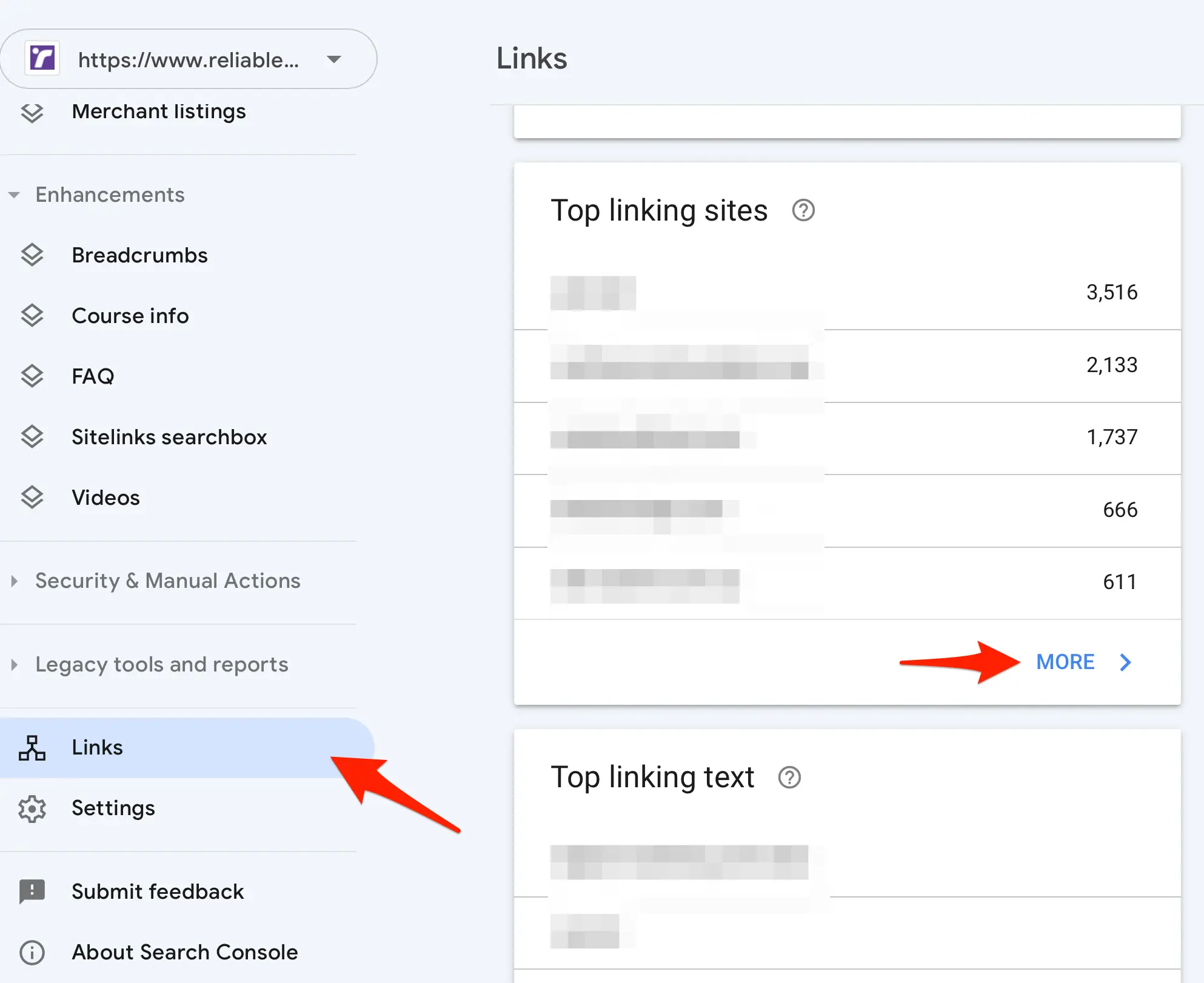
You can now see all domains linking to your website. You can click on a specific domain to see which page(s) they are linking.
You can see exactly the page linking to you by clicking on a page.
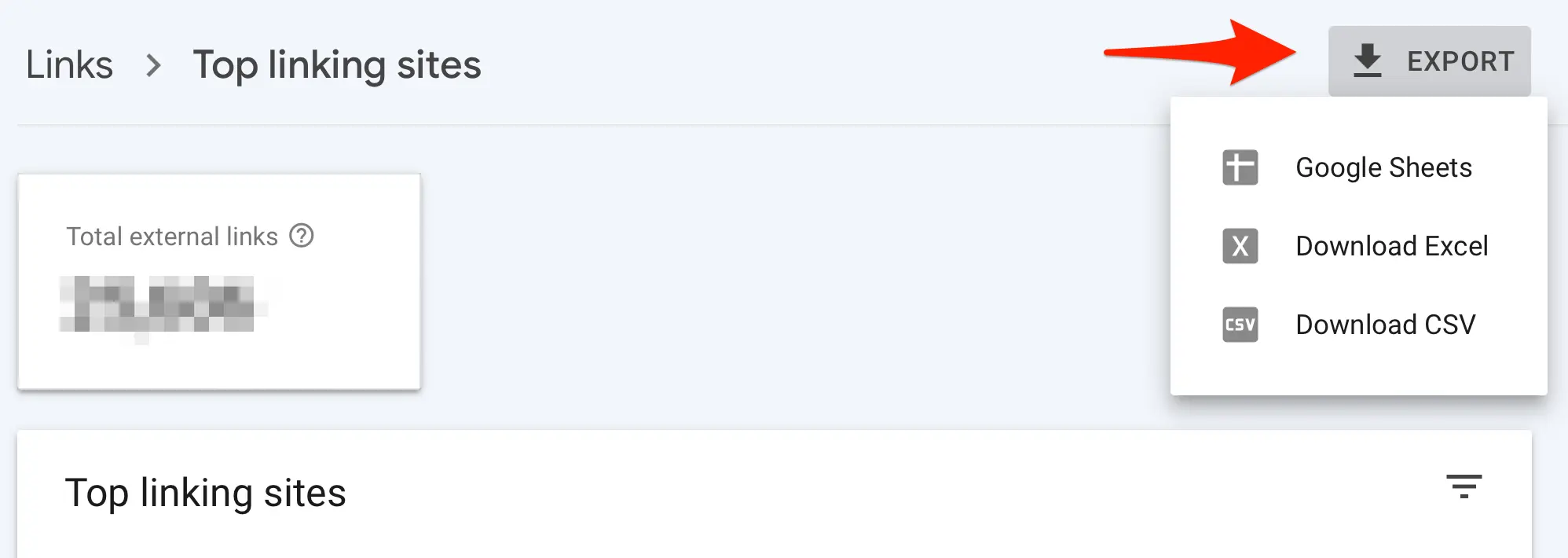
To make data processing more manageable, click the EXPORT button and download the information in Excel or Google Sheets.
How To Check Backlinks To Any Website Using a Tool
You can use a free backlink checker tool to check links to your website or any other website. It's easier to use than GSC. You can differentiate between follow and nofollow links, see the exact anchor text used, and analyze your link profile in detail.
Here is an example of a backlink analysis report from Semrush.
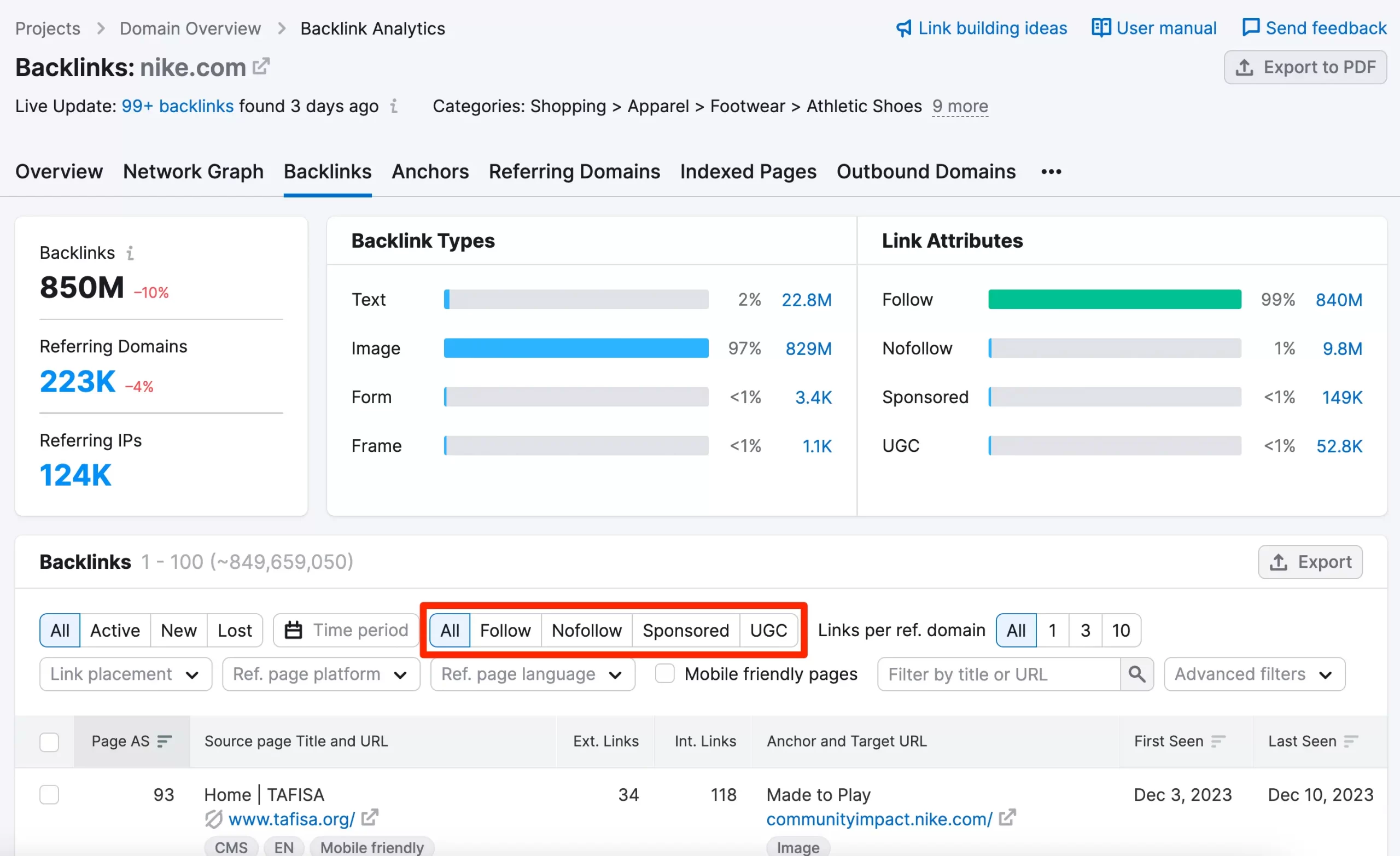
You can use the available filters to differentiate between follow and nofollow links, see your link history, the authority of the domains linking to you, and much more helpful information.
How to Build Backlinks To Your Website
The process of getting backlinks to your site is called link building, and it's part of off-page SEO. The most effective link-building techniques are:
1. Natural Link Building
This is the safest and most efficient way to get those precious backlinks. As the name implies, it has to do with getting links from other websites naturally.
In other words, other webmasters find your content useful and link to it from their content.
This is not a theoretical concept; it works, but to get to this point, you must publish high-quality content worth linking to. Some great examples of link-worthy content are:
- Case studies
- Original research
- Statistics
- Eye-catching Visuals
- Listicles
The problem is that you may have great content on your website, but nobody will link to it unless other people know about it.
What can you do? Use social media marketing to promote your website to people interested in linking to it. This means using social media networks to connect with other bloggers, journalists, and influences and let them know you exist.
It’s not easy, but you need to connect with others to create a long-lasting online business. It’s like marketing your brick-and-mortar business in the real world. Connecting with the right people is essential in both cases.
2. Blogger / Influencer Outreach
Besides social media, another tool you can use in your link-building campaigns is email outreach.
The idea is the same as above, but instead of using social media networks, you use email to connect with other bloggers and industry influences to introduce your work and website.
The process goes like this:
- Create superb, detailed, insightful content to which other webmasters would have no problem linking.
- Create a list of websites/blogs covering similar topics.
- Find the contact details of the bloggers.
- Create customized emails and contact them to inform them about your work and why they should consider linking to your content.
It sounds simple in theory, but for the above process to work, you first need to ensure that your content offers value to the reader and is worth linking to. And the second is that you write a personalized email, not a generic one asking for links.
To help you understand this better, here is an email I received asking for links that caught my attention (click to enlarge).
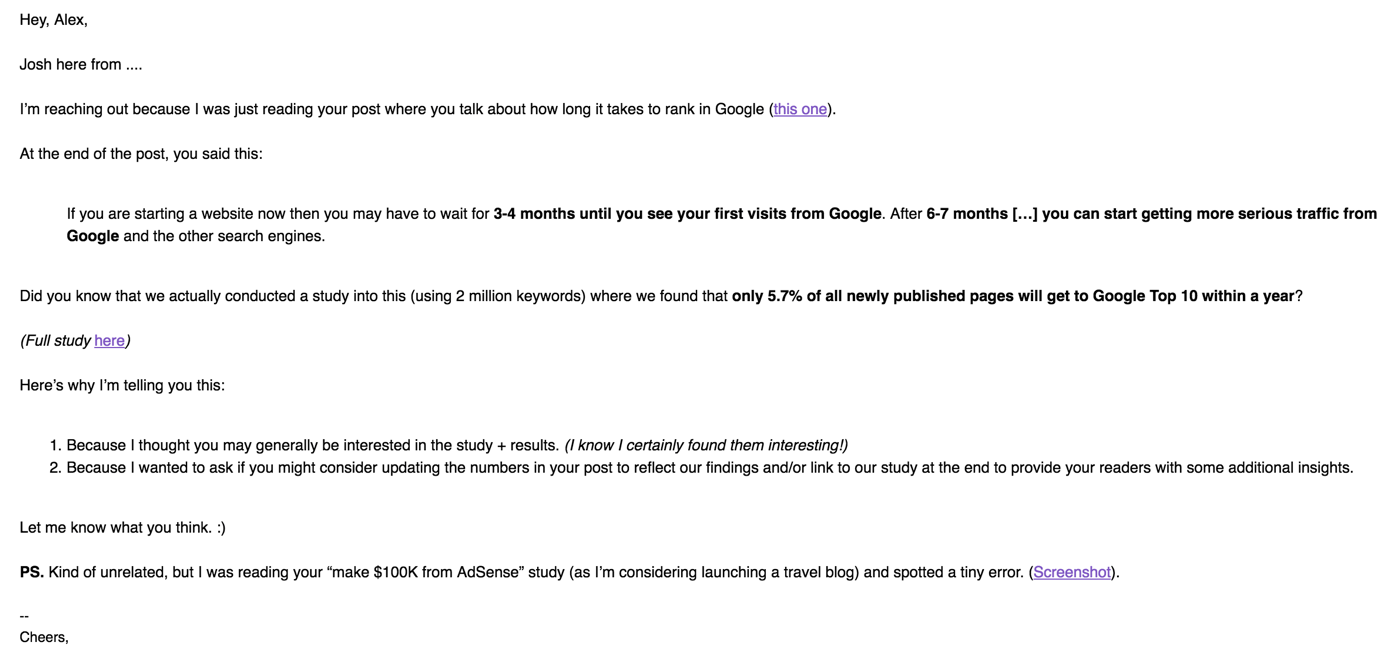
Notice how specific their email was, explaining where and why I should consider linking to their study.
3. Broken Link Building
This is another technique for getting links. The idea is the following:
- You use tools like Semrush to find outbound broken links on other websites, i.e., they point to a non-existent page (404 page). This is normal since many websites may go offline or because webmasters mistyped a link, etc.
- You email the website owner and let them know they have broken links on their websites and suggest ways to fix those links, preferably by linking to your website instead.
- So, you help them by letting them know of a broken link, and at the same time, you also have a ready-made solution for them. Most webmasters will appreciate the gesture and happily link to your website.
- The big problem with this method is that you need to spend a lot of time finding broken links related to your content, which is difficult.
4. Guest Posting
Guest posting is the process of publishing an article you created on another website as a guest writer. You include a link pointing to your website in the body of the article or the author bio.
The process goes like this:
- You find websites related to your niche that accept post contributions from guest writers.
- You email them your proposal (what article to write, why they should accept your post, etc).
- In the article, you add a link pointing to your website.
Guest posting is a great way to improve your link profile, provided that you publish your articles on high-quality websites and that the links are do follow.
5. Analyze Your Competitors' Backlink Profiles
Once you start link building, you will soon realize it’s too difficult to find websites willing to link out.
One way to increase your chances is to go after websites you know already link to others.
In other words, if a website already links to one of your competitors, you have more chances to get a link from them, provided that you have something good to offer and approach them correctly.
- The first step is to analyze your main competitor's profile (using a link analysis tool) and find which websites are linking to them. Our guide to competitor backlink analysis shows the full process.
- Then, you can find the owners' contact details and send them a personalized email with your proposal.
6. Use HARO (Help a Reporter Out)
HARO connects journalists with expert sources, and a quote in an article often comes with a backlink from a news site or magazine. The original HARO was shut down in 2024 and has since been relaunched by Featured, with free daily media queries. To effectively use HARO, you must set up an account and select categories relevant to your niche. When journalists post queries seeking expert opinions or information for their articles, you should respond promptly with insightful, detailed answers.
To maximize your success with HARO, tailor your responses to fit the journalist's query precisely. Offer unique insights or data that can add value to their article.
The above list is not complete. You can use other link-building techniques to enrich your link profile, but two things remain certain. First, link building is still important for Google and rankings, and second, link building is one of the most time-consuming and challenging parts of SEO.
Are Backlinks Still Important For SEO?
Yes. Backlinks are still one of the main signals Google uses to judge which pages deserve to rank, and they help new pages get discovered and crawled.
What has changed is what counts. A handful of links from relevant, trusted websites is worth more than hundreds of links from unrelated or low-quality sites, and Google ignores many links it doesn’t trust.
Links also matter for AI search. AI tools that answer questions, such as Google’s AI Overviews and ChatGPT, tend to cite sources that other websites already reference and trust, so the same reputation that earns links also makes you more likely to be cited.
Conclusion
Backlinks are important for SEO and a website's growth and sustainability.
What you need to improve your rankings is high-quality backlinks from related websites. In the past, we used to say a link is a link, but that’s not the case today. You should go after links that matter and not any links.
Backlinks can give your website the extra push to get to the top of the SERPS and enjoy the benefits of 24/7 non-stop organic traffic.
Getting those precious links is not easy. Link building is one of the most challenging and time-consuming SEO activities.