




What Is Content Writing?
Content writing is the process of planning, writing, editing, and publishing digital content, such as blog posts, website pages, emails, and social media posts, to inform or market to a specific audience. The aim is to share valuable information to earn customer trust, improve engagement, and establish credibility in your niche.
What Does a Content Writer Do?
A content writer creates written material for websites, blogs, and other digital media. They engage and inform audiences through well-researched and compelling content.
The fundamental role of a content writer starts with understanding the target audience of the company they’re writing for. The best content writers know how to adjust their tone of voice and marketing efforts to suit the expectations of their target audience.
Some of the tasks a content writer may be responsible for include:
Keyword research: While some companies have separate SEO experts responsible for keyword research, good content writers should have the skills to perform keyword research and identify terms and phrases to use in the content.
Content strategy: Content writers can work solo or with content marketing specialists and assist in developing an end-to-end content strategy. This could involve determining what kind of content to create for each channel.
Content writing: Perhaps the most important role of a content writer is actually creating content. Content writers create everything from blog posts to web pages on behalf of a client.

Proofreading and editing: Some content writers do all of their proofreading and editing themselves.
Publishing: Content writers will usually be able to upload their content to various platforms. This could mean adding posts to a WordPress site and scheduling them.
Content Writing vs. Copywriting
The two are often confused, and many writers do both, but they have different goals:
Content writing informs, educates, or entertains. It builds trust over time and usually aims to attract visitors, for example through blog posts, guides, and newsletters that rank in search engines or get shared.
Copywriting persuades the reader to take one specific action right now, such as buying, signing up, or booking a call. Think of ads, landing pages, product descriptions, and sales emails.
In practice, a blog post is content writing, and the call to action at the end of it is copywriting.
How To Become a Content Writer
The key to successfully starting a job in content writing is developing your skills and gaining as much experience as possible. Here are some steps for beginners to start with content writing with no experience:
- Enroll in a course
- Practice your writing skills
- Develop complementary skills
- Find your niche
- Build your experience
1. Enroll in a course
While you don’t need a specific content writing degree to get into this industry, a content marketing certification or a digital marketing certification can be useful.
Enrolling in an online course is an excellent way to develop some of the necessary skills you’ll need to impress and attract potential clients. You can even get a copywriting certificate to add to your resume.
When looking for suitable courses, focus on the aspects of content writing you’re most interested in. For instance, if you want to get involved with content writing from an SEO perspective, look at courses covering digital marketing, SEO Courses, and writing.
You may decide to take a selection of different courses to build out the appropriate skillset.
2. Practice your writing skills
Many people aspire to be writers, particularly when they have a creative mind and a talent for language. However, only a handful of hobbyists turn their skills into a profession.
The only way to actively pursue your career in content writing is to begin practicing. It takes many hours to become the kind of writer a professional team or business would want to hire.
Begin by writing blogs for your own website, where you can advertise your skill, collect testimonials, and build a portfolio over time.
You can also get involved with online writing forums and groups to gain inspiration. You could even volunteer your writing services to publications you like. This will help to build your skills while getting your name out there.
Our Content Marketing Course teaches you how to create content that ranks well, holds your readers' attention, and moves them toward a decision.
3. Develop complementary skills
Writing is the most important talent you’ll need to become a professional content writer.
However, there are other skills that can come in handy and improve your chances of getting the attention of potential clients. For instance, you’ll need fantastic communication skills to interact with clients and companies you work with.
Learning how to convey your ideas effectively to a wide audience will be essential as a content writer.
You’ll also need good research skills. Ensure you know how to track down credible sources of information when developing your career as a content writer.
Other complementary skills may include:
- SEO: Most companies want their content writers to have some basic search engine optimization.
- Problem-solving: Problem-solving skills will help you to come up with unique ways of using content to address the needs of your clients.
- Adaptability: The ability to adapt, constantly grow, and develop new skills is essential to a content writer. The tools you use to convert customers for your audience will likely change over time, so be ready to evolve frequently in your career.
4. Find your niche
While some content writers and copywriters will work on a broad range of topics across a wide variety of companies and industries, a general approach can make it difficult to stand out.
You may find you can reach a wider audience and spend more time on work you actually enjoy with a niche.
Focusing on a specific area of specialization could mean you work best for companies in the healthcare or technology industry. The more you focus on this space, the more you develop your reputation and attract potential future clients.
Alternatively, your niche could involve looking at a specific aspect of content writing. You might be particularly good at writing engaging blog posts, creating social media content, or producing whitepapers for technical companies.
5. Build your experience
Finally, the most important thing that matters to people planning on hiring a content writer is usually experience. Your future employers want to see evidence you have skills in your space.
The best way to begin building experience as a content writer is to create a portfolio of work you can share with your employers. These are basically examples of your content in the form of ad mock-ups, blog posts, and social media campaign ideas.
Once you have your portfolio and you’re posting regularly on your own website blog, look for opportunities to branch out and gain more experience.
Contributing to reputable sites, even if you don’t get paid for it, will help to demonstrate your writing skills. You can also consider offering clients a discount price in exchange for a review when you finish their project.
Content Writing Tips
Follow these tips to become a better content writer. Before you start any piece, answer three questions: what format is it (a blog post, an email, a web page), who is it for, and what should it achieve?
1. Start with a clear goal
Every piece of content needs one job. It might be to rank for a search and bring in visitors, to answer a customer's question, to explain a product, or to get the reader to sign up. Decide the goal before you write a word, because it determines the length, the tone, and what the reader should do at the end.
2. Write for your audience at each stage of the funnel
Content marketers use content to direct prospects through the different stages of the digital marketing sales funnel. Each stage of the customer journey requires a different approach to content.
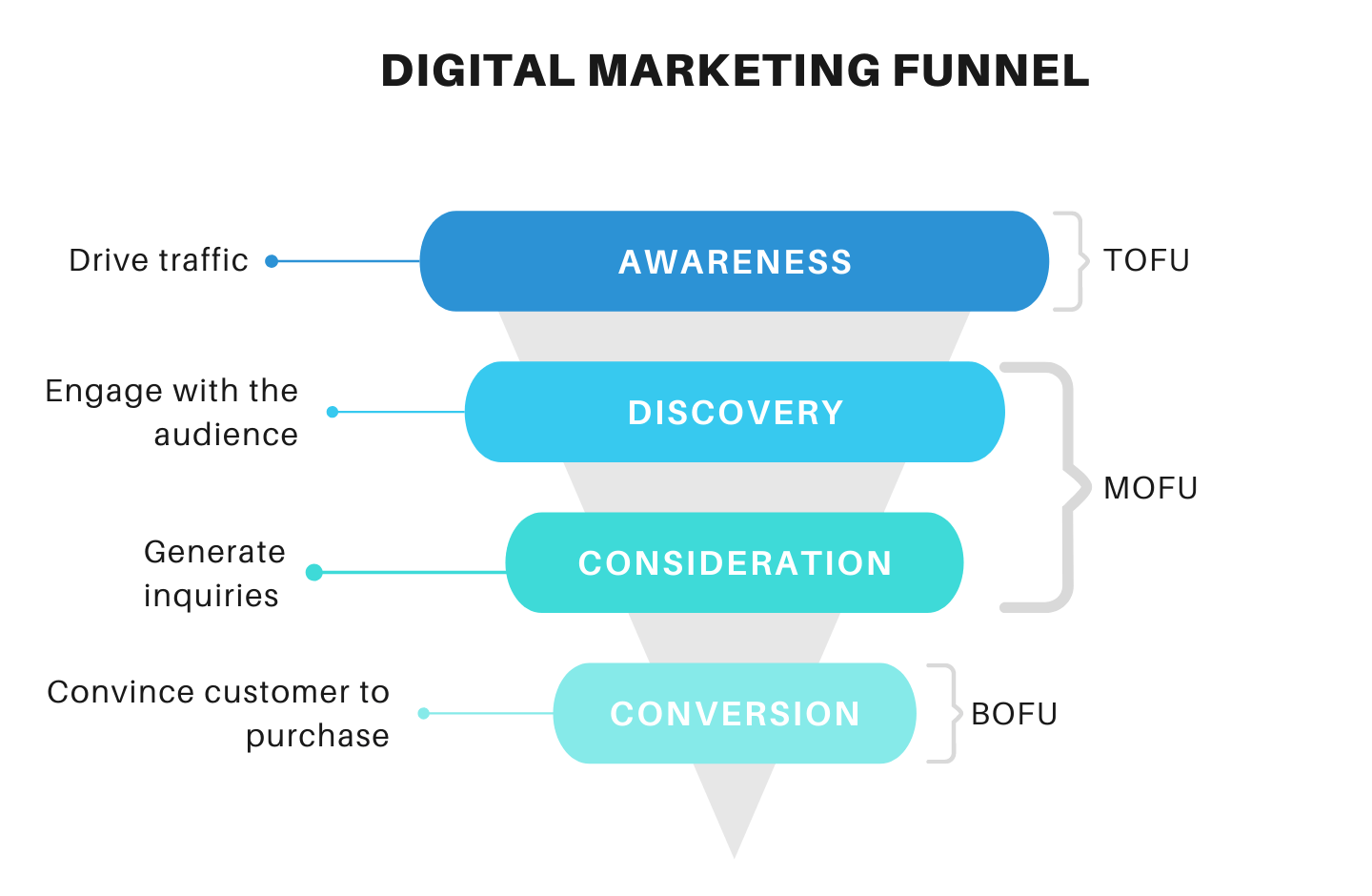
For example, during the awareness stage (top of the funnel), your content would aim to inform and attract customers.
During the consideration stage, you highlight the benefits of your products or services against competitors.
At the bottom of the funnel, you write content to convince customers to purchase a product or perform a desired action.
3. Research the topic, the reader, and what already exists
Good content starts with research, in three areas:
- Your subject matter: Learn as much as possible about the topic and use references to reputable sources to give your work credibility. Factual, credible information matters even when you are writing to entertain.
- Your readers: Know their questions, their pain points, and the words they use. Building buyer personas helps you choose the right tone of voice and examples.
- What already ranks: Read the pages that already rank for your topic. Your goal is not to copy them but to find what they leave out, so your piece adds something new.
4. Make the headline and the opening count
Most readers decide within seconds whether to keep reading. Your headline has to tell them exactly what they will get, and your first two or three sentences have to confirm they are in the right place.
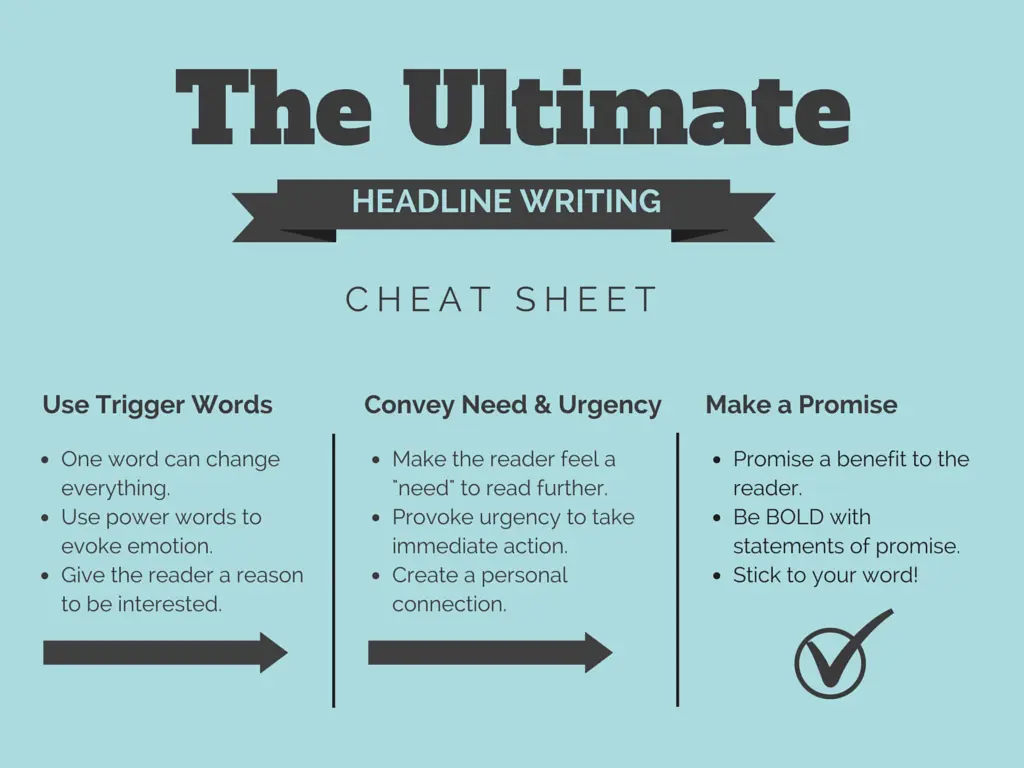
Be specific rather than clever. A headline that names the problem and the outcome ("How to Write a Blog Post in 7 Steps") usually beats a vague one. Numbers and questions work well when they are honest: never promise more than the article delivers.
5. Structure your content so it is easy to scan
Most people skim before they read. Break your content into logical sections with descriptive subheadings, keep paragraphs short, and use lists and tables where they make information easier to take in. Answer the main question early, then add the detail.
6. Give value, not word count
Write as much as the topic needs and no more. Cut filler, generic introductions, and points that don't help the reader. Specific advice, real examples, and first-hand experience are what make content worth reading, and they are also what AI tools can't reproduce for you.
7. End with a call to action
Tell the reader what to do next: read a related article, download a resource, sign up for a newsletter, or contact you. One clear call to action works better than several competing ones.
8. Edit and optimize everything you write
Great content takes work. Most content writers don't publish the first version of the piece they write. Taking the time to read through the content is crucial.
Any grammatical error or unclear sentence can confuse your audience and send them running in the opposite direction.
Often, it's helpful to have a separate proofreader on hand when creating content because they can examine your work objectively and spot things you've missed. Other ways to enhance your work include:
Checking your on-page SEO: Have you used keywords naturally and organically throughout the post? Are there internal links for page connections on your site and external links for credibility? Have you optimized your H1 tag, meta tags, headlines, and title tags?
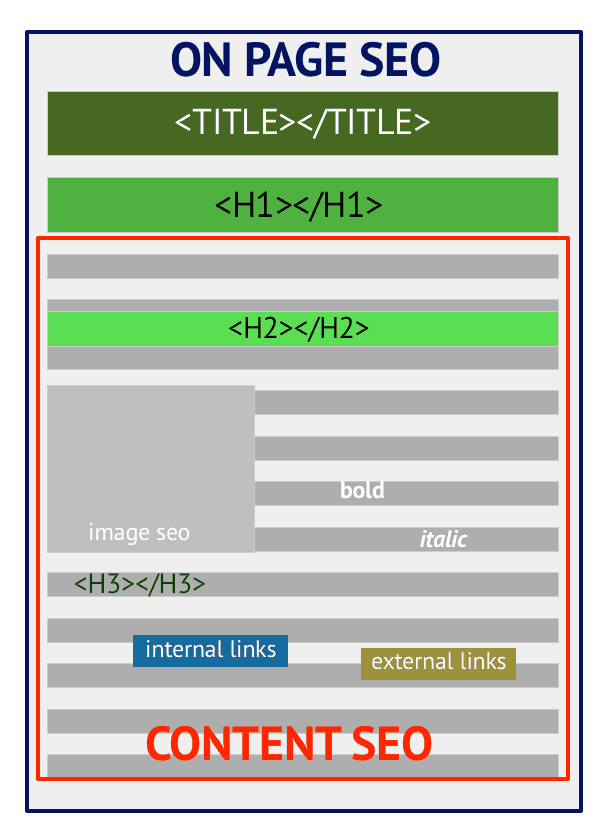
Examining readability: Is your content divided into logical segments? Have you got subheadings to guide your reader, short paragraphs, and plenty of bullet points? Keep everything as clean as possible to improve readability.
Looking at relevancy: Is every part of your content as relevant as it should be? Can you remove anything that isn't useful to your audience?
AI and Content Writing
AI writing tools have changed how many content writers work, but they haven't replaced the job. Most professional writers now use AI for parts of the process:
- Research and ideas: Brainstorming angles, summarizing sources, and finding questions readers ask.
- Outlines and drafts: Suggesting a structure or a rough first draft to work from.
- Editing: Tightening sentences, checking grammar, and suggesting alternative headlines.
What AI can't do is supply first-hand experience, original examples, and judgment, and it can state false information with complete confidence, so every fact still needs checking. Those are the parts clients and employers pay a human writer for.
Google's guidance is that generative AI can be useful for researching a topic and adding structure to original content, but using it to produce many pages without adding value for users may violate its spam policy on scaled content abuse. In other words, what matters is whether the content is helpful, not how it was produced.
Learning to write good instructions for these tools is now a useful skill in itself. Our guide to prompt engineering shows you how.
Content Writing Examples
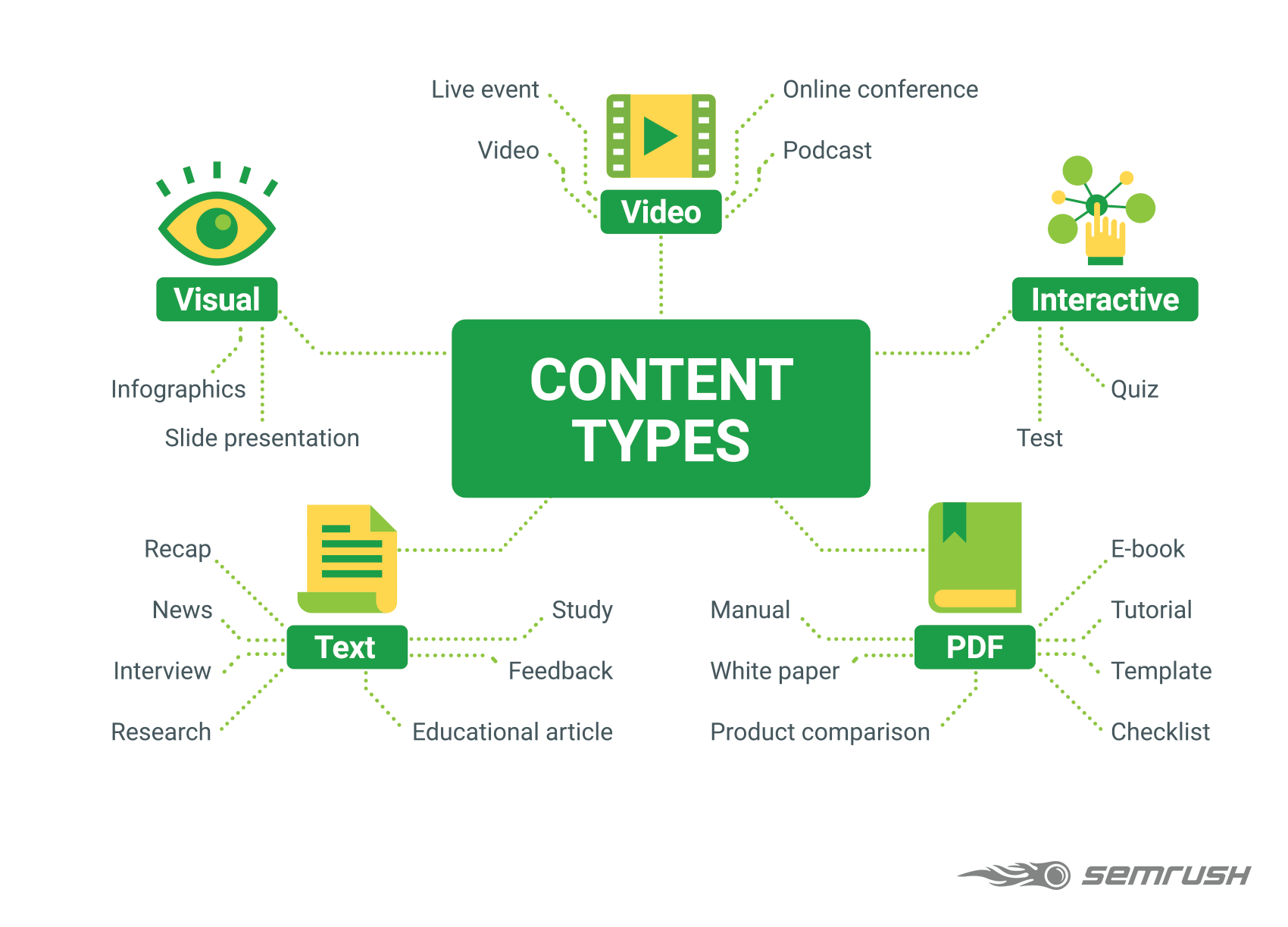
The most common forms of content a content writer may be asked to create are:
Blogging: Blogs are a central part of a strong content marketing strategy. They can convey ideas about products and your brand while highlighting your thought leadership. Blogs can also be useful for SEO purposes, building organic traffic, and raising brand awareness.
Website copy: Home pages, service pages, about pages, and landing pages explain what a business does and why a visitor should choose it.
Email: Writing content for emails can help to convert customers, as well as generate better engagement for your business. Email marketing also helps to build loyalty and strengthen your opportunities for repeat purchases.
Social media: Social channels require content writers to communicate various ideas and campaigns as effectively as possible.
Product content: Selling products and services requires a unique set of writing skills. You’ll have to balance sales copy with storytelling and SEO strategies.
Brand journalism: PR news releases, customer and brand stories, and internal communications can all require the support and guidance of a content writer.
Whitepapers and eBooks: Content writers can help to produce highly technical and professional content that requires a focus on a specific subject. This helps to strengthen the authority of the brand.
Video scripts: If scripts are required to create videos or even podcasts for a company’s branding purposes, a content writer can assist with this.
How Much Do Content Writers Get Paid?
Content writer pay varies a lot with experience, niche, and whether you are employed or freelance.

Based on job postings, Indeed says content writers in the US earn around $23.77 per hour, with most salaries between about $12.64 and $44.70 per hour. Your exact earnings will depend on your area of specialization and the kind of companies you work with regularly.
Freelance content writers usually charge per word or per piece. Many freelancers start writing on the side and grow their income as they build a portfolio and find regular clients; specialists in technical or high-value niches can charge the most. For how content writing compares with other marketing roles, see our guide to digital marketing salaries.
Should You Become a Content Writer?
Content writing can be a highly engaging and satisfying job role for many people. It’s an exciting career with plenty of opportunities to be creative, work with new people, and develop your skills. However, it also requires significant dedication and hard work.
If you have a way with words and you know how to produce content that speaks to people, a content writing position could be ideal for you.