
Working in the digital marketing industry is a great experience. I’ve been working as a digital marketer for more than 20 years, and in this post, I’ll explain how to become a digital marketing specialist with no prior experience.
Becoming a digital marketing specialist takes effort, but it’s one of the best entry points into the online marketing industry. You don’t need a marketing degree to get started. You need the right skills, a certification that proves you learned them, and a portfolio that proves you can use them.
What Does a Digital Marketing Specialist Do?
A digital marketing specialist plans, runs, and measures online marketing campaigns that promote a company’s products or services across digital channels like search engines, social media, and email.
Unlike an SEO specialist or a content marketing specialist, who focus on a single channel, a digital marketing specialist works across several channels and understands how they fit together. For a broader look at the career, see what a digital marketer does.
The typical job responsibilities include:
- Planning and launching paid campaigns on Google Ads, Meta, and LinkedIn
- Implementing SEO: keyword research, on-page optimization, and monitoring rankings
- Creating or coordinating content: blog posts, ad copy, emails, and social media posts
- Running email marketing campaigns and automations
- Tracking traffic, conversions, and campaign performance with Google Analytics
- Researching competitors, customers, and industry trends
- Reporting results and recommending improvements
A digital marketing specialist is usually a hands-on role. In larger companies, specialists report to a digital marketing manager, who sets the strategy, owns the budget, and leads the digital marketing team. Many specialists move into a manager role after a few years of experience.
Digital Marketing Specialist Skills
The skills employers look for fall into two groups.
Technical skills
- Search engine optimization (SEO)
- Pay-per-click (PPC) advertising on Google Ads and Meta
- Social media marketing
- Content marketing and copywriting
- Email marketing and automation
- Data analysis and reporting with Google Analytics and Looker Studio
Workplace skills
- Communication, both written and in front of clients or managers
- Project management: planning campaigns, setting milestones, and meeting deadlines
- Problem-solving: figuring out why a campaign underperforms and what to test next
- Strategic thinking: connecting marketing activities to business goals
The 10 steps below show you how to build all of them.
10 Steps to Become a Digital Marketing Specialist
These are the 10 steps to follow to become a digital marketing specialist.
- Learn Digital Marketing Essentials
- Learn SEO
- Master PPC Advertising
- Build Social Media Marketing Skills
- Learn Content Marketing
- Learn How Email Marketing Works
- Learn How to Use Data Analysis and Reporting Tools
- Get a Digital Marketing Certification
- Build a Portfolio With Real Projects
- Land Your First Role and Keep Learning
1. Learn Digital Marketing Essentials
The first step to becoming a digital marketing specialist is to learn what digital marketing is and how it works.
Digital marketing is not a single discipline but it’s a term that encapsulates a number of techniques and methods you can use to promote a website or products online.
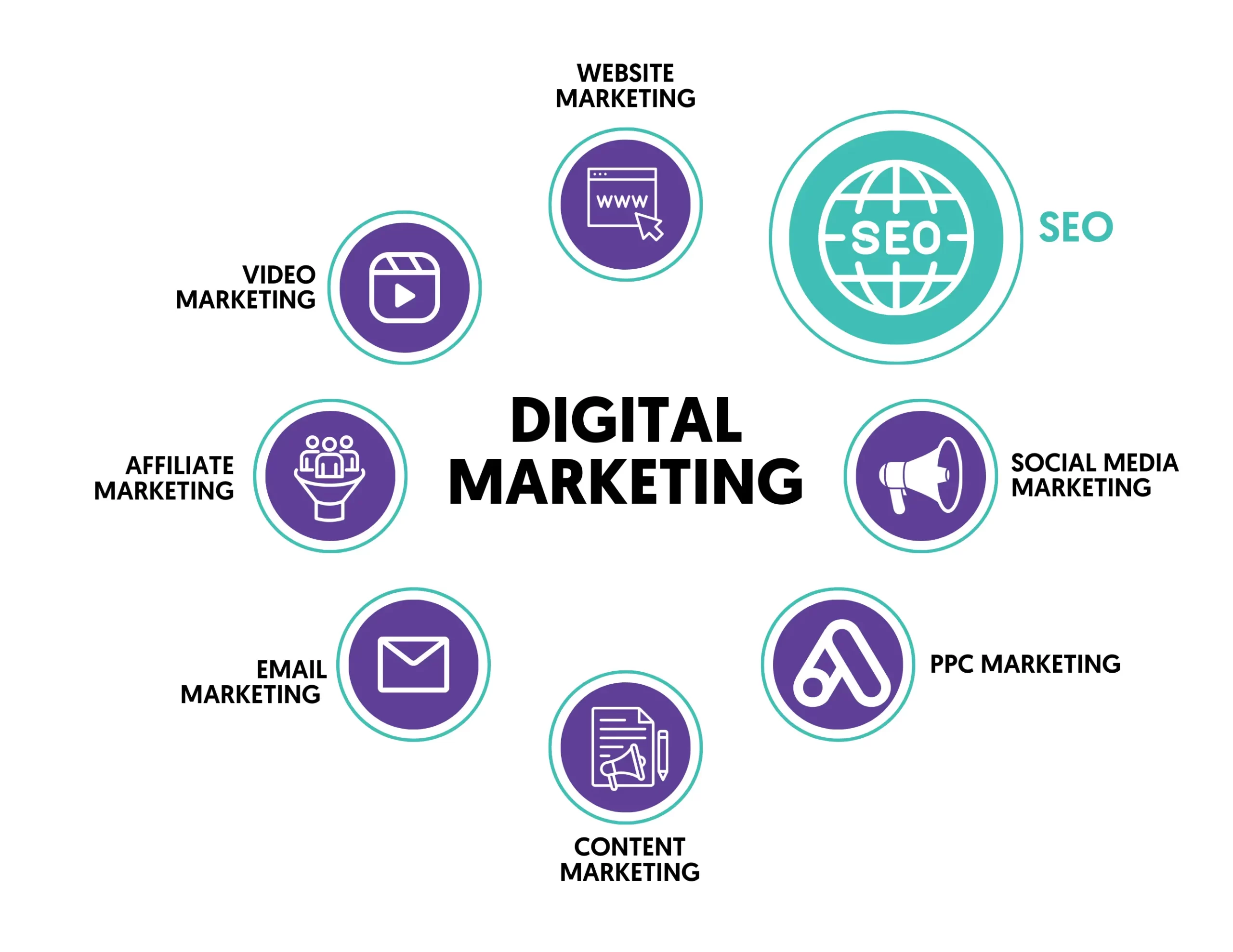
The most important digital marketing channels are:
- Website Marketing
- Search Engine Marketing (includes SEO and PPC advertising)
- Content Marketing
- Social Media Marketing
- Email Marketing
- Affiliate Marketing
- Video Marketing
As a digital marketer, you need to know the role of each channel, what it does, and how to use it.
Use the learning resources below to get started in digital marketing.
LEARNING RESOURCES
- Digital Marketing Full Course - 21 courses covering everything you need to know about digital marketing, from SEO to social media and AI.
- Best Digital Marketing Courses – The 10 best courses to learn digital marketing and become an expert.
- How to Learn Digital Marketing – A step-by-step guide on how to start learning digital marketing (for free).
2. Learn SEO
Once you get a general idea of what we mean by digital marketing, the next step is to learn SEO. You don’t have to become an SEO expert, but you need enough hands-on experience to optimize a website and understand the reports.
SEO has a critical role to play in the success of a digital marketing campaign, which is why it’s important to learn how to optimize a website for search engines.
Building your SEO skills will also make it easier to work with other online marketing techniques, because keyword research feeds your content, your ads, and your landing pages.
LEARNING RESOURCES
- SEO Certifications and Courses – The fastest way to learn SEO is to follow a course and get certified, and these are the best courses available online.
- How to Pursue a Career in SEO – Explains the job responsibilities of an SEO, and includes resources on how to get a job as an SEO.
- The Complete SEO Course - a step-by-step course to help you become an SEO professional.
3. Master PPC Advertising
A considerable amount of your time and budget will be allocated to managing PPC campaigns, mostly on Google Ads and Meta (Facebook and Instagram).
As a digital marketing specialist, you need to know about the different types of campaigns you can run and how to correctly measure and analyze the results.
Many companies run only paid campaigns, especially when they need results fast, so PPC is often the skill that gets a specialist hired.
LEARNING RESOURCES
- Best Google Ads Courses – Best courses to learn PPC marketing and get certified.
- How to Become a PPC Expert - The steps to take to become an expert in PPC advertising.
4. Build Social Media Marketing Skills
Besides running paid ads on Meta, you also need to learn how organic marketing works on other networks.
Depending on the business you promote, you may have to work with Instagram, TikTok, LinkedIn, X, Pinterest, or YouTube, so it’s important to understand how each platform reaches its audience.
LEARNING RESOURCES
- Social Media Marketing Courses - a list of the best courses to learn social media marketing fast.
- How to Learn Social Media Marketing - a beginner’s guide to learning social media marketing step by step.
5. Learn Content Marketing
To power all your digital marketing campaigns, you need content that has the following characteristics:
- Satisfies the user intent
- Interesting for users to read
- Optimized for each platform (search engines, social media, email)
- Generates rankings, leads, and conversions
Content can be in the form of text, video, or audio and can be in different formats like articles, YouTube videos, landing pages, podcasts, etc.
As a digital marketing specialist, you’ll often write some of this content yourself, such as ad copy, emails, and social media posts. You also need to know how to plan what type of content to produce and how to measure the performance of each content type.
This is what content marketing is all about.
LEARNING RESOURCES
- Content Marketing Courses - a list of high-quality courses to master content marketing and get certified.
- How to Get Into Content Marketing – advice on how to start a career in content marketing with no experience.
6. Learn How Email Marketing Works
Email is still one of the most popular selling tools. Despite the rise of social media networks, marketers use email marketing to finalize a sale, get more leads, and engage with their customers.
Email marketing is usually the last step of a marketing sales funnel. All other digital marketing campaigns (SEO, PPC, content marketing, social media marketing) generate leads for email marketing, and email marketing does the selling (or any other form of conversion) through a series of targeted emails.
Many teams don’t have a dedicated email marketer, so running email campaigns and automations is often part of the digital marketing specialist’s job.
LEARNING RESOURCES
- Email Marketing Courses - the 10 best courses to understand how email marketing works.
7. Learn How to Use Data Analysis and Reporting Tools
Besides monitoring and optimizing digital marketing campaigns, part of the daily tasks of a digital marketing specialist is to analyze data and prepare reports.
Whether you report to a manager or to a client directly, you need to know how to use several digital marketing tools.
The must-know tools are:
- Google Analytics
- Looker Studio (formerly Google Data Studio)
- Google Search Console
- Meta Ads Manager reporting
- Semrush or similar (Ahrefs, Moz, HubSpot, etc.)
LEARNING RESOURCES
- Google Analytics Courses – The best courses to learn Google Analytics and get certified.
- Google Search Console – a step-by-step guide to adding your website to Search Console.
8. Get a Digital Marketing Certification
One of the fastest and most efficient ways to become a digital marketing specialist is to follow a comprehensive digital marketing course.
A digital marketing course will teach you everything you need to know without having to read separate guides or look for additional resources.
Getting a digital marketing certification from a reliable company is a great way to show employers that you know digital marketing. These are the certifications worth considering:
- Google Digital Marketing & E-commerce Certificate – an 8-course, entry-level program from Google, offered through Coursera.
- HubSpot Digital Marketing Certification – a free course with 10 lessons, 30 videos, and 8 quizzes.
- Meta certifications – for Facebook and Instagram advertising and social media marketing.
- Reliablesoft Digital Marketing Certificate – included with our Digital Marketing Full Course.
Becoming certified does not prove that you are a good digital marketing professional, but it does show that you have the necessary knowledge for the job. To prove you can apply that knowledge, you need a portfolio.
9. Build a Portfolio With Real Projects
Employers hiring a digital marketing specialist want evidence that you can get results. A portfolio of real projects is the best way to show it, especially if you don’t have a marketing degree or previous experience.
Here are practical ways to get real projects:
- Market your own website. Start a blog or a small online store, optimize it for search engines, and grow its traffic. This is the easiest project to start and the one you control completely.
- Help a local business. Offer to run the social media accounts, set up Google Analytics, or improve the website of a local business you know.
- Volunteer for a non-profit. Non-profits often need marketing help and are happy to work with beginners.
- Run a small paid campaign. Even a small Google Ads or Meta Ads budget gives you real data to analyze and discuss in interviews.
For every project, write a short case study: the goal, what you did, and the results in numbers (traffic, leads, sales, or cost per conversion). Three solid case studies are more convincing than a long list of courses.
10. Land Your First Role and Keep Learning
With skills, a certification, and a portfolio, you’re ready to apply for your first job. Most people don’t start with the title “digital marketing specialist”. They start in an entry-level role and move up after a year or two.
Good starting points include:
- Digital marketing coordinator or digital marketing associate
- Social media coordinator or content creator
- Marketing assistant in a small company or agency
- Internships
- Freelance projects for small businesses
You can find more options in our list of entry-level digital marketing jobs.
Once you’re in, learning never stops. Google changes its search results and ad platforms continuously, Meta adds and removes features all the time, and AI tools are changing how campaigns are created and optimized. If you enjoy working in a dynamic environment, you’ll never get bored. If you don’t, digital marketing is probably not the right career for you.
The resources below will help you stay informed of the latest trends.
LEARNING RESOURCES
- Search Engine Roundtable – Covers topics related to SEO and digital marketing. A must-follow resource for digital marketing professionals.
- Think with Google – Latest marketing research and digital trends from Google.
How Much Do Digital Marketing Specialists Make?
The average salary of a digital marketing specialist in the United States is $59,013 per year, according to Payscale, with most specialists earning between $45,000 and $78,000. As with many professions, the salary of a digital marketing professional depends a lot on experience, location, and type of job (working in a company or freelancing).
Here is how typical pay grows with experience, based on Payscale data:
| Experience | Typical annual pay (US) |
|---|---|
| Entry level (less than 1 year) | $46,951 |
| Early career (1-4 years) | $56,503 |
| Mid-career (5-9 years) | $65,594 |
| Experienced (10-19 years) | $67,488 |
| Late career (20+ years) | $72,069 |
Staffing firm Robert Half puts the salary range for digital marketing specialists higher, at $58,500 to $82,500 per year.
Digital Marketing Specialist FAQ
Do you need a degree to become a digital marketing specialist?
No. Many job listings ask for a bachelor’s degree in marketing, communications, or business, but digital marketing is one of the few fields where employers regularly hire candidates who can prove their skills in other ways. Certifications and a portfolio of real results can stand in for a degree. Read our guide on how to get into digital marketing without a degree for more details.
Can you become a digital marketing specialist with no experience?
Yes, but not directly. With no experience, start by learning the fundamentals, getting certified, and building a portfolio with your own projects or volunteer work. Then apply for entry-level roles like digital marketing coordinator or associate, and move up to a specialist role after a year or two.
Is AI replacing digital marketing specialists?
No, but it’s changing the job. AI tools now draft ad copy, suggest keywords, automate bidding in Google Ads, and summarize reports. That makes specialists faster, not unnecessary. Someone still has to set goals, choose the right channels, judge the quality of what AI produces, and explain the results. Specialists who learn to use AI tools well have an advantage over those who don’t.
What is the difference between a digital marketing specialist and a digital marketing manager?
A digital marketing specialist is a hands-on role: running campaigns, creating content, and analyzing results. A digital marketing manager sets the strategy, manages the budget, and leads a team of specialists. Most managers start as specialists.
Key Learnings
If you want to become a digital marketing specialist, keep these things in mind:
- You need to learn how each digital marketing channel works and how the channels fit together.
- A certification shows you have the knowledge, and a portfolio shows you can get results. You need both.
- Digital marketing is a dynamic industry, and continuous learning is part of the daily routine of a digital marketing professional.
- Salary and compensation depend a lot on years of experience and results.
You don’t need a formal university degree. If you are willing to learn and put in the required effort, nothing is stopping you from starting a career in digital marketing.