

Off-page SEO is everything you do outside your own website to build its authority, trust and visibility: earning links, digital PR, brand mentions, reviews and local citations. In this post, you'll learn why it still matters, how it differs from on-page SEO, and the 10 techniques that work best.
What Is Off-Page SEO?
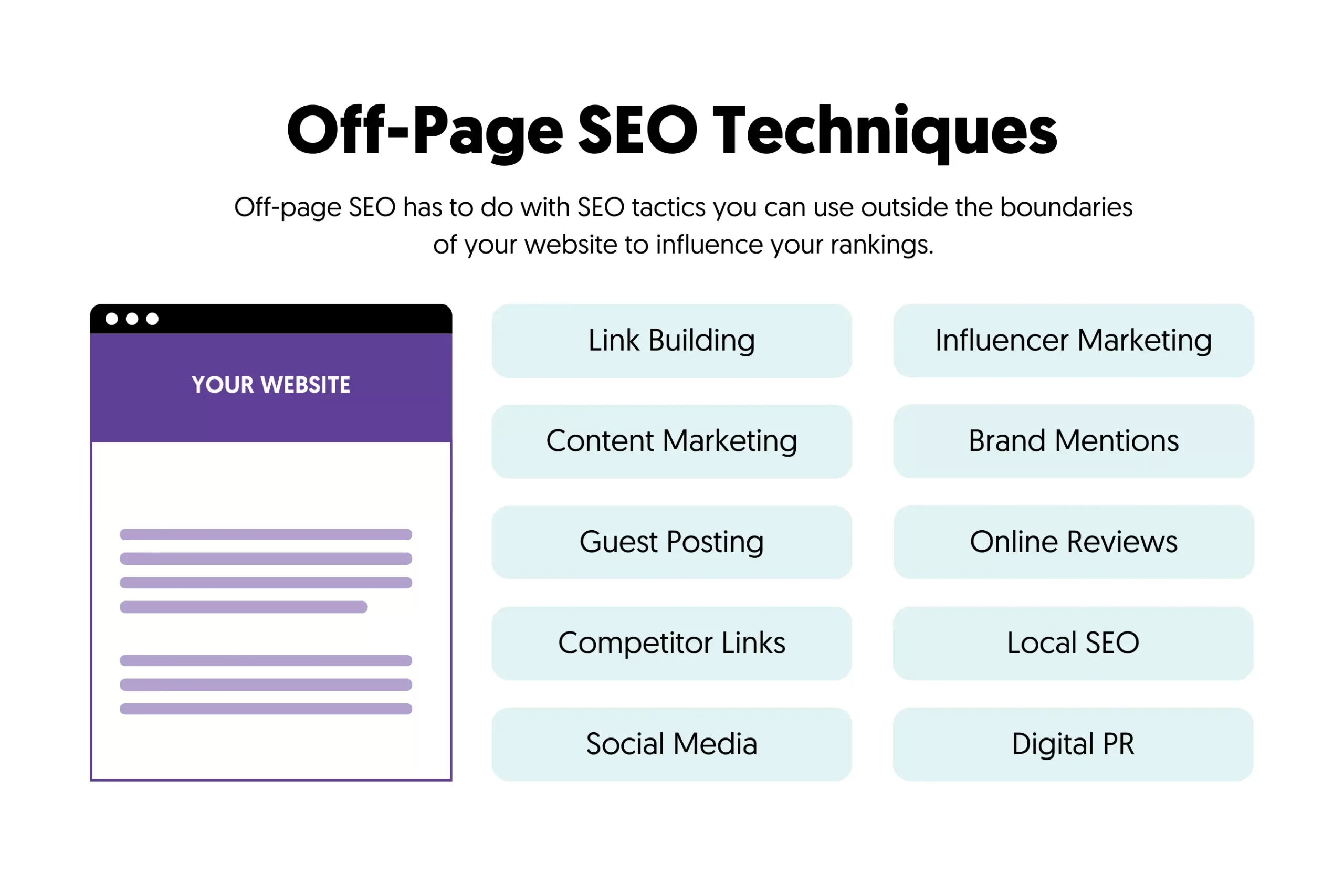
Off-page SEO refers to techniques you can use to improve the ranking of a website on the search engine results pages (SERPs). It involves SEO tactics beyond website content like link building, social media marketing, brand mentions, and online reviews.
The goal of off-page SEO is to increase the trustworthiness and authoritativeness of a website and achieve higher rankings.
Why Is Off-Page SEO Important?
Off-page SEO matters for three reasons:
Authority signals - Search engines treat links and mentions from other websites as votes of confidence. Backlinks were the basis of Google's original ranking algorithm and they are still an important ranking factor.
E-E-A-T - Google wants to rank websites that demonstrate experience, expertise, authoritativeness and trustworthiness on a topic. What other people say about you, through links, reviews and mentions, is one of the clearest ways to show it.
Referral traffic - Links on other websites send visitors directly, whatever they do for rankings. A link from a popular article in your industry can bring customers for years.
You may see SEO tools report a "domain authority" score. That is a third-party metric that estimates link strength; Google does not use it, but the thing it measures, the quality of the sites linking to you, does matter.
Off-Page SEO Vs. On-Page SEO
On-Page SEO refers to settings you can change on your website so that it is optimized for search engines. Off-page SEO has to do with techniques you can use outside the boundaries of your website to influence your rankings.
On-page SEO has to do with activities you can fully control, like creating high-quality content and optimizing your title tags and alt text, but with off-page SEO, you have limited control, and it’s sometimes out of your reach.
For example, it’s easy to ensure that the quality of your content is good, but you cannot force someone to link to your website unless they want to.
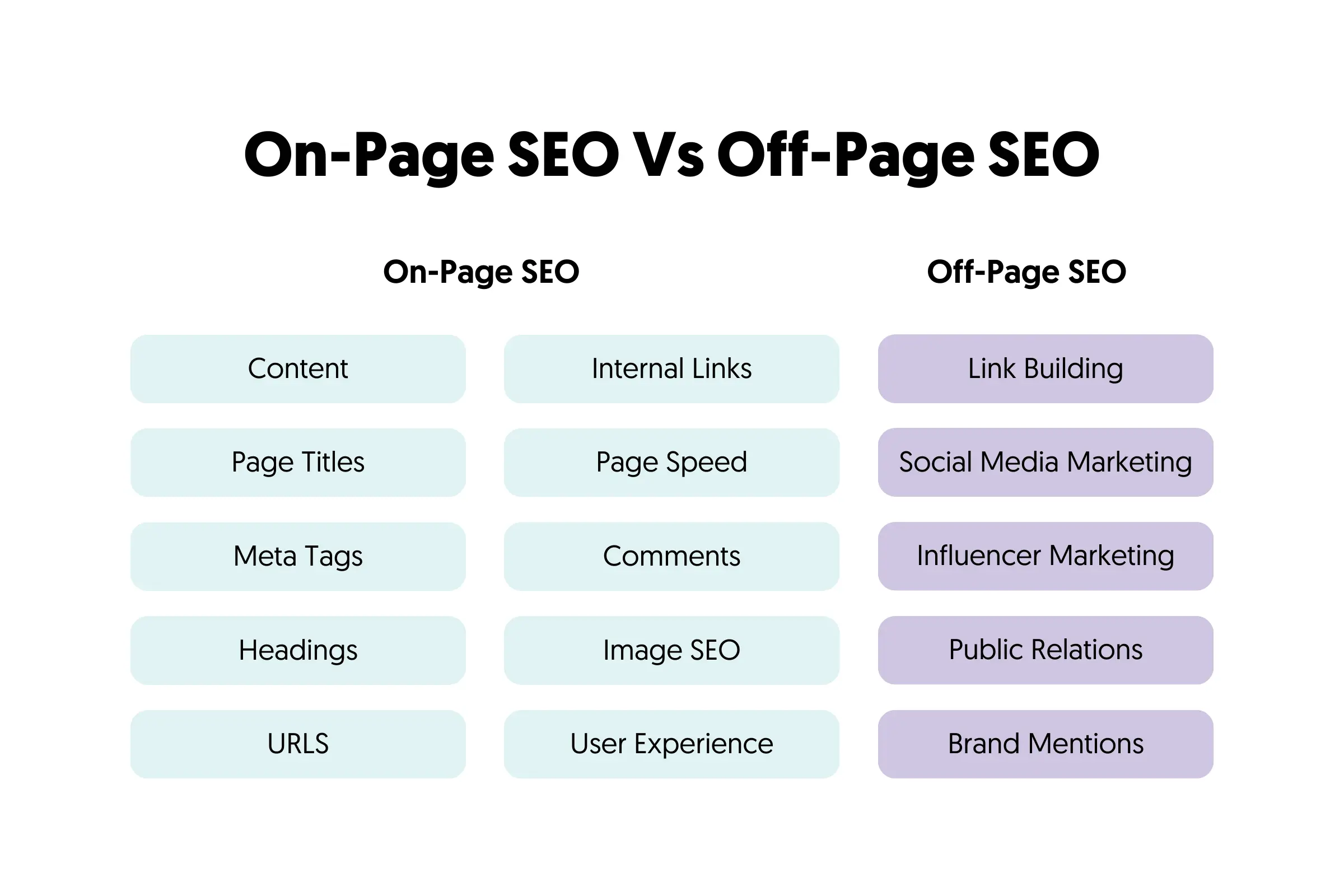
The two work together: on-page SEO makes a page worth ranking, and off-page SEO gives search engines the evidence that others trust it.
10 Best Off-Page SEO Techniques
The most important off-page SEO techniques are:
- Link Building
- Content Marketing
- Guest Posting
- Competitor Link Building
- Social Media Marketing
- Influencer Marketing
- Brand Mentions
- Online Reviews
- Local SEO
- Digital PR
1. Link Building
Link building is the most popular and effective off-page SEO technique. The goal of link building is to get backlinks from other high-authority and related websites.
A backlink is generated when a website links to another website. Backlinks formed the basis of the initial Google ranking algorithm, and they are still an important Google ranking factor.
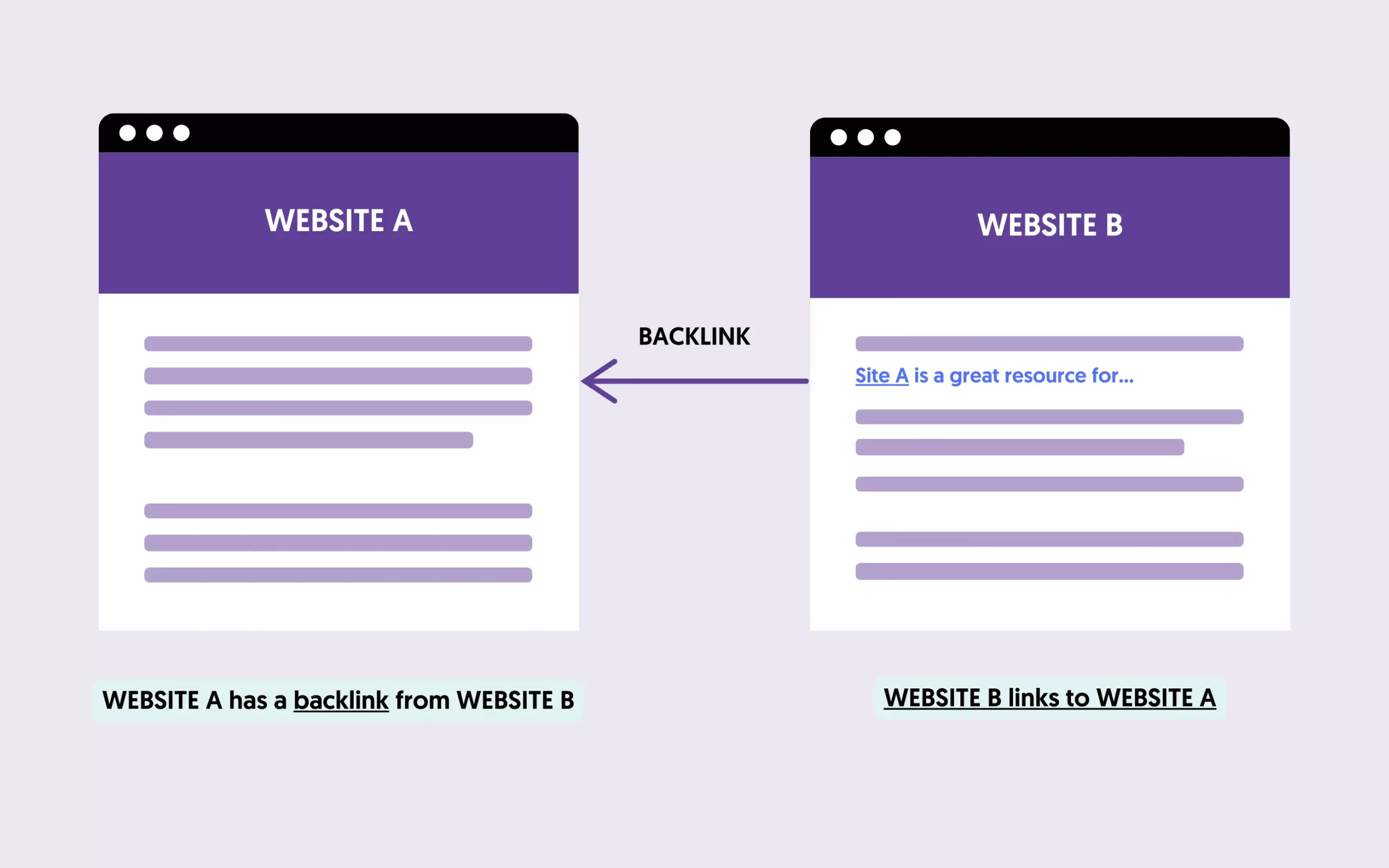
For example, if this page is linked to from other websites, it's like telling search engines that this page has good information. During the ranking process, algorithms will consider that when deciding which pages to show on top of the results for the term ‘Off-Page SEO’.
Link building is a tricky process and, if done incorrectly, can generate the opposite results and even hurt your rankings.
To avoid getting into trouble and actually make a difference in your rankings, when building links for your website, make sure that they have the following characteristics:
Links from trusted websites - One of the basic concepts you need to understand about link building is that it’s not only a matter of quantity but also a matter of quality. In other words, it's not how many links point to your website but from where these links are coming.
For example, a link from a normal blog does not have the same 'value' as a link from the New York Times, which has high authority and Google trust.
Links from related websites - For a link to have value, it has to be given by a related website. For example, if you blog about SEO and you get a link from a fashion blog, that does not have any value and might even be considered spam by search engines.
Links with relevant anchor text - Anchor text is the text description of a link. It gives a big hint to search engines on what the target page is about. Good links should have relevant anchor text. For example, a link that points to this post with the text "What is off-page SEO" is more important than a link with the anchor "Click Here".
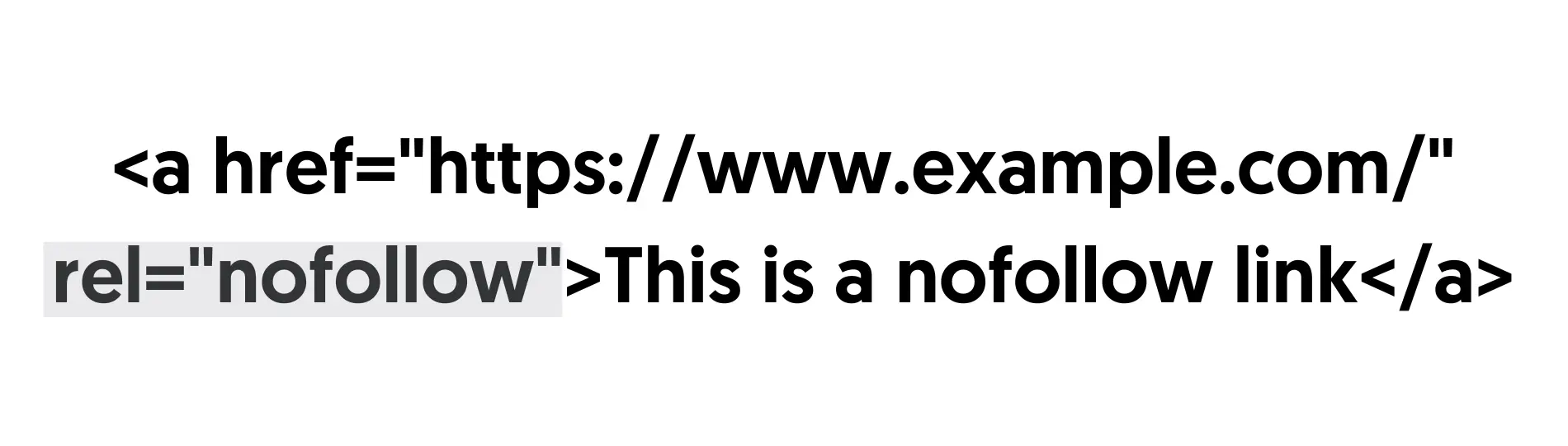
Dofollow links - A normal dofollow link can pass authority to your site. Links marked "nofollow", sponsored or ugc ask search engines not to. Google treats those values as hints, so such links usually pass little or no ranking value, although they can still send visitors and build awareness.
Pro Tip: Read our guide, Who Links to My Site, to find out how many backlinks are pointing to your website.
2. Content Marketing
Content marketing is a great off-page SEO tactic. By publishing link-worthy content, you can earn backlinks naturally and build your site's authority.
Examples of link-worthy content are:
- Case studies
- Statistics
- Original research
- Different opinions about a topic
- Visual content (graphs, infographics, diagrams)
- High-quality long-form posts
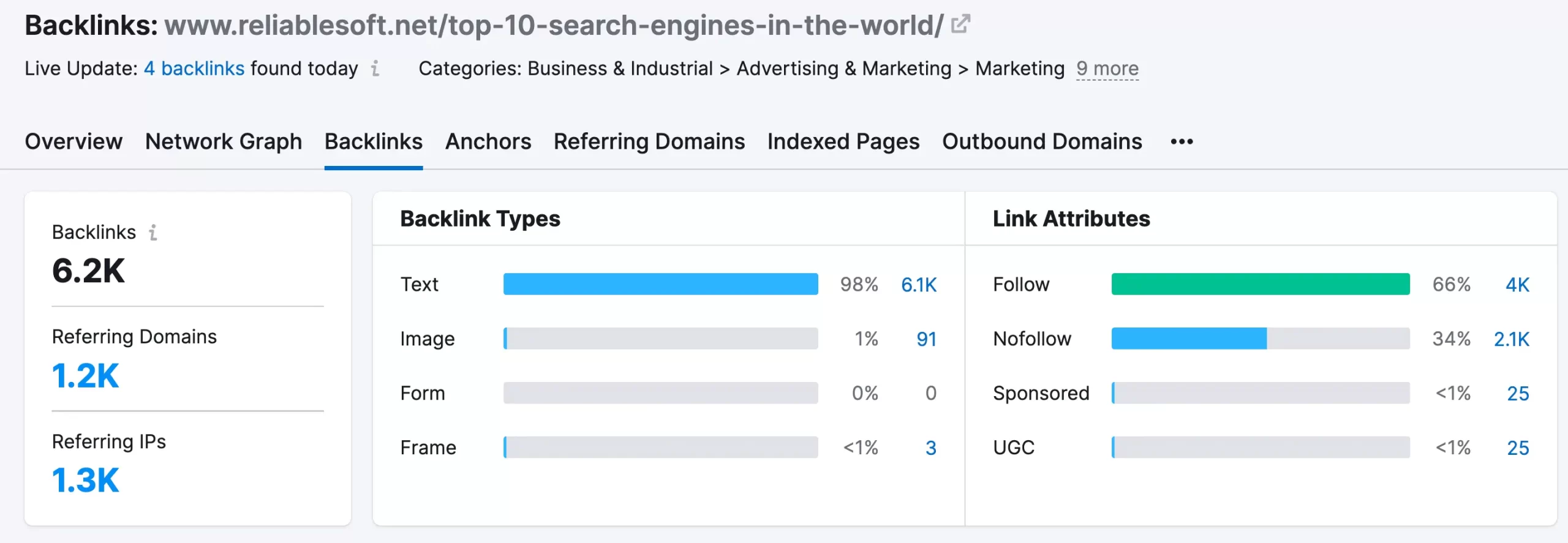
For example, our post on the top search engines has received thousands of links, including mentions from Wikipedia, Forbes, and other giant publications.
Pro Link Building Technique: Link to other websites from your content and email them to let them know about it. Webmasters will be happy to receive the link and return the favor.
This is different than a link exchange (which is against Google guidelines) because it’s up to them to return the link, and it’s not part of a deal or a paid agreement.
For more information, read our guide on link-building techniques.
3. Guest Posting
Guest posting is a popular method of getting links to your website. The idea is simple:
- You find websites that accept posts from guest authors
- You pitch them with your ideas
- You get the posts published with a link pointing to your website
The problem is that webmasters have over-abused this method over the years, and Google added rules to their algorithms to detect and de-value guest posting links.
They don’t completely ignore them, and they still have value if they are coming from trusted websites that also have a lot of content on their own and not just guest posts.
In other words, if a website is only publishing posts from guest authors, then it is likely that a link will not have any value or positive effect on your rankings.
Google's spam policies also list "links with optimized anchor text in articles, guest posts, or press releases distributed on other sites" as link spam. Write guest posts to reach a new audience, and keep any link natural.
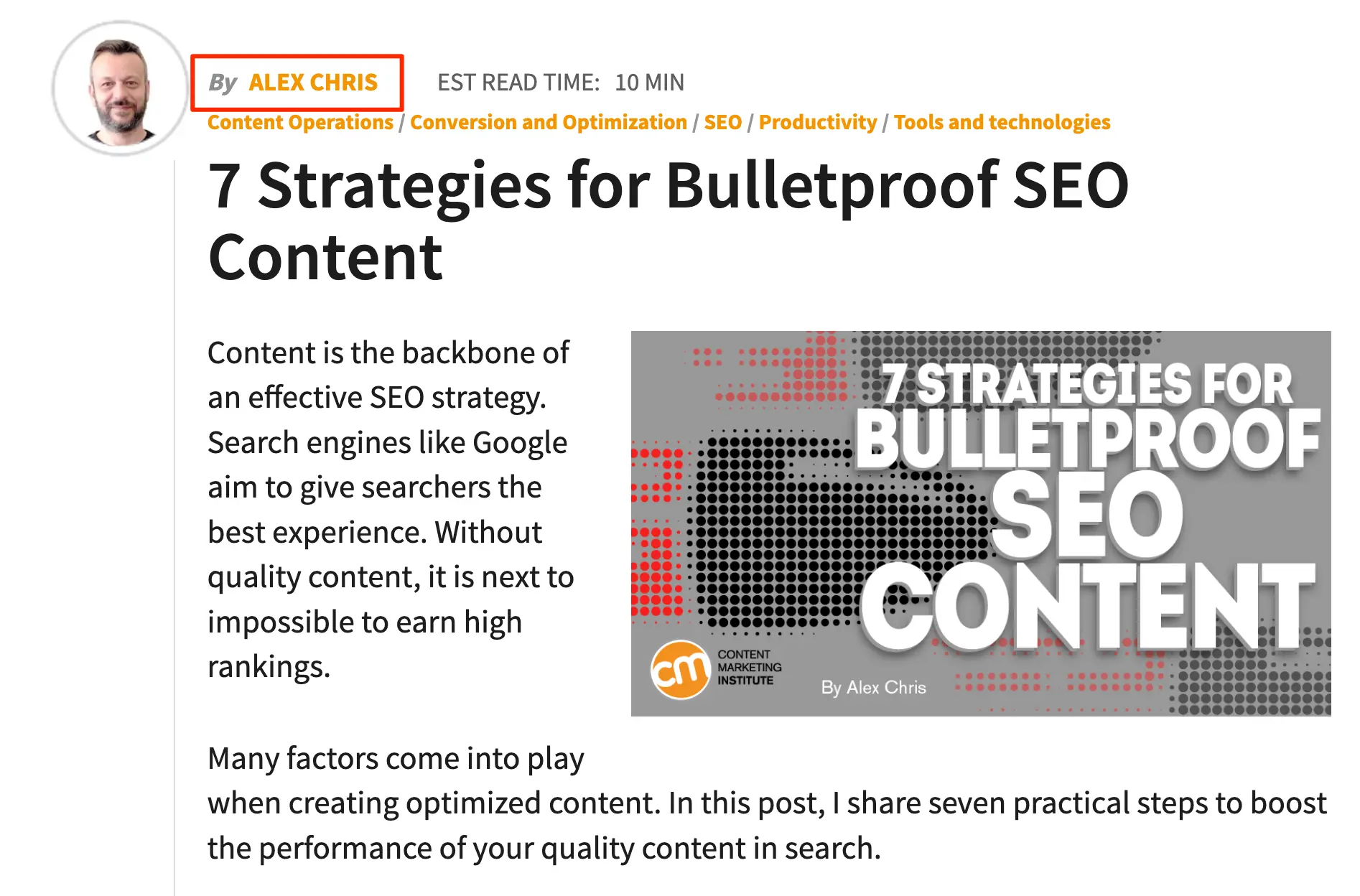
But a link from a website that has good rankings and good content generated from their own authors and guest contributions can positively impact your rankings.
4. Competitor Link Building
One of the widely used off-site SEO techniques is competitor link building. By analyzing your competitor's link profile, you can find ideas on where you can get links.
To perform the analysis, you'll need the help of link-building tools like Ahrefs or Semrush.
When doing your backlink analysis, you'll want to find out:
- Total number of backlinks
- How many unique domains are linking to them?
- Their anchor text distribution
Here is an example of how to find your competitor’s backlinks with Semrush.
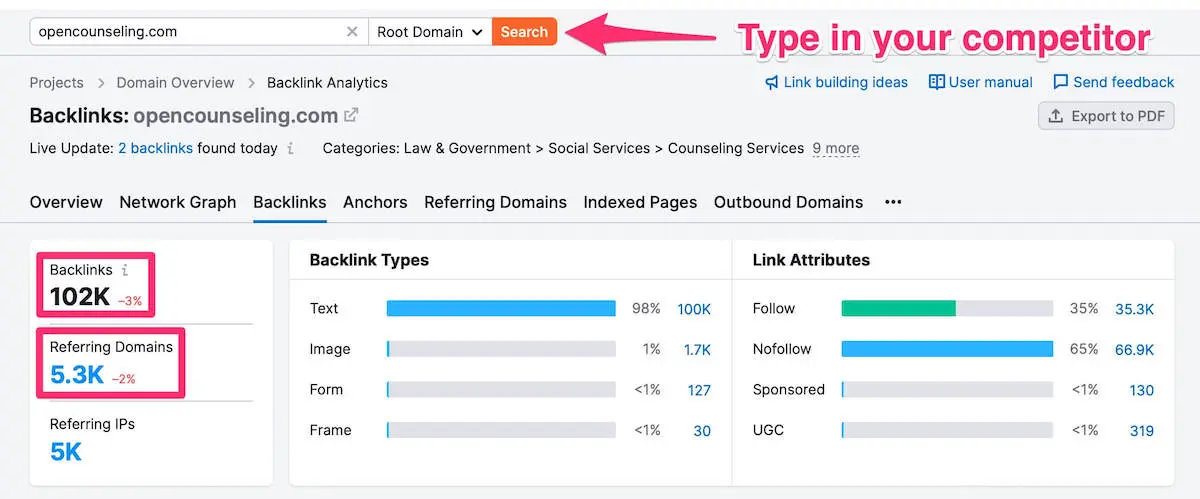
You can see high-level information regarding your competitor’s backlinks, but you can click through further to see things like:
- Who exactly is linking to them?
- Whether a link has special tags (nofollow, sponsored, etc.)
- The anchor text distribution
- The links authority score - a grade that estimates the quality of the backlink (100 best, 0 worst)
5. Social Media Marketing
Social media marketing is part of ‘off-site SEO’ because it's a form of link building and brand awareness, but it's not a Google ranking factor.
A few things to know about social media marketing and off-page SEO:
- Google officially states that social signals (likes, comments, and shares) do not directly impact rankings.
- Links from social media sites are almost always "nofollow", so they pass little or no ranking value on their own.
- If a post goes viral on social media, it has more chances of getting natural links from other websites.
One realistic way to use social media for off-page SEO is to run paid campaigns promoting your link-worthy content, targeting people likelier to link to your post.
For example, if you publish a new case study, you can run a LinkedIn campaign targeting journalists in the same industry.
6. Influencer Marketing
Influencer marketing has become one of the most effective ways to connect with a broader audience by leveraging the existing reputation of influencers. It can help you build credibility and earn users' trust, which are vital off-page SEO factors.
The way it works is the following:
- Identify an audience you want to target with an influencer campaign.
- Choosing which social media platforms to use.
- Find and hire influencers who can represent your brand.
The off-page SEO benefits from influencer marketing include brand mentions, social proof, and credibility.
7. Brand Mentions
Google loves brands and prefers to rank branded websites on top of the results. The reason is the same as explained above about Expertise, Authority, and Trustworthiness. Brands are more reliable and likely to be trusted by users, which translates to a better user experience and happier Google users.
The difference between brand mentions, link building, and social media marketing is that brand mentions do not necessarily have a link pointing to your website. It can be mentions of your brand in forums, articles, reviews, or social media networks.
Google crawlers can 'pick up' these signals and evaluate them accordingly to create a more accurate picture of how other people perceive your brand.
As part of your off-page SEO strategy, you should pursue any mentions of your website, products, or authors. If a brand mention is linked, that’s even better, but even if it’s not, it still has some value.
8. Online Reviews
Positive online reviews, whether for your business, website, services, or product reviews, have a role to play in your rankings. Reviews are the most effective off-page SEO technique for local businesses.
The majority of reviews will have the 'nofollow' tag attached, but if they are coming from trusted websites (like Google Business, Yelp, Trustpilot, etc), they can positively impact your local rankings. Google trusts these reviews and uses them as a ranking signal.
So, if you sell products or services, claim your business profile on all major review websites and ask your customers to publish reviews.
Adding reviews to your off-page SEO strategy will help you gain more exposure on search engines and build trust with your users.
9. Local SEO
Besides online reviews, another way to boost your local rankings is by claiming your Google Business Profile (GBP).
A Google Business Profile is a free tool that allows you to list your business on Google. GBP appears in various places, including Google Search and Google Maps.
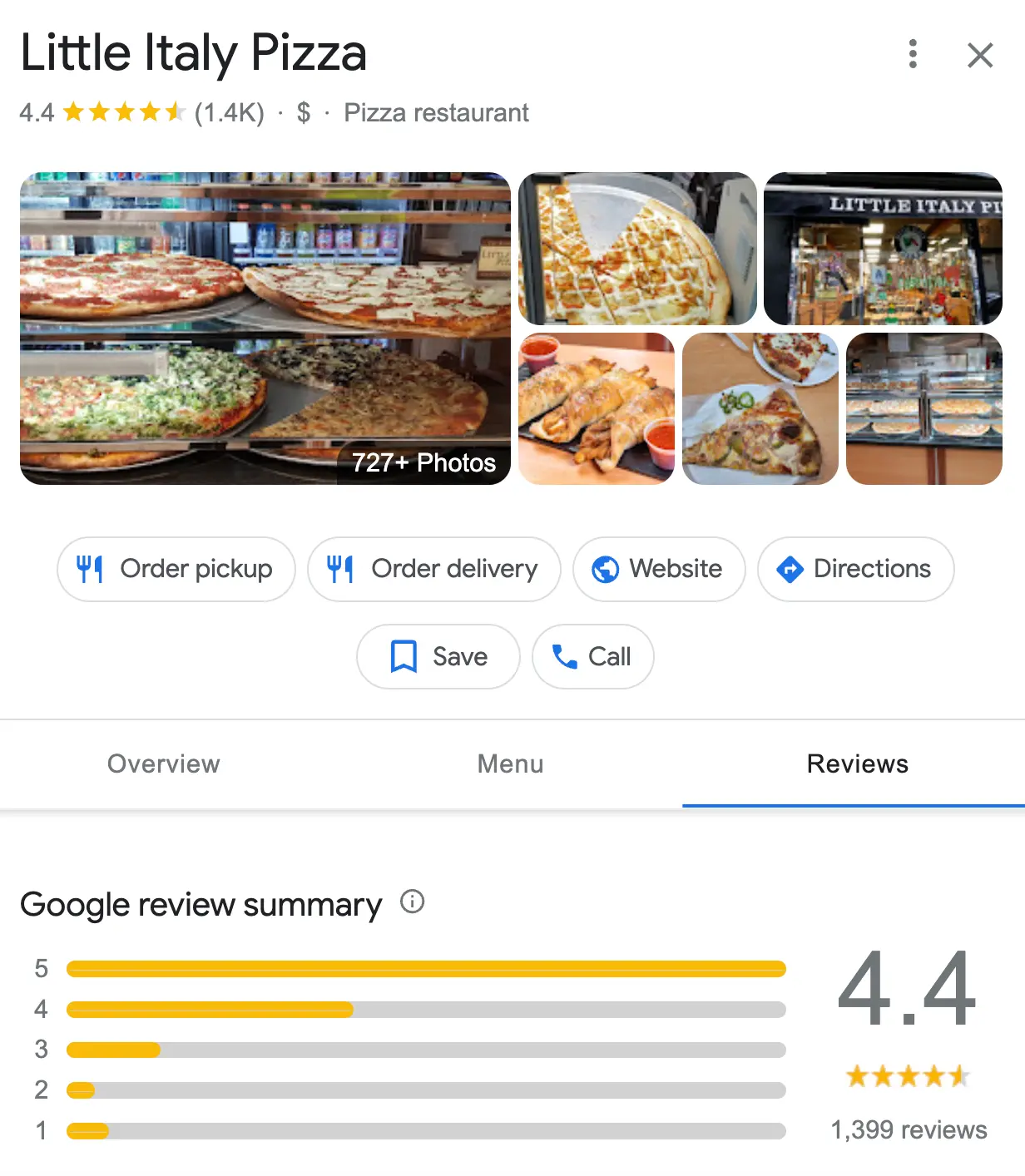
Optimizing your Google listing is a top local SEO factor and an excellent off-page SEO signal, especially if you want to rank in Google for location-aware searches.
To take advantage of GBP, go to google.com/business and create an account for your business.
Optimizing your profile by:
- Giving specific details about your business (including the right category)
- Provide all relevant info (working hours, address, telephone, service area, etc.)
- Add your products/services
- Add many high-quality images
Once you set this up, encourage your customers to leave reviews and reply to them.
Local citations - Citations are listings of your business name, address and phone number (NAP) on directories such as Yelp, Apple Maps, Bing Places and industry directories. Keep the details identical everywhere, because inconsistent listings confuse both search engines and customers.
Local or national? If your customers are in one area, put most of your off-page effort into your Google Business Profile, reviews, citations and links from local websites. If you sell nationally or globally, focus on link building, digital PR and brand mentions in your industry. Read our guide to local SEO for the full process.
10. Digital PR
Digital PR is an effective way to get backlinks and increase brand awareness in the same off-page SEO campaign. It's similar to social media and influencer marketing but more focused on media outreach.
A great PR campaign can generate the following off-page SEO signals to algorithms:
- Increase in branded searches.
- Put your website in front of people likely to mention it from their online assets.
- Social engagement and increased sales.
Is Off-Page SEO Still Relevant?
Yes. Links and mentions from other websites are still among the strongest signals Google uses, and off-page SEO has become more important with AI search, not less.
AI Overviews and assistants like ChatGPT build their answers from sources that are widely referenced and trusted. A brand that is mentioned often on respected websites, in reviews and in industry discussions is more likely to be named in those answers. The same work that earns links, such as digital PR, original research and a good reputation, also makes your brand easier for AI tools to recommend.
What has changed is which tactics work. Buying links, link exchanges and low-quality guest posts are riskier than ever, while earning genuine mentions and links is still the most reliable way to build authority.
Learn More About Off-Page SEO
Use the following resources to learn more about off page SEO and SEO.
- The Complete SEO Course (includes a dedicated lesson on Off-Page SEO)
- SEO Certification Courses (online courses to teach yourself off-page SEO)
- How to Learn SEO (includes a learning plan to learn the secrets of SEO).
- What Is Technical SEO (Best Practices)